Pappardelle: A Wide and Velvety Tapestry of Italian Pasta
Pappardelle, with its broad and silky ribbons, is a pasta variety that exudes elegance and indulgence. Originating from the heart of Italy, this wide and flat pasta has been a beloved staple in Italian cuisine for centuries. In this article, we will explore the rich history of pappardelle, its unique features, cooking techniques, and its role in creating sumptuous dishes that delight both the eyes and the palate.
Origins and History
Pappardelle finds its roots in the Tuscan and Emilia-Romagna regions of Italy, known for their rich culinary heritage. The word “pappardelle” is derived from the Tuscan verb “pappare,” which means “to gobble up.” This name perfectly captures the essence of this pasta, as it is often enjoyed with hearty and flavourful sauces that cling to its broad surface.
Features and Texture
What sets pappardelle apart is its width, typically ranging from 1 to 2 inches. This wide surface area allows the pasta to capture and hold onto rich and robust sauces, creating a harmonious marriage of flavours. Pappardelle is made from durum wheat semolina, giving it a firm yet tender texture when cooked al dente. The velvety smoothness of the pasta adds a luxurious touch to any dish it graces.
Cooking Techniques and Pairings
Pappardelle’s versatility makes it a perfect canvas for a wide range of ingredients and sauces. Here are a few popular cooking techniques and pairings for pappardelle:
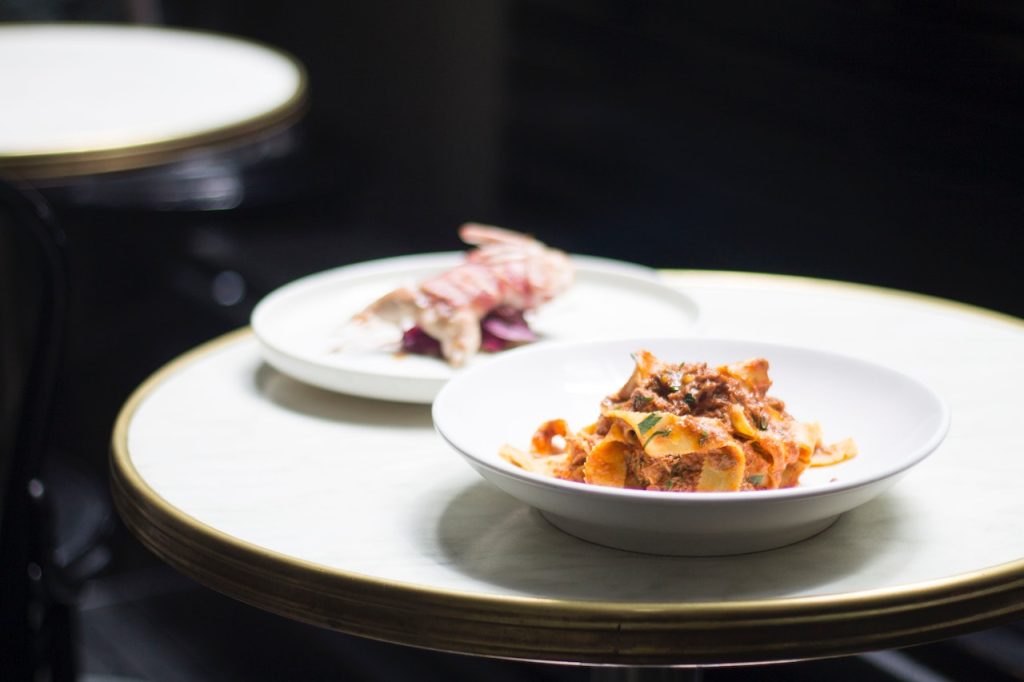
1. Ragu: Pappardelle and ragu are a match made in culinary heaven. The wide ribbons of pasta beautifully intertwine with rich and meaty sauces, such as a classic Bolognese or a hearty wild boar ragu. The sauce clings to the pasta, creating a comforting and satisfying dish.
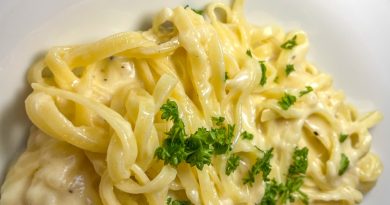
2. Creamy Delights: Pappardelle’s broad surface area also pairs well with creamy sauces. A luscious mushroom cream sauce or a velvety Alfredo sauce can coat the pasta, enveloping each ribbon in a luxurious and indulgent embrace.
3. Seafood Sensations: Pappardelle can be paired with delicate seafood, such as shrimp, scallops, or lobster. A light lemon and white wine sauce or a fragrant tomato-based sauce complements the seafood, while the wide pasta ribbons add a touch of elegance to the dish.
4. Vegetarian Options: Pappardelle can be a delightful choice for vegetarian dishes as well. Pair it with roasted vegetables, such as eggplant, zucchini, or bell peppers, and toss with a garlic-infused olive oil or a light herb sauce for a flavourful and satisfying meal.
Interesting Fact:
Pappardelle is often hand-cut by skilled pasta makers, resulting in irregular widths and lengths. This artisanal touch adds to the charm and authenticity of the pasta.
In conclusion, pappardelle is a wide and velvety tapestry that adds a touch of indulgence to Italian cuisine. With its origins in the Tuscan and Emilia-Romagna regions, this pasta variety offers a versatile canvas for a variety of sauces and ingredients. Whether paired with rich meaty ragus, creamy delights, delicate seafood, or vibrant vegetables, pappardelle entices with its broad ribbons and silky texture. So, the next time you seek a taste of Italian sophistication, let pappardelle transport you to a world of indulgence and culinary delight, one wide ribbon at a time.