Japanese Short Grain Rice: The Pillowy Staple of Japanese Cuisine
Japanese short grain rice, also known as “Japonica rice” or “sushi rice,” is a fundamental component of Japanese cuisine. With its distinct characteristics and central role in traditional Japanese meals, this versatile grain has become a symbol of culinary excellence. In this article, we will explore the origins and cultivation of Japanese short grain rice, its unique features, cooking techniques, and its significance in Japanese culinary traditions.
Origins and Cultivation
Japanese short grain rice has been cultivated in Japan for thousands of years. It is a variety of Japonica rice, which is characterized by its short, plump grains and a higher starch content compared to other rice varieties. The temperate climate, fertile soil, and meticulous farming practices in Japan contribute to the exceptional quality of this rice.
Features and Texture
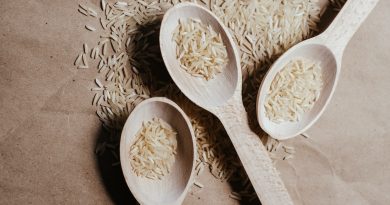
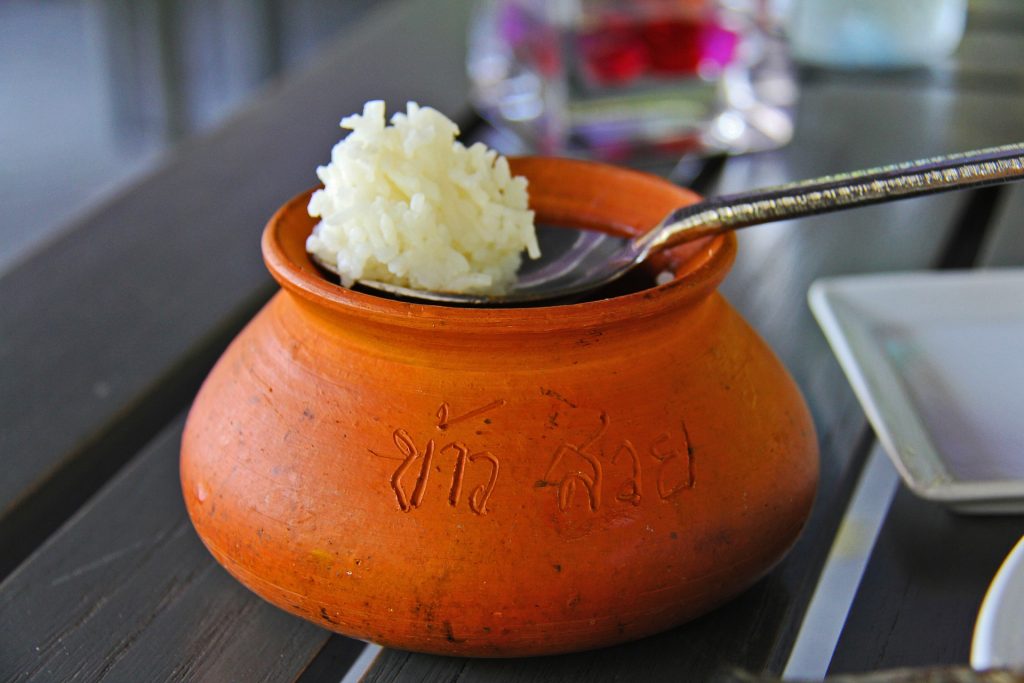
Japanese short grain rice stands out for its unique characteristics. The grains are short and round, with a higher moisture content and a stickier texture when cooked. This stickiness is a desirable quality in Japanese cuisine, as it allows the rice to be easily formed into sushi rolls or enjoyed with chopsticks. The tender and slightly chewy texture of the cooked rice adds a delightful mouthfeel to every bite.
Cooking Techniques and Significance
Cooking Japanese short grain rice requires precision and attention to detail. Here are a few essential techniques and its significance in Japanese culinary traditions:
1. Washing and Soaking: Before cooking, Japanese short grain rice is typically rinsed under cold water to remove excess starch. This step ensures that the cooked rice grains remain separate and fluffy. Additionally, soaking the rice for a short period of time before cooking helps to achieve an optimal texture.
2. Cooking Methods: Japanese short grain rice is traditionally cooked in a heavy-bottomed pot or a rice cooker. The ratio of water to rice is crucial to achieve the desired texture. The rice is simmered over low heat to allow the grains to absorb the water slowly and evenly, resulting in perfectly cooked rice with a tender yet slightly sticky consistency.
3. Staple in Japanese Cuisine: Japanese short grain rice is the foundation of many Japanese dishes. It is served alongside various main dishes, such as grilled fish, tempura, or simmered vegetables. The sticky texture of the rice also makes it perfect for sushi, onigiri (rice balls), and other traditional Japanese snacks.
Interesting Fact:
In Japan, rice is not just a staple food but also a symbol of cultural heritage and tradition. The cultivation and consumption of rice have played a significant role in shaping Japanese customs, rituals, and social structures throughout history.
In conclusion, Japanese short grain rice is a beloved and essential component of Japanese cuisine. With its unique characteristics, stickiness, and tender texture, this rice variety forms the backbone of traditional Japanese meals. Whether enjoyed as a side dish or used to create sushi and other iconic Japanese dishes, Japanese short grain rice reflects the rich culinary heritage and meticulous attention to detail that define Japanese cuisine. So, the next time you savor a bowl of perfectly cooked Japanese short grain rice, appreciate the centuries of tradition and the cultural significance that this humble grain embodies.