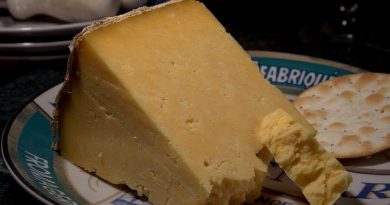
Savouring the Creamy Goodness of Ricotta Cheese: History, Types, and Culinary Inspiration
Ricotta cheese, with its creamy texture and delicate flavour, has been a beloved ingredient in the culinary world for centuries. With a fascinating history, diverse origin, unique features, different types, interesting facts, and a wide range of culinary uses, ricotta cheese holds a special place in the hearts of food enthusiasts.
History and Origin
Ricotta cheese has its roots in Italian cuisine, with a history that can be traced back to ancient times. The word “ricotta” comes from the Italian phrase “ri-cotta,” meaning “recooked.” Traditionally, ricotta cheese was made by heating the whey left over from cheesemaking, allowing the proteins to coagulate and form the cheese. This method of cheese production dates back to Roman times and was a way to utilize leftover ingredients.
Features
What sets ricotta cheese apart is its creamy and slightly grainy texture. It has a mild and slightly sweet flavour, making it a versatile cheese that can be used in both savoury and sweet dishes. Ricotta cheese is typically white in colour and has a soft and spreadable consistency.
Types
Ricotta cheese is available in various forms, including whole milk ricotta, part-skim ricotta, and even lactose-free ricotta for those with dietary restrictions. Each type offers a slightly different texture and flavour profile, allowing for customization in culinary creations.
Interesting Facts:
– Despite being referred to as a cheese, ricotta is technically a cheese byproduct, as it is made from the whey leftover from cheesemaking.
– Ricotta cheese is a staple in Italian desserts, such as cannoli and ricotta cheesecake.
– It is a versatile ingredient and is used in various Italian dishes, including lasagna, stuffed pastas, and even as a topping for pizzas and bruschetta.
Culinary Uses
Ricotta cheese’s versatility makes it a favourite in both savoury and sweet dishes. In savoury applications, it can be used to stuff pasta shells, ravioli, or as a filling for savory pies. It also adds a creamy and rich element to sauces, creating a luscious texture. In sweet recipes, ricotta cheese shines in desserts like cheesecakes, cannoli, and ricotta-filled pastries. It can also be used as a spread on toast or as a topping for pancakes or waffles.
In conclusion, ricotta cheese is a culinary delight that has stood the test of time. Its rich history, creamy texture, and delicate flavour make it a versatile ingredient in a wide range of dishes. Whether used in savoury or sweet creations, ricotta cheese brings a touch of indulgence to any culinary masterpiece. So, why not embrace the versatility of ricotta cheese and let your taste buds savour the creamy goodness it has to offer?