The King of Risotto: Discovering the Magic of Arborio Rice
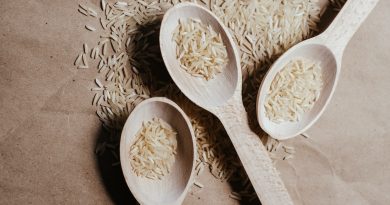
Arborio rice, known for its plump grains and creamy texture, has become a beloved ingredient in kitchens around the world. With its origins deeply rooted in Italian cuisine, this short-grain rice variety has a fascinating history, unique culinary uses, and a range of interesting facts that make it a must-have in any food enthusiast’s pantry. In this article, we will delve into the captivating story of Arborio rice, explore its population, share some fun facts, and provide culinary tips for making the most of this versatile grain.
History and Population
Arborio rice takes its name from the town of Arborio, located in the Po Valley of northern Italy. It was first cultivated in the 1940s by a visionary rice grower named Angelo Morini. Morini, driven by his desire to create a rice variety with exceptional cooking properties, selectively bred different rice strains to develop what we now know as Arborio rice. His efforts paid off, as Arborio rice quickly gained popularity in Italy and eventually spread to other parts of the world.
Today, Arborio rice is primarily cultivated in the Piedmont and Lombardy regions of Italy, where the rich soil and temperate climate provide ideal conditions for its growth. The meticulous cultivation and harvesting techniques employed by local farmers ensure the high quality and distinctive characteristics of Arborio rice.
Fun Facts:
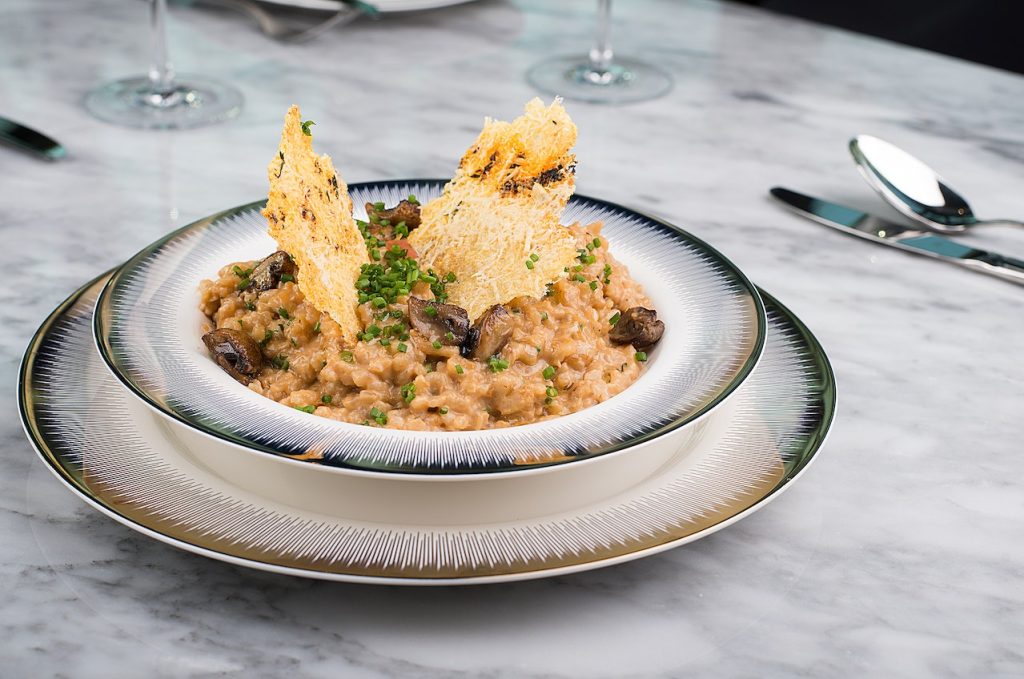
1. Arborio rice is often referred to as the “king of risotto” due to its ability to absorb flavors while maintaining a firm yet creamy texture.
2. The unique starch content of Arborio rice, known as amylopectin, is responsible for its creamy consistency when cooked.
3. Contrary to popular belief, Arborio rice is not exclusively used for risotto. It can also be found in a variety of dishes, including rice puddings, soups, and even sushi fillings.
Culinary Use
Arborio rice is revered for its versatility and ability to elevate a wide range of dishes. Its high starch content and ability to absorb liquids make it perfect for creating rich and creamy risottos. The grains release starch slowly during cooking, resulting in a velvety texture that perfectly complements the flavours of the dish.
Beyond risotto, Arborio rice can be used in rice-based desserts such as creamy rice puddings or as a filling for stuffed vegetables. Its ability to hold its shape while remaining tender makes it an excellent choice for sushi, where it adds a delightful creaminess to the rolls.
Culinary Tips:
1. To achieve the desired creamy texture in risotto, add warm liquid gradually, stirring continuously to release the starches. This slow and steady process ensures a velvety consistency.
2. Arborio rice requires a specific cooking technique to bring out its best qualities. Sauté the rice in butter or oil before adding liquid to enhance its flavour and prevent clumping.
3. Experiment with different ingredients and flavours when making risotto with Arborio rice. From mushrooms and truffles to seafood and vegetables, the possibilities are endless for creating unique and delicious combinations.
In conclusion, Arborio rice is a culinary gem that adds a touch of elegance and creaminess to a variety of dishes. Its rich history, primarily rooted in Italian cuisine, has made it a beloved ingredient worldwide. Whether you’re preparing a comforting risotto or exploring its potential in other culinary creations, Arborio rice is sure to impress with its unique texture and ability to absorb flavours. So, why not embark on a culinary adventure and let Arborio rice take centre stage in your next kitchen masterpiece?