Fettuccine Pasta: A Classic Italian Delight for Pasta Lovers
Fettuccine pasta, with its long, flat ribbons of goodness, has become a beloved staple in Italian cuisine and beyond. In this article, we will delve into the history, origin, features, types, interesting facts, and culinary uses of fettuccine pasta.
History and Origin
Fettuccine pasta, meaning “little ribbons” in Italian, has its roots in the central regions of Italy, particularly in the regions of Lazio and Emilia-Romagna. It is believed to have been created in the 15th century, with its origins traced back to the city of Rome. Fettuccine gained popularity due to its versatile nature and ability to complement a wide range of sauces.
Features and Types
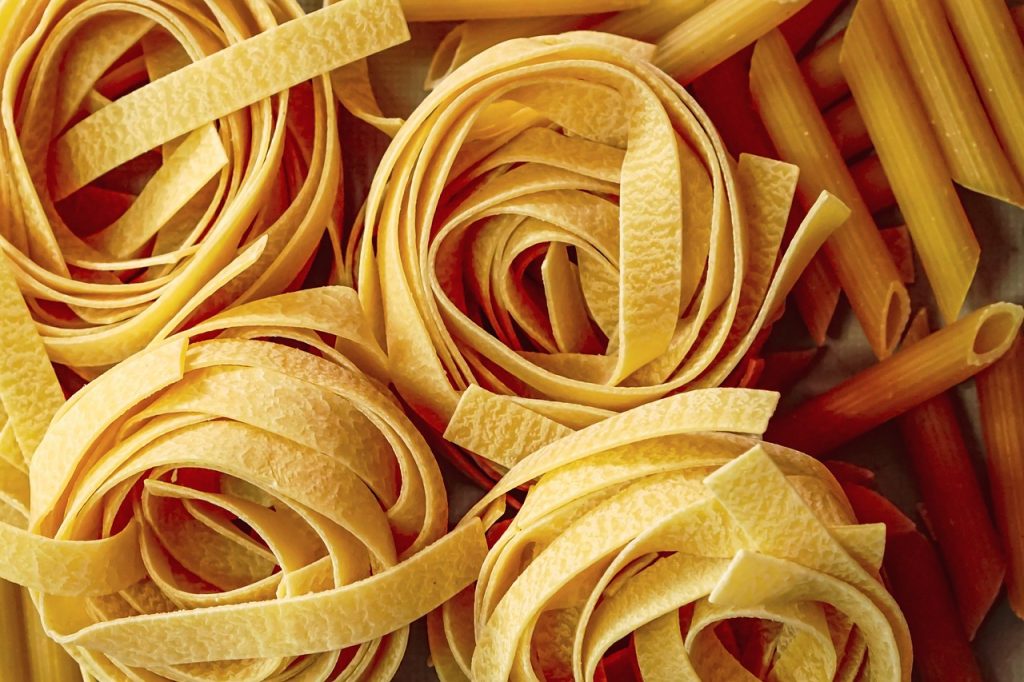
Fettuccine pasta stands out for its long, flat, and wide shape, typically measuring about 1/4 to 1/2 inch in width. The width of the noodles allows them to hold up well to hearty and robust sauces. Fettuccine is made from durum wheat flour and water, giving it a firm texture and a slightly chewy bite when cooked.
While traditional fettuccine is made with egg in the dough, there are also egg-free versions available. Additionally, variations such as spinach fettuccine, squid ink fettuccine, and whole wheat fettuccine offer unique flavours and visual appeal.
Interesting Facts:
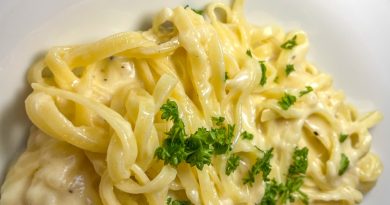
– Fettuccine Alfredo, a classic Italian dish, features fettuccine pasta tossed in a rich and creamy sauce made from butter, Parmesan cheese, and black pepper. It was popularized by Alfredo di Lelio, an Italian restaurateur, in the early 20th century.
– Fettuccine is often associated with celebrations and special occasions in Italy, particularly during Christmas and Easter. It is considered a festive pasta due to its wide and luxurious shape.
– Fettuccine is frequently used in Italian-American cuisine, where it is commonly served with tomato-based sauces, meatballs, or seafood.
Culinary Uses
Fettuccine pasta offers endless possibilities in the kitchen and pairs well with a variety of sauces and ingredients. Here are some popular culinary uses:
1. Classic Alfredo: Fettuccine Alfredo, as mentioned earlier, is a timeless dish that showcases the simplicity and elegance of fettuccine. The creamy sauce coats the noodles, creating a luscious and indulgent experience.
2. Carbonara: Fettuccine is a perfect match for carbonara sauce, a combination of eggs, pancetta or bacon, Parmesan cheese, and black pepper. The wide noodles capture the rich sauce, creating a harmonious blend of flavours.
3. Seafood Delights: Fettuccine pairs exceptionally well with seafood, such as shrimp, scallops, or clams. A garlic-infused olive oil or a light tomato-based sauce complements the delicate flavours of the seafood.
4. Primavera: Fettuccine Primavera is a vibrant and fresh dish that features a medley of seasonal vegetables, such as bell peppers, zucchini, and cherry tomatoes. The wide noodles provide a hearty base for the colourful vegetable mix.
5. Pesto Paradise: Fettuccine’s broad surface area is ideal for capturing the flavours of pesto sauce made from fresh basil, pine nuts, garlic, Parmesan cheese, and olive oil. The combination creates a vibrant and aromatic dish.
Fettuccine pasta, with its wide and flat ribbons, has become a beloved component of Italian cuisine worldwide. Its versatility, ability to hold robust sauces, and rich history make it a favourite among pasta enthusiasts. Whether enjoyed with classic Alfredo sauce, seafood, or vibrant vegetable medleys, fettuccine pasta continues to delight palates and bring a taste of Italy to tables around the globe. So, embrace the culinary possibilities and savour the joy that fettuccine pasta brings to your dining experience.