Russet Potatoes: A Timeless Staple with a Rich Heritage
Russet potatoes are a versatile and beloved ingredient in countless dishes worldwide. These starchy potatoes are known for their fluffy texture and earthy flavour, making them a perfect choice for baking, mashing, frying, and more. In this professional article, we will delve into the history and origins of Russet potatoes, discuss their popularity among different populations, uncover interesting facts about these spuds, provide storage information, offer cooking tips, and explore other important aspects of this essential culinary ingredient.
History and Origins
Russet potatoes, also known as Idaho potatoes, have a long and storied history. They originated in the early 19th century in the United States, specifically in the state of Idaho. The unique climate and volcanic soil of Idaho contribute to the superior quality and flavour of these potatoes. Over time, Russet potatoes gained popularity and became a staple ingredient in American cuisine and beyond.
Population and Popularity
Russet potatoes have gained immense popularity worldwide, and their versatility makes them a favourite among various populations. They are widely consumed in North America, Europe, and many other regions. In the United States, Idaho is renowned for its high-quality Russet potatoes, which are often used in dishes like baked potatoes, French fries, and mashed potatoes. Additionally, Russet Burbank is a popular variety of Russet potatoes grown in the Pacific Northwest region of the United States.
Interesting Facts about Russet Potatoes:
1. Russet potatoes have a high starch content, which contributes to their fluffy texture when cooked. This makes them ideal for baking, mashing, and frying.
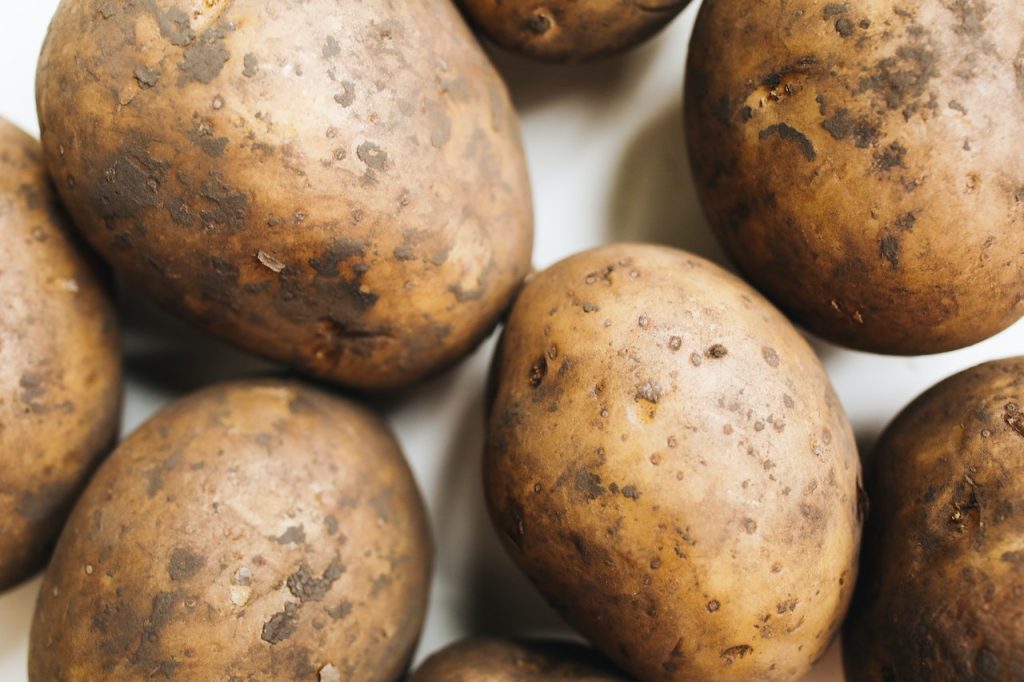
2. The skin of Russet potatoes is thick and rough, providing a protective layer that helps retain moisture during cooking.
3. Russet potatoes are often referred to as “baking potatoes” due to their ability to hold their shape and develop a crispy skin when baked.
4. They are a good source of dietary fibre, vitamin C, and potassium, making them a nutritious addition to meals.
5. Russet potatoes are commonly used to make hash browns, as their high starch content helps create a crispy and golden exterior.
Storage Information
To ensure the best quality and flavour of Russet potatoes, proper storage is essential. Here are some storage tips:
1. Store Russet potatoes in a cool, dark, and well-ventilated place, such as a pantry or cellar. Avoid storing them in the refrigerator, as the cold temperature can convert the starches to sugars and affect their taste and texture.
2. Keep Russet potatoes away from direct sunlight, as exposure to light can cause them to turn green and develop a bitter taste.
3. Do not store Russet potatoes near onions or other fruits, as they release ethylene gas, which can cause the potatoes to spoil faster.
4. Inspect your potatoes regularly and remove any that show signs of decay or sprouting to prevent them from affecting the quality of the others.
Cooking Tips and Culinary Uses
Russet potatoes are incredibly versatile and can be used in various dishes. Here are some cooking tips and culinary uses for Russet potatoes:
1. Baking: Russet potatoes excel in baked dishes, such as stuffed potatoes or potato gratin. Their fluffy texture and ability to hold their shape make them ideal for these preparations.
2. Mashing: Russet potatoes are perfect for making creamy mashed potatoes. Boil them until fork-tender, then mash them with butter, milk, and seasonings for a comforting side dish.
3. Frying: Russet potatoes are widely used for making French fries, hash browns, and potato chips. Their high starch content allows for a crispy exterior and a soft interior when fried.
4. Soups and stews: Russet potatoes can be cubed and added to soups and stews, where they absorb flavours and contribute to a hearty texture.
5. Roasting: Cut Russet potatoes into wedges or cubes, toss them with olive oil and seasonings, and roast them in the oven until golden and crispy.
Important Considerations
When working with Russet potatoes, keep in mind the following:
1. Russet potatoes tend to absorb flavours easily, so be mindful when seasoning or cooking them with strong spices or ingredients.
2. Avoid overcooking Russet potatoes, as they can become mushy. Cook them until they are just tender and easily pierced with a fork.
3. Scrub the skin of Russet potatoes thoroughly before cooking, as the skin is often left on for added texture and nutrients in dishes like baked potatoes or roasted potatoes.
In conclusion, Russet potatoes are a timeless and versatile ingredient that has become a staple in kitchens around the world. Their fluffy texture, earthy flavour, and ability to adapt to various cooking methods make them a go-to choice for countless recipes. Whether you’re baking, mashing, frying, or roasting, Russet potatoes bring a comforting and satisfying element to a wide range of culinary creations. By understanding their history, storage requirements, and considering important cooking tips, you can fully appreciate and enjoy the culinary magic of Russet potatoes.