Penne Pasta: A Versatile and Beloved Italian Classic
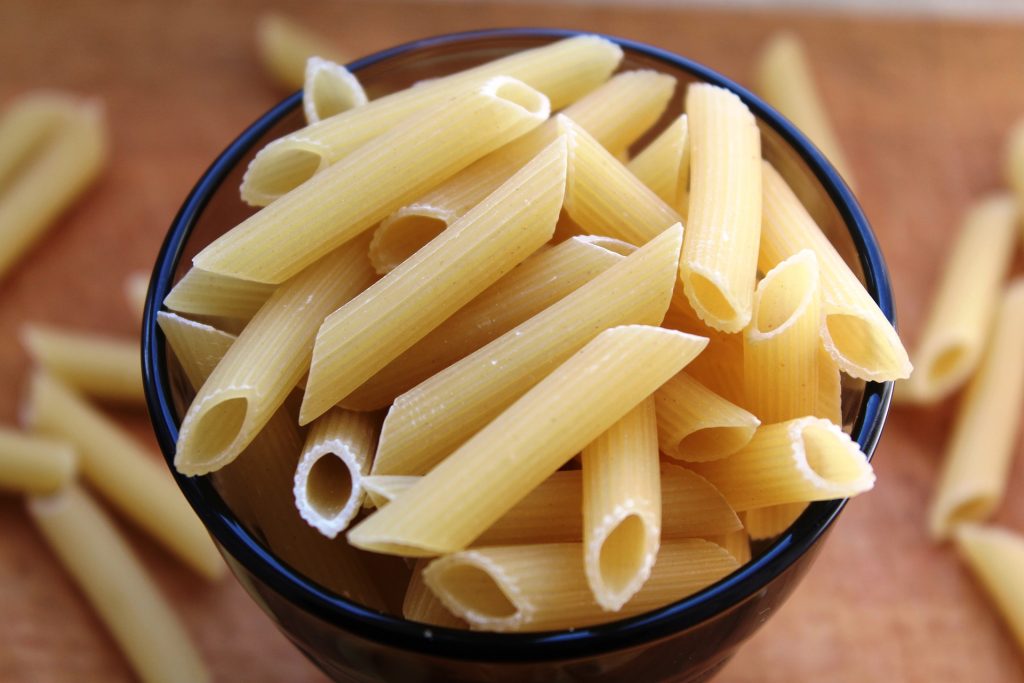
Penne pasta, with its distinctive tube-shaped design and angled ends, has become a staple in Italian cuisine and beyond. Its ability to hold sauces and ingredients makes it a versatile choice for a wide range of dishes. In this article, we will explore the history, population, varieties, interesting facts, storage information, cooking tips, and other important details about penne pasta.
History and Population
Penne pasta has its origins in Italy, specifically in the Campania region, where it was first created in the mid-19th century. The word “penne” is derived from the Italian word for quills, referring to the pasta’s resemblance to quill pens. Over time, penne pasta gained popularity throughout Italy and eventually spread to other parts of the world. Today, it is a beloved pasta shape enjoyed by millions worldwide.
Varieties
While traditional penne pasta is made from durum wheat semolina, there are variations available to suit different dietary preferences. Some popular variations include:
1. Whole Wheat Penne: Made from whole wheat flour, this variety offers a higher fibre content and a nuttier flavour.
2. Gluten-Free Penne: Crafted from alternative flours like rice, corn, or quinoa, gluten-free penne pasta caters to individuals with gluten intolerance or celiac disease.
3. Multigrain Penne: Combining various grains, such as wheat, oats, and barley, this type of penne pasta offers a more complex and nutritious profile.
Interesting Facts:
– Penne pasta is a member of the macaroni family of pasta, which includes other tube-shaped varieties like rigatoni and ziti.
– The hollow centre and ridges of penne pasta help it hold onto sauce, making it ideal for heartier, chunkier sauces.
– Penne pasta is often used in baked pasta dishes like pasta al forno or pasta casseroles due to its ability to maintain its shape and texture during cooking.
Storage Information
To keep penne pasta fresh, store it in a cool, dry place away from direct sunlight. It is best to transfer the pasta to an airtight container or resealable bag to prevent moisture absorption and maintain its quality. Properly stored penne pasta can last for up to one year.
Cooking Tips:
– Follow the cooking instructions on the package for the recommended cooking time, as it may vary depending on the brand and type of penne pasta.
– Cook penne pasta in a large pot of boiling, salted water until al dente, meaning it is cooked but still slightly firm to the bite.
– Pair penne pasta with a variety of sauces, such as tomato-based sauces, cream sauces, or pesto, to enhance its flavour and texture.
– Consider adding cooked penne pasta to soups or salads for a satisfying and versatile meal option.
Penne pasta, with its rich history, wide popularity, and versatility, continues to be a beloved choice for pasta enthusiasts worldwide. Whether enjoyed in a classic Italian dish or creatively incorporated into new recipes, penne pasta’s shape and texture make it a reliable and delicious option. So, the next time you’re in the mood for a comforting pasta meal, reach for a box of penne and let your culinary creativity take flight.