Asiago Cheese: A Taste of Italian Excellence
Asiago cheese, originating from the Asiago plateau in the Veneto region of Italy, is a renowned Italian cheese with a rich history and a distinct flavour profile. This article will delve into the fascinating aspects of Asiago cheese, including its history, population, varieties, interesting facts, storage information, cooking tips, and other important details that make it a beloved choice for cheese enthusiasts worldwide.
History and Population
Asiago cheese has a history that dates back to the 10th century, making it one of the oldest traditional Italian cheeses. The production of Asiago cheese began in the mountains of the Asiago plateau, where local farmers would use milk from cows grazing on the lush Alpine pastures. Over time, the cheese gained popularity and became an integral part of the regional culinary traditions.
Varieties
Asiago cheese is available in two main varieties: Asiago Pressato and Asiago d’Allevo.
1. Asiago Pressato:
– Soft and mild in flavour, Asiago Pressato is a young cheese that is aged for a shorter period, typically around 20 to 40 days.
– It has a creamy and delicate texture, making it a versatile choice for sandwiches, salads, and melting in various recipes.
2. Asiago d’Allevo:
– Aged for a longer duration, usually up to 12 months or more, Asiago d’Allevo develops a more robust and complex flavour.
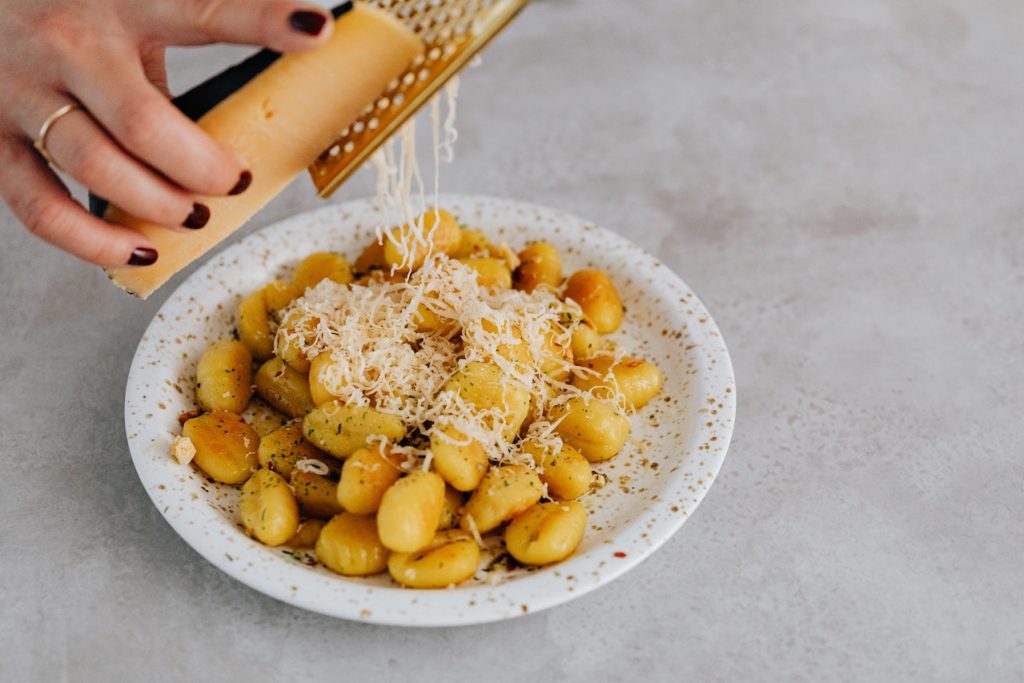
– It has a firm and crumbly texture, making it ideal for grating over pasta, risotto, or enjoying on a cheese platter.
Interesting Facts:
– Asiago cheese is a Protected Designation of Origin (PDO) product, meaning it must be produced in the designated area and follow specific production methods to earn the name “Asiago.”
– The Asiago plateau boasts picturesque landscapes and is home to numerous dairy farms dedicated to producing this renowned cheese.
– Asiago cheese gained popularity beyond Italy during World War I when soldiers from various countries stationed in the region discovered and fell in love with its unique taste.
Storage Information:
To preserve the freshness and quality of Asiago cheese, it is essential to store it correctly:
– Keep the cheese refrigerated at temperatures between 35-45°F (2-7°C).
– Wrap it tightly in wax paper or plastic wrap to prevent it from drying out.
– For optimal flavour, consume the cheese within a few days of opening.
Cooking Tips:
– Asiago Pressato is excellent for melting, making it a perfect choice for grilled cheese sandwiches, pasta dishes, and creamy sauces.
– Asiago d’Allevo shines when grated over pasta, risotto, or soups, adding a distinctive nutty and savoury flavour.
Other Important Information:
– Asiago cheese pairs well with a variety of accompaniments, such as crusty bread, fresh fruits, olives, and dry white wines like Sauvignon Blanc.
– It is essential to source Asiago cheese from reputable producers or specialty cheese shops to ensure its authenticity and quality.
Asiago cheese, with its rich history, distinct flavour, and versatile nature, continues to captivate cheese lovers around the world. Whether you prefer the soft and mild Asiago Pressato or the aged and robust Asiago d’Allevo, this Italian cheese offers a delightful experience in every bite. So, explore the wonders of Asiago cheese and elevate your culinary creations with its exceptional taste and quality.