Tagliatelle: The Art of Ribbon Pasta Unveiled
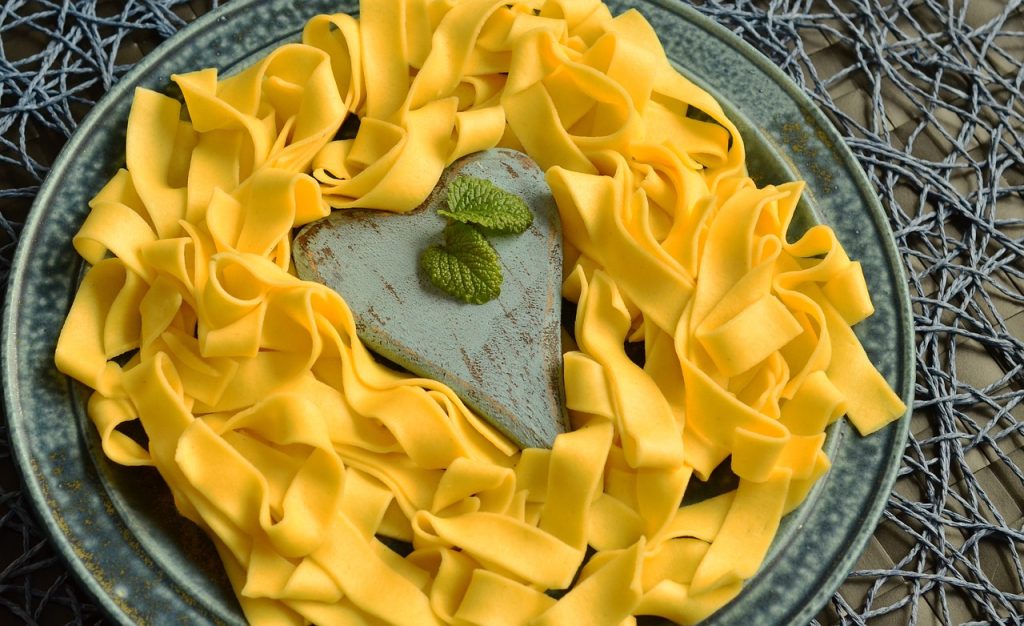
In the world of pasta, Tagliatelle stands as a testament to the craft and finesse of Italian culinary artistry. These flat, long ribbons of pasta, born in the heart of Italy, have journeyed through centuries, gracing tables with their elegance and versatility. From their historical roots to the myriad varieties and culinary techniques, let’s explore the rich tapestry of Tagliatelle, including interesting facts, storage wisdom, cooking tips, and the cultural significance they carry.
History: Tracing the Origins of Elegance
Tagliatelle’s origin story is deeply rooted in the Emilia-Romagna region of Northern Italy, where legend has it that a chef, inspired by the hair of the woman he loved, created this pasta shape. While the legend adds a romantic touch, historical records indicate that Tagliatelle has been documented in Italian culinary literature since the 15th century. Today, it is an integral part of the rich pasta tradition that Italy is renowned for.
Varieties: Ribbons in Many Forms
Tagliatelle comes in various forms, each offering a unique texture and culinary experience. Traditional egg-based Tagliatelle is made with flour and eggs, creating a rich and silky texture. Other variations include spinach-infused Tagliatelle, which adds a vibrant green hue, and whole wheat Tagliatelle for those seeking a heartier option.
Interesting Facts: Insights into Tagliatelle Lore
- Width Matters: The ideal width of Tagliatelle is around 6 to 10 millimetres, offering a perfect balance between capturing and holding sauces.
- Bolognese Bond: Tagliatelle is famously paired with Bolognese sauce, creating the classic dish Tagliatelle al Ragù. The broad surface of the pasta allows it to cradle the rich, meaty sauce.
- Festive Tradition: In some regions of Italy, Tagliatelle is associated with celebratory occasions, particularly during holidays and special family gatherings.
Storage Information: Nurturing Freshness
To preserve the freshness of Tagliatelle, store it in a cool, dry place away from direct sunlight. If you’ve made or purchased fresh Tagliatelle, it is best consumed within a few days. Dried Tagliatelle has a longer shelf life and can be stored in a sealed container or airtight bag for several months.
Cooking Tips: Unleashing Culinary Potential
- Perfect Boil: When cooking Tagliatelle, use a large pot of well-salted boiling water. Stir gently to prevent sticking and cook until al dente for the ideal texture.
- Pairing Partners: Tagliatelle complements a variety of sauces, from creamy Alfredo to light, herby pesto. Its broad surface allows it to absorb and hold onto flavours.
- Creative Variations: Experiment with different Tagliatelle variations and sauces, such as seafood-based sauces, mushroom cream, or a simple olive oil and garlic drizzle.
Cultural Symbol: Tagliatelle in Italian Tradition
In Italy, Tagliatelle is more than just a pasta shape; it is a cultural icon. Its association with specific sauces and festive occasions makes it a symbol of culinary heritage and shared moments at the dining table. As we continue to savour the artistry of pasta-making, Tagliatelle remains a timeless embodiment of Italian elegance and the joy of good food.