Red Norland Potatoes: A Culinary Legacy in Every Bite
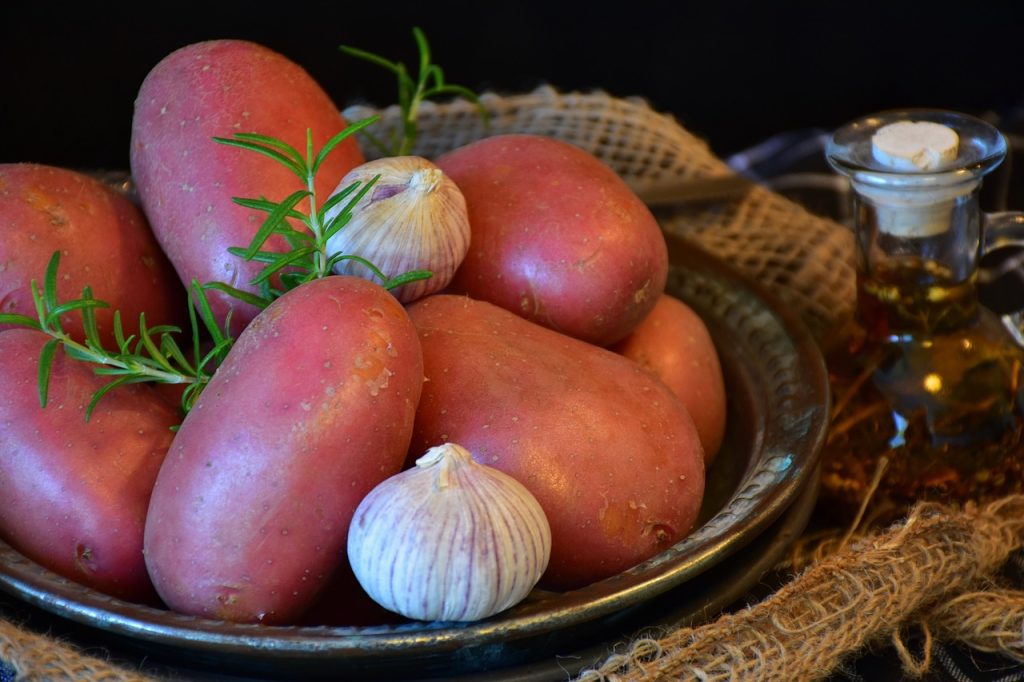
Red Norland Potatoes, with their vibrant red skin and rich, creamy flesh, stand as a testament to the intersection of agriculture and culinary delight. These potatoes have carved a niche in the hearts of chefs and home cooks alike, not just for their visual appeal but for the exceptional flavour and versatility they bring to the table. Let’s embark on a journey through the history, varieties, and culinary nuances of Red Norland Potatoes, exploring the roots that make them a beloved ingredient in kitchens around the world.
History
The Red Norland Potato traces its roots back to the agricultural landscapes of Canada. Bred for cool climates, these potatoes were developed by the University of Minnesota in the 1950s, making them well-suited for northern regions with shorter growing seasons. Their adaptability and resistance to common potato diseases contributed to their widespread cultivation and popularity among farmers.
Population and Varieties
Red Norland Potatoes have found a home in various regions with cooler climates, such as Canada, the northern United States, and parts of Europe. Known for their early maturation, these potatoes are often harvested in the early summer months. While the classic Red Norland is celebrated for its red skin and waxy texture, variations with different hues and textures have emerged over time, offering culinary enthusiasts a palette of options.
Interesting Facts:
- The distinctive red skin of Red Norland Potatoes not only adds visual appeal to dishes but also contributes to their nutritional value, as the skin contains additional fibre and nutrients.
- These potatoes are prized for their smooth, creamy texture, making them ideal for mashed potatoes, salads, and roasting.
- Red Norland Potatoes are recognized for their uniform shape and consistent size, making them a preferred choice for culinary presentations.
Storage Information
To maximize the shelf life and maintain the quality of Red Norland Potatoes, it is recommended to store them in a cool, dark place. A well-ventilated container or mesh bag helps prevent moisture build-up, reducing the risk of sprouting or decay. Avoid storing potatoes near onions, as onions emit gases that can accelerate the sprouting process.
Cooking Tips:
- Red Norland Potatoes excel in recipes that highlight their waxy texture, such as potato salads and scalloped potatoes.
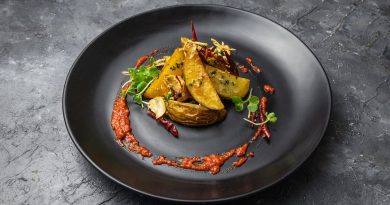
- Roasting these potatoes with a blend of herbs and olive oil enhances their natural flavours, creating a side dish that complements a variety of main courses.
- For a comforting classic, mash Red Norland Potatoes with butter, cream, and a touch of garlic for creamy mashed potatoes.
Culinary Versatility
Red Norland Potatoes bring both visual appeal and culinary versatility to the kitchen. From hearty stews to elegant side dishes, these potatoes lend themselves to a myriad of culinary creations, earning their place as a beloved ingredient in diverse cuisines.
In every Red Norland Potato, there is a story of resilience, adaptability, and culinary excellence. As these potatoes continue to grace tables worldwide, they not only honour their historical roots but also inspire a new generation of cooks to explore the endless possibilities they offer. Whether roasted, mashed, or showcased in vibrant salads, Red Norland Potatoes remain a culinary legacy, inviting us to savour the rich flavours embedded in each vibrant bite.