Fingerling Potatoes: A Petite Culinary Delight with Big Flavour
In the expansive world of potatoes, one diminutive variety has captured the hearts of chefs and home cooks alike – the Fingerling Potato. Known for its slender, finger-like shape and rich, buttery taste, the Fingerling Potato offers a unique culinary experience that transcends the ordinary. This article takes a deep dive into the historical roots, diverse varieties, intriguing facts, optimal storage practices, cooking tips, and the delightful nuances that make Fingerling Potatoes a beloved ingredient in kitchens worldwide.
History
Originating from the Andes region of South America, where potatoes have been cultivated for thousands of years, Fingerling Potatoes have a storied history. They found their way to Europe in the late 1800s, and over time, their unique shape and exceptional flavour captivated the culinary world, earning them a place in gourmet kitchens.
Population
While Fingerling Potatoes may not dominate global potato production, their popularity has surged in culinary circles. Their distinct appearance and creamy texture have made them a favourite among chefs seeking to elevate their dishes, and they have found a niche in farmers’ markets and specialty grocery stores around the world.
Varieties
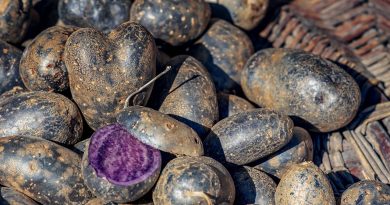
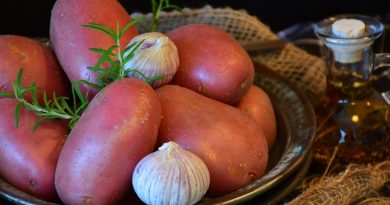
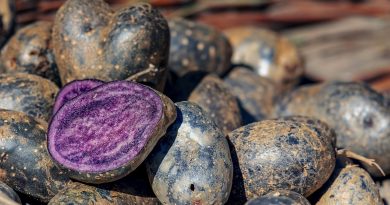
The Fingerling Potato family boasts several varieties, each with its own characteristics. The Russian Banana Fingerling, with its curved shape and golden skin, stands out for its nutty flavour. The French Fingerling, known for its red skin and buttery taste, adds a touch of elegance to dishes. These variations offer chefs and home cooks an array of options to suit different flavour profiles and culinary creations.
Interesting Facts
Fingerling Potatoes owe their name to their unique shape, resembling fingers or small tubers. Unlike larger potato varieties, Fingerlings have a higher sugar content, contributing to their sweet and nutty taste. Their thin skin adds to their appeal, allowing for versatile cooking methods and presentations.
Storage Information
Preserving the freshness and texture of Fingerling Potatoes involves proper storage. Keep them in a cool, dark place, away from direct sunlight, to prevent sprouting and maintain their flavour. Avoid storing them in the refrigerator, as the cold temperatures can negatively impact their taste and texture.
Cooking Tips
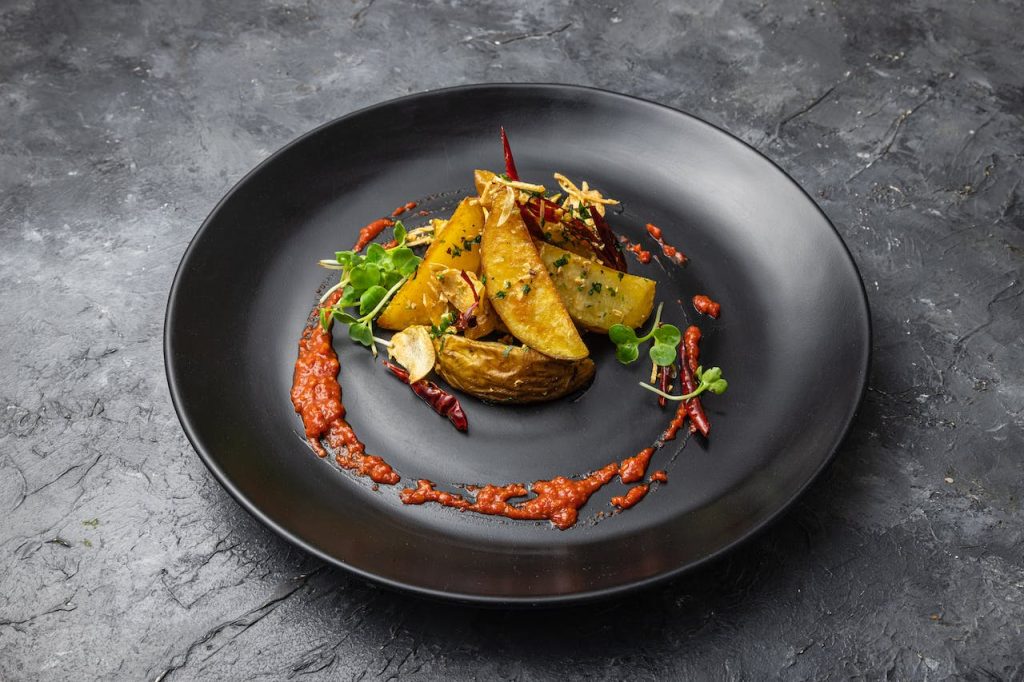
Fingerling Potatoes shine in various culinary applications. Roasting them whole enhances their natural sweetness and results in a crispy exterior. Boiling or steaming showcases their creamy texture, making them ideal for potato salads. Their petite size makes them perfect for skewering and grilling or for adding a visually appealing element to diverse dishes.
Fingerling Potatoes may be small in size, but they pack a punch in flavour and versatility. From their ancient roots in the Andes to their modern popularity on gourmet plates, Fingerling Potatoes continue to enchant with their unique characteristics. As you embark on your culinary journey, consider incorporating these petite potatoes to elevate your dishes and savour the delightful nuances they bring to the table.