Japonica Rice: A Taste of Authenticity in Japanese Cooking
Japonica rice, with its unique characteristics and rich history, holds a special place in Japanese cuisine. In this article, we will explore the history, origin, features, types, interesting facts, and culinary uses of Japonica rice.
History and Origin
Japonica rice, also known as Japanese rice, has been cultivated in Japan for over 2,000 years. It is believed to have originated from wild rice varieties found in Southeast Asia. Through centuries of selective breeding and refinement, Japanese farmers developed various strains of Japonica rice, each with its own distinct qualities and characteristics.
Features and Types
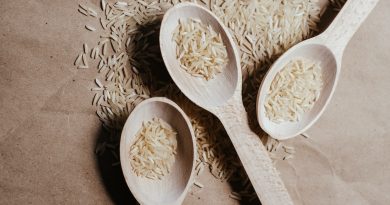
Japonica rice is characterized by its short to medium grain size, round shape, and slightly sticky texture when cooked. It is this stickiness that makes Japonica rice perfect for sushi and other traditional Japanese dishes. The grains tend to cling together, allowing for easy manipulation when forming sushi rolls or shaping rice balls.
There are several types of Japonica rice commonly found in the market:
1. Koshihikari: Widely regarded as the king of Japonica rice, Koshihikari is prized for its delicate flavour, slightly sweet taste, and tender texture. It is often used in high-end sushi restaurants and considered the epitome of premium rice.
2. Sasanishiki: Sasanishiki rice is known for its versatility and excellent balance of stickiness and firmness. It is commonly used for sushi, onigiri (rice balls), and as a side dish in various Japanese meals.
3. Akitakomachi: Akitakomachi rice has a distinctively glossy appearance and a slightly sticky texture. It is often enjoyed as a staple in the northern regions of Japan, where it is cultivated.
Interesting Facts:
– Japonica rice is a short-grain rice variety, which means it has a higher starch content compared to long-grain rice. This starchiness contributes to its stickiness and ability to hold its shape when cooked.
– The cultivation of Japonica rice requires careful attention to water management, soil conditions, and temperature, as these factors significantly impact the quality and flavour of the rice.
– Japonica rice is rich in essential nutrients such as carbohydrates, protein, and small amounts of vitamins and minerals. It serves as a vital source of energy in the Japanese diet.
Culinary Uses
Japonica rice plays a crucial role in Japanese cuisine and is used in a variety of traditional dishes. Here are some popular culinary uses:
1. Sushi: Japonica rice is the foundation of sushi. Its sticky texture allows the rice to hold together when rolled with fresh fish, vegetables, or other fillings. The balance of stickiness and tenderness enhances the overall sushi experience.
2. Onigiri: Onigiri, or rice balls, are a staple snack in Japan. Japonica rice is shaped into triangular or cylindrical forms, often filled with pickled plum, grilled salmon, or other savoury ingredients, and wrapped in a sheet of nori (seaweed).
3. Donburi: Japonica rice serves as the base for various donburi dishes, where it is topped with simmered meats, vegetables, or raw fish. The sticky texture of the rice helps bind the toppings together.
4. Rice Porridge: Japonica rice is commonly used to make rice porridge, known as okayu. It is a comforting dish often served to those recovering from illness or as a simple breakfast option.
Japonica rice, with its unique characteristics and deep-rooted cultural significance, is an essential ingredient in Japanese cuisine. Its stickiness, delicate flavour, and versatility have made it a favourite choice for sushi, rice balls, and a range of other traditional dishes. As you explore the rich culinary world of Japan, be sure to savour the distinctive qualities of Japonica rice and appreciate the centuries-old tradition it represents.