Medium Grain Brown Rice: A Nutritious Staple for Health-conscious Foodies
Medium grain brown rice is a versatile and nutritious grain that has gained popularity among health-conscious individuals and food enthusiasts alike. In this article, we will delve into the history, origin, features, types, interesting facts, and culinary uses of medium grain brown rice.
History and Origin
Brown rice has been a staple food in many cultures for centuries, dating back to ancient civilizations in Asia. The cultivation of rice can be traced back to over 7,000 years ago in China. From there, it spread to other parts of Asia, including Japan, Korea, and India. Medium grain brown rice, known for its balanced texture and nutty flavour, originated in Japan.
Features and Types
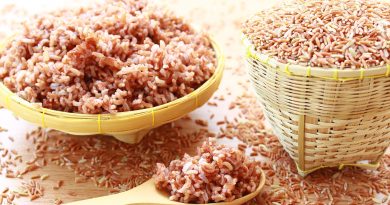
Medium grain brown rice is distinct from other rice varieties due to its length-to-width ratio. It is shorter and plumper compared to long grain rice but longer than short grain rice. The outer bran layer gives it a chewy texture and a nutty taste. This rice variety is rich in fibre, vitamins, and minerals, making it a healthier alternative to refined white rice.
There are several types of medium grain brown rice available on the market, such as:
1. Calrose: This is the most widely cultivated medium grain brown rice variety in the United States. It is known for its soft and sticky texture, making it ideal for sushi and rice bowls.
READ MORE: Calrose Rice: A Taste of California’s Finest Grain
2. Arborio: Originating from Italy, Arborio rice is traditionally used in risottos due to its ability to absorb flavours and release starch, resulting in a creamy consistency.
READ MORE: The King of Risotto: Discovering the Magic of Arborio Rice
3. Japonica: Japonica rice is popular in Japan and has a slightly sticky texture when cooked. It is commonly used for sushi, onigiri (rice balls), and other Japanese dishes.
READ MORE: Japonica Rice: A Taste of Authenticity in Japanese Cooking
Interesting Facts:
– Brown rice is a whole grain that retains the bran and germ layers, which are removed during the processing of white rice. This preservation of the outer layers contributes to its higher nutritional value.
– Medium grain brown rice is a gluten-free grain, making it suitable for individuals with gluten intolerance or celiac disease.
– It is an excellent source of complex carbohydrates, which provide sustained energy and help regulate blood sugar levels.
– Brown rice contains essential minerals such as magnesium, phosphorus, and selenium, as well as B vitamins and dietary fibre.
Culinary Uses
Medium grain brown rice is incredibly versatile in the kitchen and can be incorporated into a wide range of dishes. Here are a few culinary uses:
1. Main Course: Brown rice can be used as a base for stir-fries, grain bowls, pilafs, and casseroles. Its nutty flavour and slightly chewy texture add depth to savoury dishes.
2. Sushi and Sashimi: Calrose and Japonica varieties of medium grain brown rice are well-suited for making sushi rolls and sashimi bowls. The stickiness of these rice types helps hold the ingredients together.
3. Side Dishes: Brown rice can be served as a side dish alongside grilled meats, roasted vegetables, or as a filling for stuffed peppers or mushrooms.
4. Desserts: Brown rice can even be used in sweet recipes. It can be cooked with coconut milk, cinnamon, and honey to create a delicious rice pudding.
Medium grain brown rice is a wholesome and nutritious grain that offers a delightful combination of texture and flavour. With its rich history, diverse types, and numerous culinary uses, it has become a staple ingredient for health-conscious individuals seeking a balanced and satisfying diet. Incorporate medium grain brown rice into your meals and experience the goodness it brings to your plate.