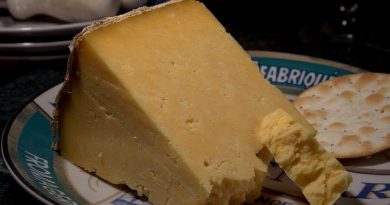
Chèvre Reverie: Navigating the Past, Present, and Future of Goat Cheese
Goat cheese, or chèvre in French, has a rich and ancient history dating back thousands of years. Originating from the Mediterranean region, where goats were among the first domesticated animals, this cheese has transcended time and borders to become a global culinary sensation. Initially crafted by nomadic tribes, the art of goat cheese-making has evolved, captivating palates with its distinct flavours and textures.
Population and Global Influence
Goat cheese has not only stood the test of time but has experienced a remarkable resurgence in popularity in recent years. As a preferred choice for those seeking a unique and tangy alternative to cow’s milk cheese, it has carved a niche in the global cheese market. From the rustic hills of France to artisanal creameries in the United States, the goat cheese renaissance has captured the attention of cheese connoisseurs worldwide.
Varieties
The world of goat cheese is a diverse landscape, offering a spectrum of textures and flavours. Some notable varieties include:
- Fresh Chevre: Soft and spreadable, often enjoyed in salads or as a topping for crackers.
- Aged Goat Cheese: Ranging from semi-soft to firm, aged goat cheeses develop complex flavours and crumbly textures over time.
- Goat Gouda: Inspired by the Dutch classic, this cheese undergoes a maturation process, resulting in a nutty and caramelized profile.
Interesting Facts:
- Health Benefits: Goat cheese is often favoured by those with lactose sensitivities, as it contains less lactose than cow’s milk cheese and is rich in essential nutrients like calcium and protein.
- Terroir Influence: The flavour of goat cheese is profoundly influenced by the terroir—the climate, soil, and vegetation—where the goats graze, contributing to its unique regional characteristics.
- Culinary Versatility: From salads and pizzas to desserts and soufflés, goat cheese’s adaptable nature makes it a star ingredient in a wide array of dishes.
Storage Information
Preserving the delicate flavours and textures of goat cheese requires careful storage:
- Refrigeration: Store goat cheese in the refrigerator, preferably in the vegetable crisper drawer, wrapped in parchment paper to allow it to breathe.
- Avoid Odor Absorption: Keep goat cheese away from strong-smelling foods, as it readily absorbs odours, potentially altering its taste.
Cooking Tips
Unlock the full potential of goat cheese in your culinary adventures with these tips:
- Pairing Magic: Goat cheese pairs wonderfully with honey, nuts, and fruits, creating delightful combinations for both sweet and savoury dishes.
- Melting Mastery: When using goat cheese in warm dishes, such as pasta or risotto, crumble it over the dish just before serving to retain its distinct texture and flavour.
- Baking Brilliance: Goat cheese can be baked into savoury tarts or added to quiches for a creamy and tangy element that elevates the entire dish.
From its ancient roots to its modern resurgence, goat cheese continues to enchant gastronomes with its diverse array of flavours and textures. As a testament to the craftsmanship of cheese artisans worldwide, this culinary gem remains a symbol of innovation and tradition, inviting us on a delightful journey through the world of fine cheeses.