Ditalini Pasta: A Tiny Marvel with a Rich Pasta Heritage
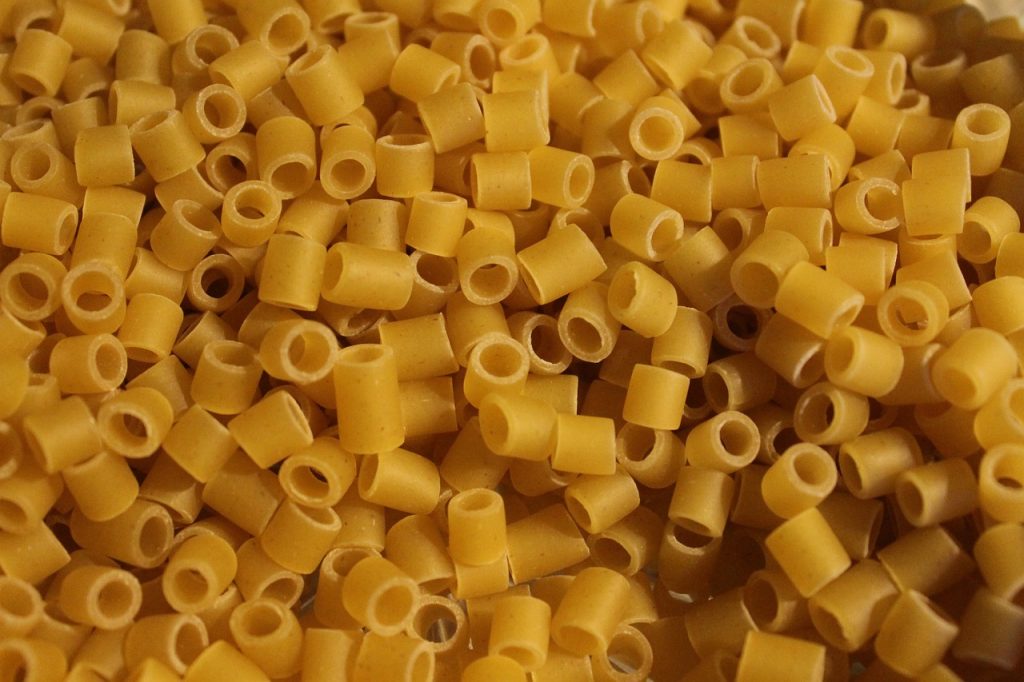
Ditalini, translating to “small thimbles” in Italian, has a culinary lineage deeply rooted in the heart of Italy. This miniature pasta, characterized by its short, tube-like shape, has been a staple in Italian kitchens for generations. Traditionally made from durum wheat semolina, ditalini’s diminutive form lends itself to a variety of culinary applications.
Population and Global Influence
While ditalini may be small in size, its influence is anything but. Widely embraced in Italy for its versatility, this pasta has found its way onto international plates, becoming a favourite in kitchens around the world. Loved for its ability to add texture to soups, salads, and stews, ditalini has secured its place as a culinary darling among pasta enthusiasts.
Varieties
Ditalini itself is a distinct pasta variety, but its diminutive form has inspired similar shapes, each with its unique charm:
- Tubettini: Similar to ditalini, tubettini are short pasta tubes, often used interchangeably in recipes.
- Saladini: Slightly larger than ditalini, saladini are perfect for pasta salads and cold dishes.
Interesting Facts:
- Soup Star: Ditalini is celebrated for its role in hearty soups, like the classic Italian minestrone, where its small size allows it to effortlessly mingle with other ingredients.
- Kid-Friendly Delight: Due to its manageable size and playful shape, ditalini is a favourite among children, making it an excellent choice for family-friendly meals.
- Historical Significance: Ditalini has been a part of Italian culinary traditions for centuries, showcasing its enduring popularity and timeless appeal.
Storage Information
Preserving the quality of ditalini pasta is crucial for a delightful dining experience:
- Cool and Dry: Store ditalini in a cool, dry place, away from direct sunlight and humidity, to prevent the pasta from becoming stale or clumping.
- Airtight Containers: Once opened, transfer the pasta to a sealed, airtight container to protect it from moisture and insects.
Cooking Tips
Make the most of ditalini pasta with these cooking tips:
- Perfect for Soups: Ditalini’s small size makes it ideal for soups, as it cooks quickly and absorbs the flavours of broths and sauces.
- Versatile Salads: Add a delightful twist to pasta salads by using ditalini, providing a compact and satisfying bite.
- Balance Texture: When cooking ditalini for soups, ensure it remains slightly al dente to maintain its pleasing texture in every spoonful.
Ditalini pasta, with its rich history and culinary adaptability, stands as a testament to the enduring allure of traditional Italian pasta shapes. From comforting soups to vibrant salads, this petite pasta has earned its place in kitchens globally, bringing a touch of Italian charm to every dish it graces.