Barbine Pasta: A Curly Twist That Elevates Your Pasta Game
Barbine pasta, also known as “Barbine” or “Barbina,” is a delightful type of pasta that offers a unique texture and flavour. With its origins deeply rooted in Italian culinary tradition, Barbine pasta has gained popularity worldwide for its versatility and ability to enhance a wide range of dishes. In this article, we will delve into the rich history, origin, features, types, interesting facts, and culinary uses of Barbine pasta.
History and Origin
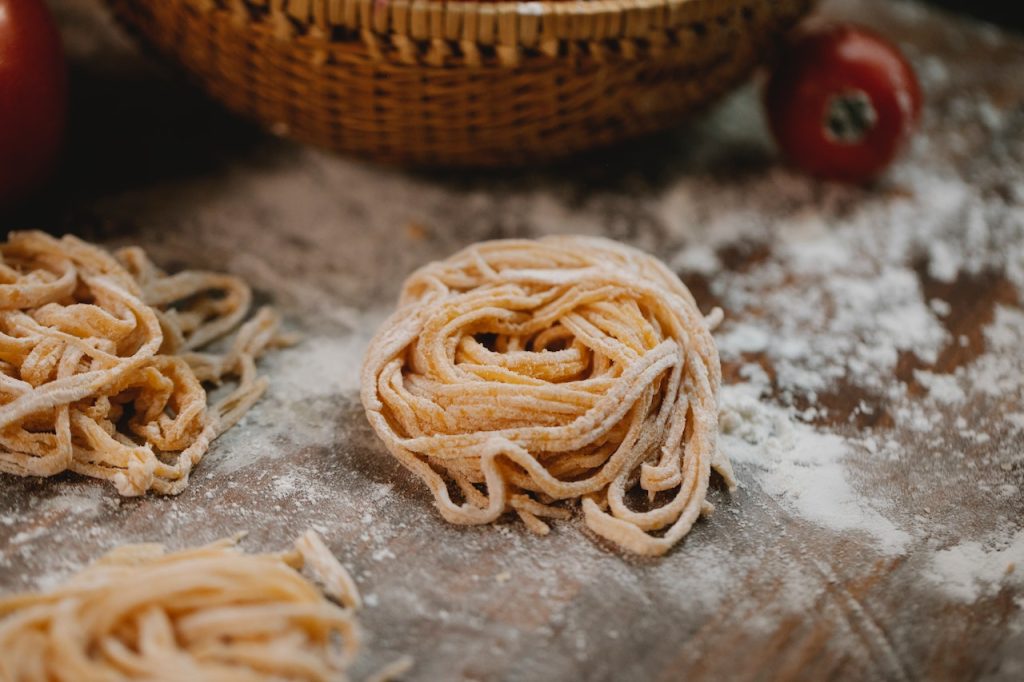
Barbine pasta has its origins in the Emilia-Romagna region of Italy, particularly in the city of Bologna. This region is renowned for its exceptional traditional pasta-making techniques. The name “Barbine” is believed to derive from the Italian word “barba,” meaning “beard,” which is a reference to the pasta’s unique shape resembling a curled beard.
Features and Types
Barbine pasta is characterized by its distinctive shape, which resembles small, twisted spirals or corkscrews. Its texture is smooth and firm, allowing it to hold sauces and ingredients exceptionally well. The twisted shape of Barbine pasta also helps to trap the flavours of accompanying sauces, resulting in a delightful burst of taste with every bite.
There are various types of Barbine pasta available, including:
1. Barbine Rigate: This type of Barbine is characterized by ridges on its surface, allowing it to hold even more sauce.
2. Barbine Lisce: Unlike Barbine Rigate, Barbine Lisce is smooth and lacks ridges. It is an excellent choice for lighter sauces and delicate flavours.
Interesting Facts:
– Barbine pasta is often used in traditional Italian dishes such as pasta salads, casseroles, and baked pasta dishes.
– The unique shape of Barbine pasta makes it a favourite among children, as it adds an element of fun to their meals.
– Due to its twisted shape, Barbine pasta pairs well with chunky sauces, vegetables, and proteins, ensuring a harmonious blend of flavours and textures.
Culinary Uses
Barbine pasta’s versatility lends itself to a myriad of culinary applications. Some popular culinary uses include:
– Pasta Salads: The twisted shape of Barbine pasta makes it an ideal choice for pasta salads. It holds dressings and marinades effectively, allowing for a burst of flavours in every bite.
– Baked Pasta Dishes: Barbine pasta is perfect for baked pasta dishes such as macaroni and cheese or pasta casseroles. The curls of the pasta help to hold the sauce, cheese, and other ingredients, resulting in a delectable and visually appealing dish.
– Soups and Stews: Barbine pasta can be added to soups and stews, contributing a unique texture, and enhancing the overall flavour profile of the dish.
– Stir-fries and Sautéed Dishes: Due to its shape, Barbine pasta adds a delightful twist to stir-fries and sautéed dishes. It pairs well with various vegetables, proteins, and sauces, creating a well-balanced and satisfying meal.
Barbine pasta offers a delightful culinary experience with its unique shape, texture, and versatility in various dishes. Its origins in Italy, rich history, and ability to hold sauces and flavours make it a favourite among pasta enthusiasts worldwide. Whether used in pasta salads, baked dishes, soups, or stir-fries, Barbine pasta adds a touch of elegance and fun to any meal. Give this distinctive pasta a try and elevate your culinary creations to new heights.