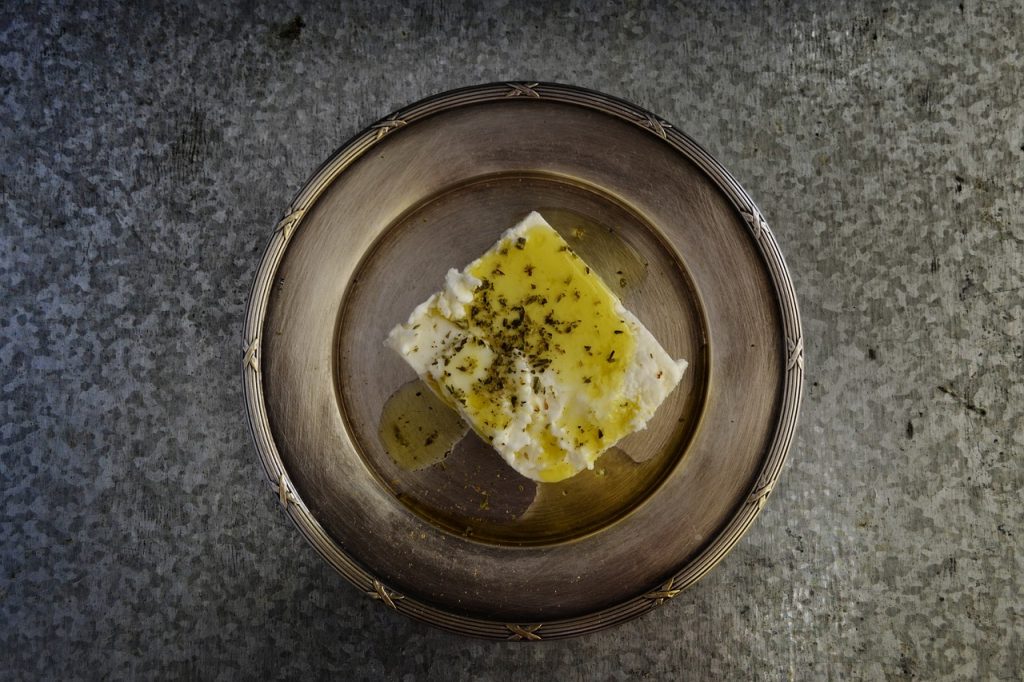
Feta Cheese: A Mediterranean Icon in the World of Gastronomy
Feta cheese is a beloved culinary gem that has captured the hearts and taste buds of people worldwide. With its distinct crumbly texture, tangy flavour, and versatile nature, this Greek cheese has become a staple ingredient in countless dishes. In this article, we will delve into the fascinating history, origin, features, types, interesting facts, and culinary uses of Feta cheese.
History and Origin
Feta cheese has a history that spans over thousands of years. Its origins can be traced back to ancient Greece, where it was a significant part of the local cuisine. The name “Feta” is derived from the Greek word “fetta,” meaning “slice.” The cheese was traditionally made from sheep’s milk, with occasional additions of goat’s milk for added richness and complexity.
Features and Characteristics
Feta cheese stands out with its crumbly yet creamy texture and a tangy, salty flavour profile. It is known for its unique aroma and distinct taste, which is a result of the fermentation process it undergoes. The cheese is typically aged in brine, which contributes to its characteristic saltiness and helps preserve its freshness.
Types of Feta Cheese
While traditional Greek feta cheese remains the most renowned, variations of this cheese are produced in other countries as well. The Protected Designation of Origin (PDO) status ensures that authentic Greek feta cheese is made exclusively in Greece, following specific production methods. However, similar cheeses known as “white cheese” can be found in other Mediterranean countries.
Interesting Facts:
– Feta cheese is believed to be one of the oldest cheeses in the world, with references to its production dating back to ancient Greece.
– The European Union granted PDO status to Greek feta cheese in 2002, recognizing its unique qualities and protecting its authenticity.
– Feta cheese is a rich source of calcium, protein, and essential vitamins and minerals.
– The crumbly texture of feta cheese makes it an ideal ingredient for salads, sandwiches, and baked dishes.
Culinary Uses
Feta cheese’s versatility in the kitchen is unrivalled. Its tangy flavour and crumbly texture make it a perfect addition to salads, where it adds a delightful savoury element. It pairs exceptionally well with ingredients like olives, tomatoes, cucumbers, and fresh herbs, creating a harmonious blend of flavours. Feta cheese is also a key ingredient in classic Greek dishes such as Spanakopita (spinach and feta pie) and Greek salad.
Beyond Greek cuisine, feta cheese adds a wonderful touch to various international dishes. It can be crumbled over pizza, incorporated into omelettes, or used as a stuffing for chicken or lamb. Its versatility extends to the realm of desserts as well, where it can be combined with honey and fruits for a sweet and savoury treat.
Feta cheese, with its rich history, distinctive flavour, and culinary versatility, has rightfully earned its place as a beloved ingredient in kitchens around the world. Whether enjoyed in traditional Greek recipes or creatively incorporated into international dishes, feta cheese offers a unique and unforgettable taste experience. So, the next time you’re looking to elevate your culinary creations, reach for the crumbly goodness of feta cheese and savour the flavours that have stood the test of time.