Grana Padano Cheese: A Timeless Italian Delicacy with a Rich Heritage
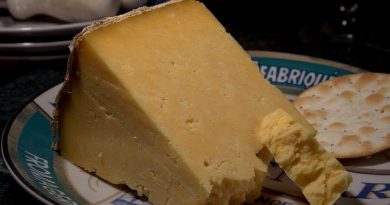
Grana Padano cheese, renowned for its distinctively nutty flavour and granular texture, holds a cherished place in Italian cuisine. In this professional article, we will explore the fascinating history of Grana Padano, discuss its global popularity and varieties, uncover interesting facts, provide storage information, offer cooking tips, and highlight other essential aspects of this esteemed cheese.
History
Grana Padano cheese has a history dating back nearly 1,000 years. It originated in the Po River Valley region of northern Italy, where the monks of Chiaravalle Abbey, near Milan, developed the cheese-making techniques that set the foundation for its creation. The monks sought to produce a cheese that could be aged for an extended period, providing sustenance during long periods of fasting.
The name “Grana Padano” comes from the Italian word “grana,” meaning “grainy,” which refers to the cheese’s characteristic texture, and “Padano,” referring to the Po River Valley region where it was produced. Grana Padano received its Protected Designation of Origin (PDO) status in 1996, recognizing its traditional production methods and specific geographic origin.
Population
Grana Padano cheese is enjoyed by cheese enthusiasts around the world. It is particularly popular in Italy, where it is a staple ingredient in many traditional dishes. However, its reputation as a high-quality cheese has led to its widespread consumption in various countries, making it a beloved choice for cheese connoisseurs worldwide.
Varieties
Grana Padano is produced in different aging stages, each offering distinct flavours and textures. The cheese is classified based on its aging period: “Grana Padano” is aged for a minimum of nine months, “Grana Padano oltre 16 mesi” is aged for over 16 months, and “Grana Padano Riserva” is aged for over 20 months. The longer the aging process, the more pronounced the flavours become and the grainier the texture becomes.
Interesting Facts:
– Grana Padano is made from partially skimmed cow’s milk, which gives it a slightly lower fat content compared to other hard Italian cheeses like Parmigiano Reggiano.
– The production of Grana Padano follows strict regulations, ensuring the cheese’s quality and authenticity. It is made exclusively from milk produced in the designated Po River Valley region and undergoes a meticulous production process.
– Grana Padano is a versatile cheese that can be enjoyed in various ways. It can be grated over pasta dishes, shaved onto salads, or enjoyed on its own, accompanied by fruits, nuts, or a drizzle of honey.
– The aging process of Grana Padano contributes to its unique flavour profile. Over time, the cheese develops complex aromas, including notes of caramel, nuts, and spices.
Storage Information
Proper storage is essential to maintain the quality and flavour of Grana Padano cheese. Here are some storage tips:
– Store Grana Padano in a cool, dry place, away from direct sunlight and strong odours. It is best to wrap the cheese in wax paper or aluminium foil to protect it from air exposure, which can cause it to dry out.
– If a large piece of Grana Padano is purchased, it is advisable to cut off the desired amount and reseal the remaining portion to maintain its freshness. Vacuum-sealing or using airtight containers can help prolong its shelf life.
– Grana Padano can also be stored in the refrigerator, but it is important to bring it to room temperature before serving to enhance its flavours and textures.
Cooking Tips
Grana Padano cheese adds depth and richness to various dishes. Here are some cooking tips to make the most of this flavourful cheese:
– Grate or shave Grana Padano over pasta dishes, risottos, or soups to enhance their flavours. Its nutty and savoury notes complement a wide range of ingredients.
– Use Grana Padano in sauces, such as a classic Alfredo sauce or a creamy cheese sauce for vegetables. It melts beautifully and adds a delightful richness.
– Incorporate Grana Padano into baked dishes, like gratins or savoury tarts. Its robust flavour and ability to develop a golden crust make it a perfect ingredient for these preparations.
Other Important Information
Grana Padano cheese is not only a delicious addition to meals but also a source of essential nutrients. It is rich in protein, calcium, and vitamins, making it a nutritious choice for a balanced diet.
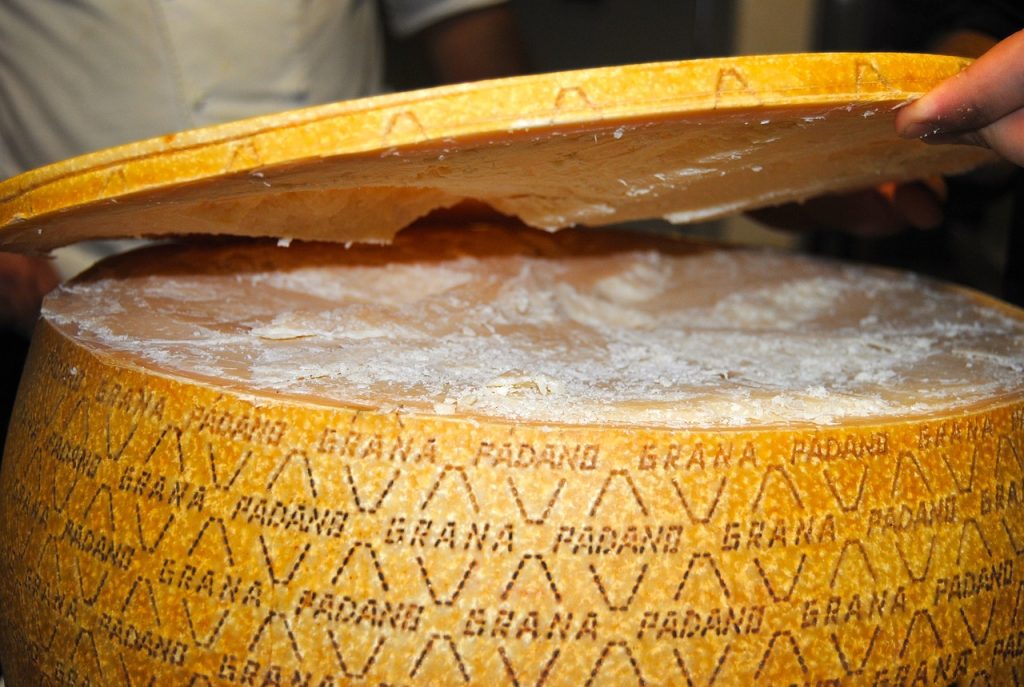
When purchasing Grana Padano, look for the distinctive fire-branded rind, which ensures the cheese’s authenticity and quality. The rind also serves as a protective layer during the aging process, contributing to the cheese’s unique characteristics.
In conclusion, Grana Padano cheese’s long-standing heritage, global popularity, and versatile nature make it a cherished Italian delicacy. Its nutty flavour, grainy texture, and ability to enhance a variety of dishes have cemented its place in culinary traditions worldwide. By understanding its history, varieties, storage requirements, and cooking techniques, you can fully appreciate the exceptional qualities of Grana Padano cheese and elevate your culinary creations with its distinct taste and texture.