Homemade Hummus
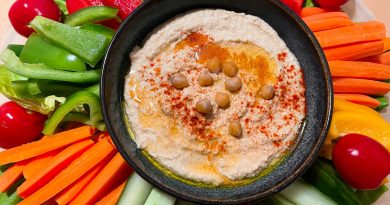
Hummus, the velvety Middle Eastern delight, has transcended its regional roots to become a beloved dip and spread around the globe. This centuries-old creation has captured the hearts and palates of many. Whether you spread it on warm pita bread or serve it as a dip with crisp veggies, the creamy, garlicky goodness of hummus is simply irresistible. In this culinary journey, we’ll explore the history, varieties, and nutritional benefits of hummus before diving into a homemade hummus recipe that will elevate your snacking experience.
A Brief History of Hummus
Hummus, believed to have its origins in the Middle East, is a timeless staple with a fascinating history. Its roots can be traced back to ancient Egypt, where chickpeas were mashed and blended with tahini, garlic, and spices. Over the centuries, hummus has undergone various regional adaptations, each adding its unique twist to the classic recipe. Today, it’s cherished worldwide for its versatility and captivating flavour.
Varieties of Hummus
The world of hummus is a diverse one, with regional influences inspiring a wide range of varieties. Traditional hummus is the classic, creamy blend of chickpeas, tahini, lemon juice, and garlic. However, you’ll also encounter intriguing options like roasted red pepper hummus, roasted garlic hummus, and even edamame hummus, each adding its unique touch to this beloved dip.
Nutritional Benefits
Hummus not only tantalizes the taste buds but also offers a plethora of nutritional benefits. Chickpeas, the main ingredient, provide plant-based protein and fibre, making hummus a healthy and satisfying snack. Tahini, a key component, adds healthy fats and valuable minerals, including calcium and magnesium. With the addition of lemon juice, garlic, and a drizzle of olive oil, hummus becomes a nutrient-rich powerhouse, known for its potential to support heart health and aid in weight management.
Making Your Own Hummus
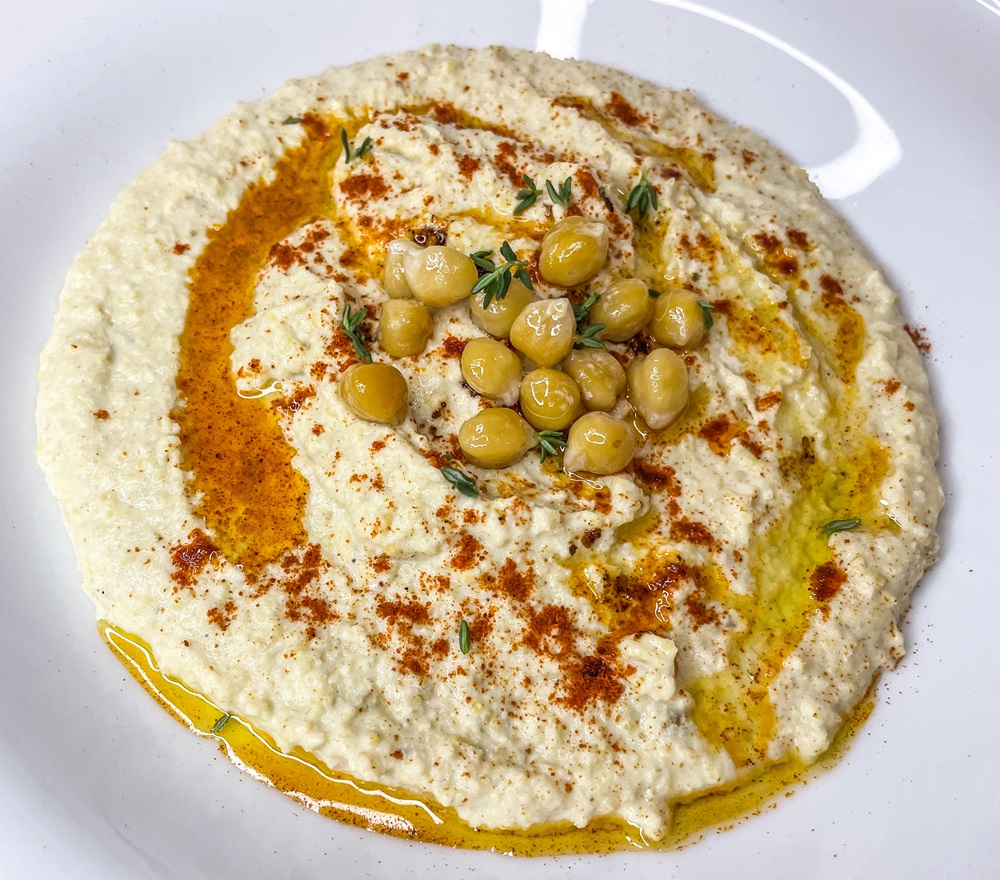
While store-bought hummus is convenient, there’s something truly special about crafting your own at home. Our homemade hummus recipe is a culinary adventure that allows you to control the flavours and textures. Creamy, garlicky, and with a hint of cumin, it’s an experience for the senses. The addition of aquafaba, the liquid from canned chickpeas, provides the perfect consistency.
INGREDIENTS
250 g of cooked chickpeas
60 ml of fresh lemon juice
60 ml of well-stirred tahini
1 small garlic clove, minced
2 tablespoons of extra-virgin olive oil
1/2 teaspoon of ground cumin
Salt to taste
2 to 3 tablespoons of aquafaba* (or water)
Dash ground paprika and a little bit of olive oil for serving
METHOD
1. Combine tahini and fresh lemon juice in a food processor, blending them to perfection.
2. Add olive oil, minced garlic, cumin, and salt, blending until well combined.
3. Incorporate the chickpeas gradually, processing until the mixture is thick and smooth.
4. Adjust the consistency by slowly adding aquafaba or water.
5. Taste for salt and adjust if needed.
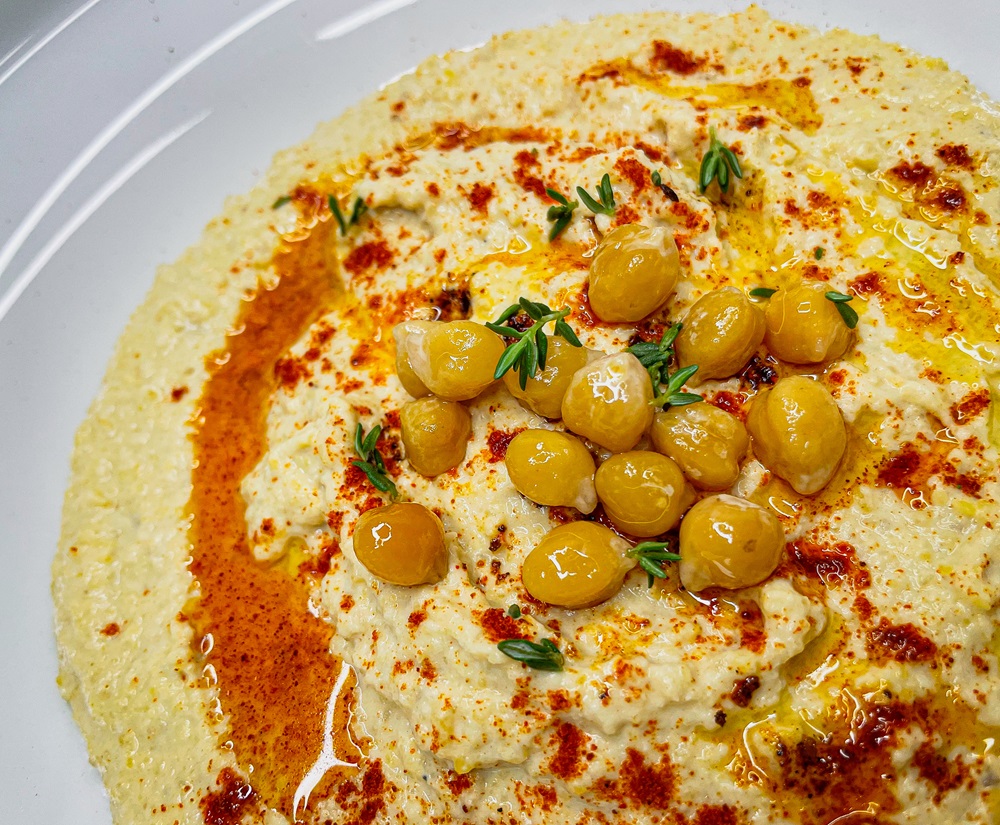
6. Serve with a drizzle of olive oil and a dash of paprika.
Storage
Homemade hummus can be stored in an airtight container in the refrigerator for up to one week.
Now, armed with the knowledge of hummus’s history, its enticing varieties, and its nutritional goodness, you’re ready to embark on a culinary adventure. Try our homemade hummus recipe and savour the creamy delight of this beloved dip, which is sure to become a favourite in your kitchen. Whether for snacking, dipping, or spreading, hummus has an enduring place in the world of gastronomy.
*What Is Aquafaba?
Aquafaba, a versatile and innovative ingredient, is the liquid that results from cooking or canning legumes, most commonly chickpeas. What makes aquafaba truly remarkable is its uncanny ability to mimic the properties of egg whites, particularly in baking and cooking applications. This plant-based alternative has gained significant popularity among the vegan and vegetarian communities, as well as those with egg allergies, as it can be whipped into stiff peaks and used as a binding or leavening agent in various recipes, including meringues, macarons, and even mayonnaise. Its name, derived from the Latin words “aqua” (water) and “faba” (bean), aptly describes this magical liquid that has opened up a world of culinary possibilities for those seeking alternatives to traditional egg-based ingredients.