
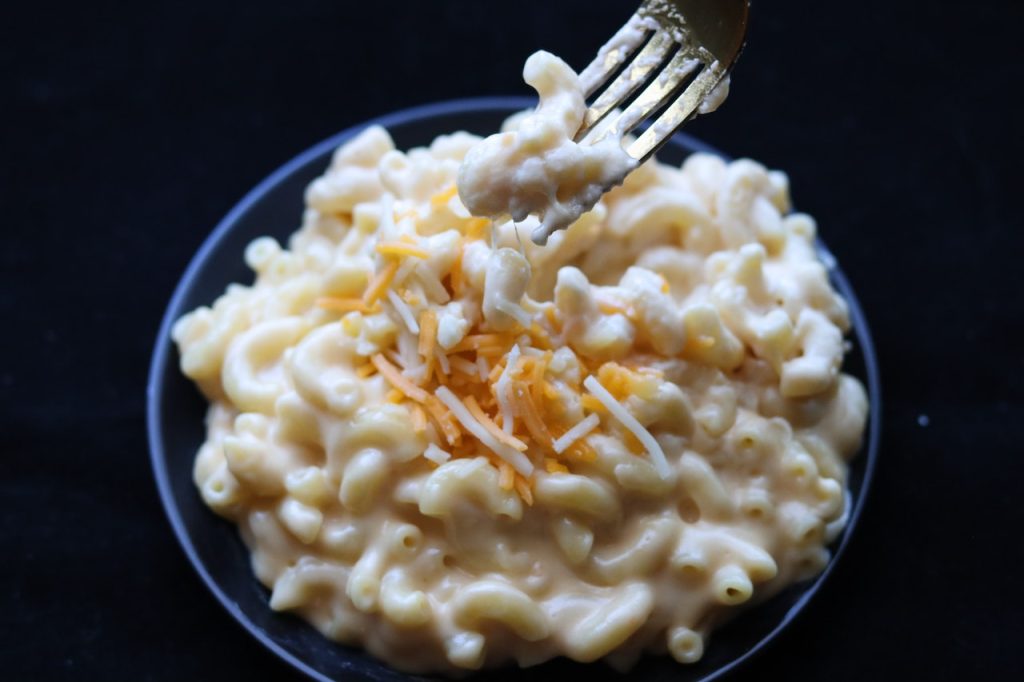
Macaroni Pasta: From Italian Roots to Global Delight
Macaroni pasta, with its versatile and comforting nature, has become a beloved staple in kitchens around the world. Originating from Italy, this pasta variety has a rich history and offers a wide range of possibilities in the culinary realm. In this article, we will delve into the history, origin, features, types, interesting facts, and culinary uses of macaroni pasta, shedding light on its journey from the Italian kitchen to international fame.
History and Origin
Macaroni pasta has its roots deeply embedded in Italian culinary traditions. The word “macaroni” is derived from the Italian term “maccheroni,” which refers to a variety of pasta shapes. The consumption of macaroni dates back to ancient times, with evidence of pasta-like dishes found in Etruscan and Roman civilizations. However, it was during the Renaissance that macaroni gained popularity, particularly in Naples, Italy, where it became a symbol of local cuisine.
Features of Macaroni Pasta
Macaroni pasta is characterized by its tube-like shape, typically with a curved or straight form. It is made from durum wheat semolina, giving it a firm texture that holds up well during cooking. The hollow centre of macaroni allows it to absorb sauces and flavours, making it an excellent choice for a variety of dishes.
Types of Macaroni Pasta
Macaroni pasta encompasses a wide range of shapes and sizes, each offering a unique experience. Some popular types include:
1. Elbow Macaroni: This classic shape features short, curved tubes resembling the shape of an elbow. It is commonly used in macaroni and cheese, pasta salads, and casseroles.
2. Penne: Penne is a cylindrical pasta shape with angled ends, resembling a quill pen. Its ridged surface helps sauces adhere to the pasta, making it a popular choice for baked dishes and hearty sauces.
3. Rigatoni: Rigatoni is a larger tube-shaped pasta with ridges on the outer surface. Its wider diameter and sturdy texture make it ideal for holding robust sauces and fillings.
Interesting Facts:
– Macaroni pasta became popular in the United States during the late 18th century when Thomas Jefferson, an American statesman, introduced it after visiting Italy.
– In the United Kingdom, macaroni became a term used to describe someone who followed European fashion trends and was considered fashionable and sophisticated.
Culinary Uses
Macaroni pasta’s versatility lends itself to countless culinary creations. Here are some popular uses:
1. Mac and Cheese: Macaroni and cheese is a classic dish that showcases the comforting nature of macaroni pasta. It is often combined with a creamy cheese sauce, baked until golden and bubbly.
2. Pasta Salads: Macaroni pasta is a favourite choice for cold pasta salads. Its shape and texture pair well with a variety of vegetables, dressings, and protein, making it a refreshing and satisfying dish.
3. Baked Pasta Dishes: Macaroni pasta serves as an excellent base for baked pasta dishes like baked ziti or pasta bakes. Its ability to hold up to heat and absorb flavours makes it a perfect choice for these hearty and comforting meals.
4. Soups and Stews: Macaroni pasta can be added to soups and stews, providing substance and texture to these comforting dishes.
Macaroni pasta, with its rich history, diverse shapes, and culinary versatility, has become a cherished ingredient in kitchens worldwide. From its Italian origins to its integration into various global cuisines, macaroni pasta continues to bring joy and satisfaction to countless meals. So, whether you’re craving a creamy mac and cheese or a refreshing pasta salad, macaroni pasta is sure to delight your taste buds and bring a touch of comfort to your table.
Note: Experimenting with different sauces, ingredients, and cooking techniques allows for endless creativity when preparing macaroni pasta dishes.

Pingback: A Guide to Pasta Types: Origins, Uses, and Delicious Dishes – FoodLullabies