Mold, Magic, and Maturation: The World of Roquefort Cheese
Nestled within the limestone caves of Roquefort-sur-Soulzon in Southern France, Roquefort emerges as a culinary gem that transcends time. Crafted since the 11th century, this blue cheese, often dubbed the “King of Blues,” boasts a rich history deeply intertwined with the unique geography of its birthplace. From the exclusive use of Lacaune sheep milk to the maturation process within the Combalou caves, Roquefort stands as a testament to centuries of cheese-making expertise. Join us on a journey to unravel the intricate layers of Roquefort, exploring its varieties, interesting facts, storage nuances, and culinary applications that have made it an iconic presence on cheeseboards worldwide.
Population and Cultivation
Roquefort’s unique character is closely tied to its exclusive production region—the Combalou caves in Roquefort-sur-Soulzon. The cheese is crafted exclusively from the milk of Lacaune sheep, a breed indigenous to the region. This geographical indication ensures the distinct flavour profile and quality that define Roquefort.
Varieties and Characteristics
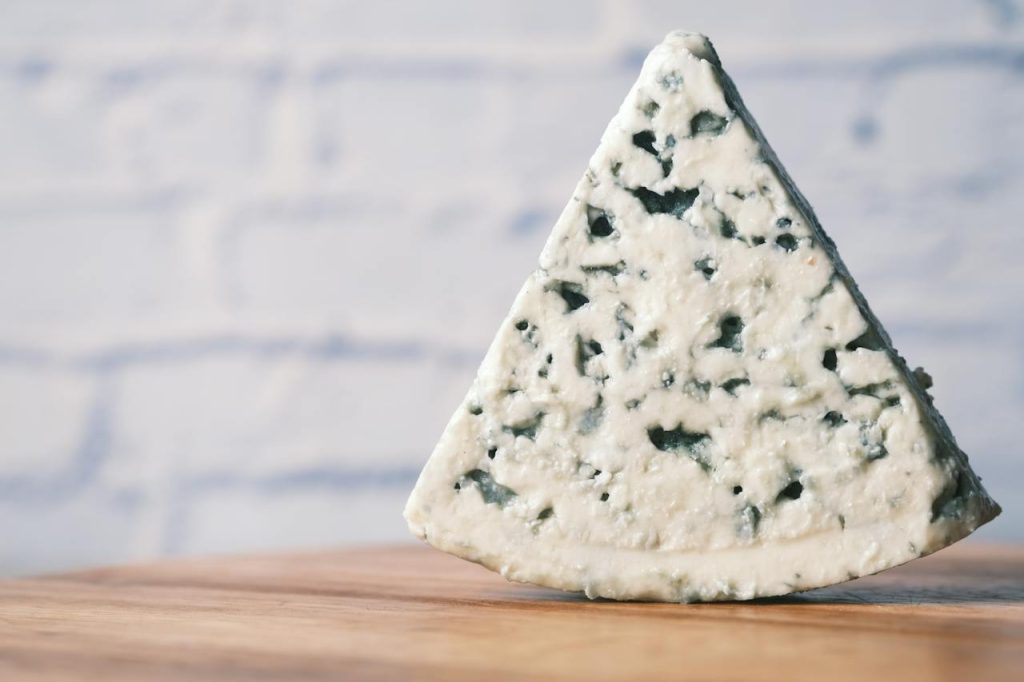
Known for its crumbly texture and intense, tangy flavour, Roquefort boasts distinctive blue-green veins created by the Penicillium roqueforti mold. The cheese’s ivory-coloured interior showcases the intricate balance between creamy and crumbly, making it a sensory delight for connoisseurs.
Interesting Facts
Roquefort’s production involves a unique step—the maturation process within the natural caves of Combalou. The cool, damp conditions in these caves create an ideal environment for the growth of the specific mold that gives Roquefort its characteristic veining and complex flavours.
Storage Information
To preserve Roquefort’s distinctive taste and texture, it’s best stored in the refrigerator. Wrap it in foil or parchment paper to allow the cheese to breathe while preventing it from drying out. Keep it away from strong-smelling foods to prevent flavour absorption.
Cooking Tips
Roquefort’s bold flavour makes it a standout addition to various culinary creations. It can be crumbled over salads, melted into sauces, or spread on crusty bread. Pairing Roquefort with honey, figs, or walnuts enhances its complexity, creating a harmonious balance of sweet and savoury.
Culinary Applications
Beyond being a cheeseboard star, Roquefort adds depth to salads, pasta dishes, and even desserts. Its versatility shines whether incorporated into dressings, sauces, or desserts, offering a gourmet touch to a myriad of culinary delights.
Cultural Significance
Roquefort has earned the prestigious Appellation d’Origine Contrôlée (AOC) status, emphasizing the cheese’s cultural and geographical significance. It holds a special place in French gastronomy, symbolizing centuries of cheese-making heritage.
Roquefort, with its rich history, meticulous craftsmanship, and bold flavours, stands as a pinnacle of blue cheese artistry. From the ancient caves of Southern France to international tables, Roquefort continues to captivate palates with its distinctive character and contribution to the world of gourmet cuisine. Whether enjoyed on its own or as a star ingredient, Roquefort remains an emblem of the enduring legacy of traditional cheese-making.