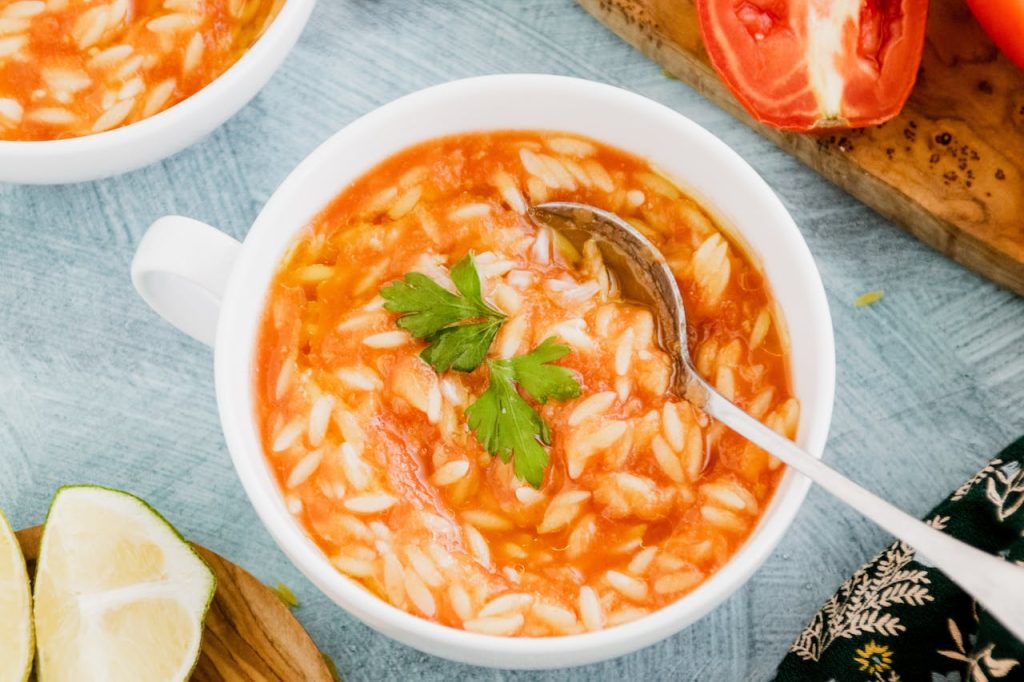
Orzo: The Tiny Pasta with a Big Culinary Impact
History and Origins
Orzo, a small, rice-shaped pasta, has its roots in Italy, where it is believed to have originated in the Middle Ages. The word “orzo” itself means barley in Italian, reflecting its resemblance to the grain. Over the centuries, orzo has become a staple in various Mediterranean cuisines, appreciated for its versatility and ability to complement an array of flavours.
Population and Cultivation
While orzo is not a specific grain but a pasta shape, it has gained immense popularity worldwide. Its production is closely tied to the global demand for pasta, making it a common pantry item in households and a favourite in diverse culinary traditions. Cultivated from durum wheat semolina, orzo exemplifies the enduring love for pasta in cultures beyond its Italian origins.
Varieties and Characteristics
Orzo comes in various forms, with whole wheat and gluten-free options now widely available to cater to diverse dietary preferences. Its unique shape, resembling large grains of rice, makes it an ideal choice for soups, salads, and pilafs. Its small size and ability to absorb flavours make it a versatile ingredient in both hot and cold dishes.
Interesting Facts
Despite its rice-like appearance, orzo is a member of the pasta family. Its compact size allows for quick and even cooking, making it a convenient choice for various recipes. In Italian cuisine, orzo is often used in soups to add substance and texture, showcasing its adaptability in different culinary applications.
Storage Information
To maintain the quality of orzo, store it in a cool, dry place in an airtight container to prevent moisture absorption. Whole wheat orzo, in particular, benefits from refrigeration or freezing to extend its shelf life and preserve its nutritional value.
Cooking Tips
Orzo is a versatile pasta that can be cooked using various methods, including boiling, steaming, or sautéing. For soups, add it directly to the broth, while in salads or side dishes, boiling and then draining it is common. Its small size means it cooks relatively quickly, typically in 8-10 minutes.
Culinary Applications
Orzo’s adaptability shines in a multitude of dishes. From being a comforting addition to soups and stews to starring in refreshing salads or creamy risottos, its ability to absorb flavours and maintain a pleasing texture elevates a range of culinary creations.
Cultural Significance
In Greek and Middle Eastern cuisines, orzo is often featured in dishes like pilafs or casseroles, showcasing its cultural adaptability. Its ability to blend seamlessly with diverse ingredients has made it a beloved component in kitchens around the world.
Orzo, though small in size, packs a punch in the culinary world. From its Italian origins to its widespread popularity today, this versatile pasta shape continues to find its way into kitchens globally. Whether adding heartiness to soups, bringing texture to salads, or standing as a star in its own right, orzo remains a testament to the enduring appeal and adaptability of pasta in our ever-evolving gastronomic landscape.