Sesame Oil: A Flavourful Journey through History and Cuisine
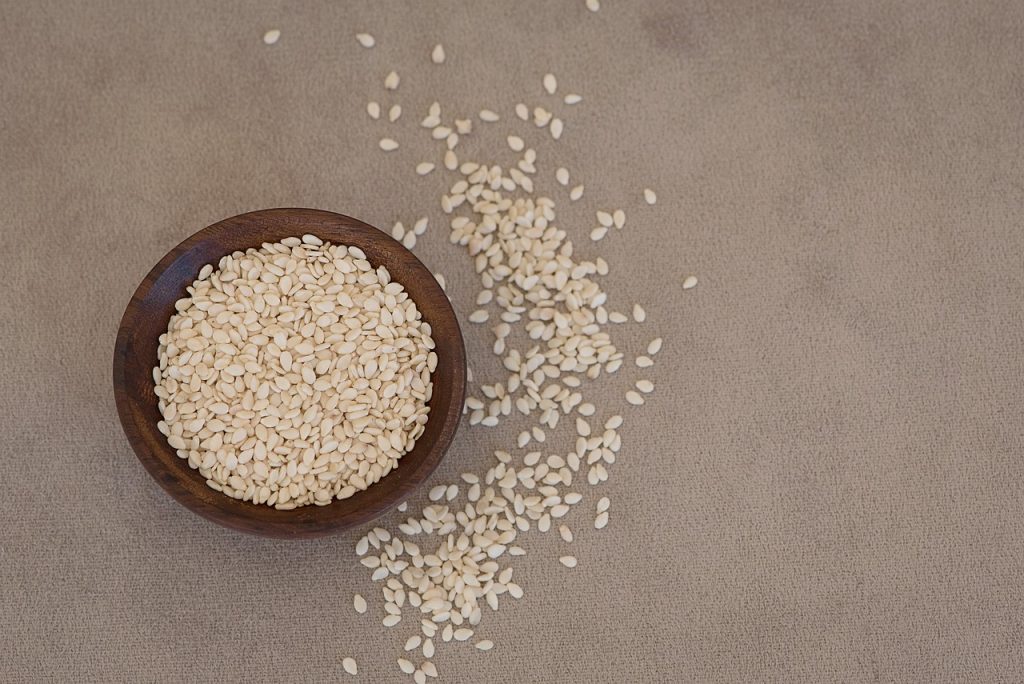
Sesame oil, derived from sesame seeds, is an ancient and versatile culinary ingredient that has been cherished for its rich nutty flavour and numerous health benefits for thousands of years. Let’s take a deep dive into the fascinating history, origin, features, types, interesting facts, and culinary uses of this golden elixir.
History and Origin
Sesame oil has a long and storied history, with its origins dating back to ancient civilizations in Mesopotamia and the Indus Valley. It quickly spread across Asia, becoming a staple in Chinese, Indian, Japanese, and Korean cuisines. The sesame plant is known for its resilience, adaptability, and ability to thrive in diverse climates, making it a valuable crop in many regions.
Features
One of the defining features of sesame oil is its distinctive nutty aroma and flavour. It ranges in colour from pale yellow to deep amber, depending on the roasting process. Cold-pressed varieties are lighter in flavour, while toasted versions offer a more robust and intense taste.
Types
There are two main types of sesame oil: raw (unrefined) and toasted (refined). Raw sesame oil is made from unroasted sesame seeds, resulting in a mild and delicate flavor. It is often used as a finishing oil, adding a subtle nuttiness to dishes. Toasted sesame oil, on the other hand, is made from roasted sesame seeds, giving it a rich, deep flavor that is essential in Asian cooking. It is commonly used for stir-frying, marinades, dressings, and dipping sauces.
Interesting Facts:
– Sesame oil has been used in traditional medicine for its potential health benefits, including anti-inflammatory properties, promoting heart health, and supporting digestive health.
– The sesame plant is one of the oldest oilseed crops in the world, dating back over 3,500 years.
– Sesame oil is highly resistant to spoilage due to its natural antioxidants, making it suitable for long-term storage.
Culinary Uses
Sesame oil is a versatile ingredient that adds depth and complexity to a wide range of dishes. In Chinese cuisine, it is a key component in stir-fries, noodle dishes, and sauces like hoisin and black bean. In Japanese cuisine, it is used to enhance the flavours of sushi, tempura, and salad dressings. In Korean cuisine, it is a vital ingredient in marinades, stews, and dipping sauces. Sesame oil also pairs well with vegetables, grains, and salads, adding a delightful nutty flavour.
In conclusion, sesame oil is not only a culinary superstar but also a fascinating ingredient with a rich history and remarkable versatility. Its unique nutty taste, along with its health benefits, has made it a beloved staple in kitchens around the world. So, why not embark on a flavourful journey and explore the wonders of sesame oil in your own culinary creations? Your taste buds will thank you!