The Stilton Cheese Saga: A Gourmet Odyssey
Stilton cheese, often hailed as the “King of English Cheeses,” stands as an iconic symbol of Britain’s rich cheese-making tradition. With its centuries-old history, distinctive blue veins, and a flavour profile that dances between creamy and piquant, Stilton is a cheese connoisseur’s delight. In this comprehensive exploration, we’ll embark on a journey through the annals of Stilton’s history, its devoted population, a look into the varieties it offers, fascinating facts that will deepen your appreciation, storage tips to savour its excellence, and expert insights into cooking with this beloved cheese.
A Glimpse into History
Stilton’s roots extend deep into English history, with origins dating back to the 18th century. This cheese is said to have been crafted by Frances Pawlett, a remarkable English cheese producer. It quickly garnered acclaim for its unique flavour and became synonymous with the village of Stilton, Cambridgeshire, where it was famously sold at The Bell Inn, making it one of the first recorded cheeses to be commercialized.
The Devoted Population
Stilton cheese has a devoted following, both within the United Kingdom and around the world. Its complex flavours and luxurious texture have earned it a place in the hearts of many. While the production of Stilton is limited to specific dairies in Derbyshire, Leicestershire, and Nottinghamshire, its appeal extends globally, making it one of the most recognized English cheeses.
Varieties of Stilton
There are two principal varieties of Stilton cheese:
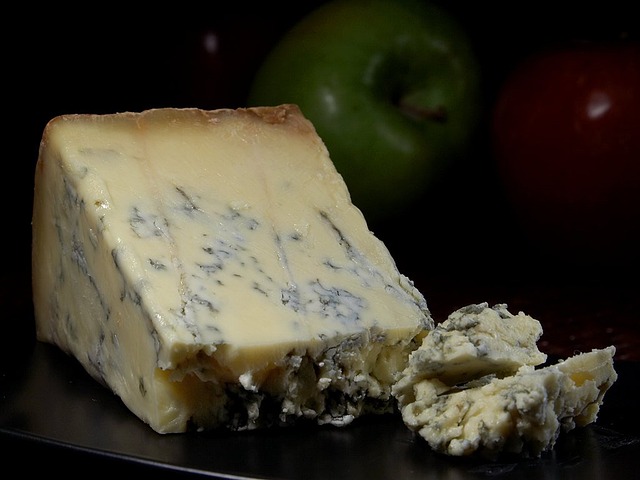
Blue Stilton: This is the most famous and recognized variety, characterized by its crumbly yet creamy texture and the distinctive blue veins that run through it. It boasts a robust and complex flavour profile with hints of earthiness and a delightful tang. The blue veins, created by the Penicillium roqueforti mold, contribute to the cheese’s characteristic aroma and taste.
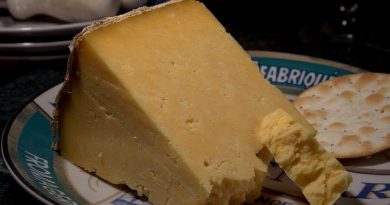
White Stilton: Unlike its blue counterpart, White Stilton lacks the blue veins and is known for its milder, buttery, and creamy characteristics. Often paired with sweet additions like fruits or ginger, White Stilton provides a versatile and delectable canvas for culinary experimentation.
Interesting Facts
Protected Designation of Origin (PDO): In 1996, Stilton cheese received the PDO status, recognizing it as a product of specific geographic regions and subject to strict production regulations. This designation ensures that only cheeses crafted in designated dairies within Derbyshire, Leicestershire, and Nottinghamshire bear the name “Stilton.”
Hand-ladled Curds: The traditional production of Stilton involves hand-ladling the curds into cylindrical molds, a meticulous process that contributes to the cheese’s creamy and crumbly texture.
Flavour Evolution: Stilton’s flavour profile matures as it ages. Younger Stilton is milder and creamier, while older versions develop a more intense, tangy, and crumbly character.
Storage Information
Proper storage is essential to preserve Stilton’s flavour and texture:
Refrigeration: Store Stilton cheese in the refrigerator at a temperature between 4-8°C (39-46°F). Keep it in an airtight container or wrap it in wax paper, followed by plastic wrap to prevent strong odours from affecting the cheese.
Airflow: Allow the cheese to breathe by placing it in the refrigerator’s vegetable crisper drawer or in a cheese storage container with ventilation holes.
Moisture Control: To prevent the cheese from drying out, place a damp paper towel or cloth in the container. Remember to replace it when it dries to maintain the cheese’s moisture.
Cooking Tips
Stilton cheese adds a burst of flavour to a wide array of dishes. Here are some cooking tips to enhance your culinary creations:
Cheeseboards: Serve Stilton on cheeseboards alongside crackers, fresh fruits, and nuts. Its complex flavours pair well with the sweetness of dried figs or honey.
Sauces and Soups: Melt Stilton into creamy sauces or soups to add depth and a delightful tang. It works brilliantly in pasta dishes, such as a creamy Gorgonzola sauce for gnocchi.
Stilton and Beef: The classic combination of Stilton and beef is a match made in culinary heaven. Crumble Stilton over a juicy steak or incorporate it into a beef Wellington for an indulgent twist.
Desserts: White Stilton pairs beautifully with sweet dishes. Try it with fresh berries or use it to create a luscious cheesecake.
Stilton cheese, with its storied history, devoted population, distinct varieties, and intriguing culinary versatility, is a testament to the art and tradition of cheese-making. The tangy, creamy, and crumbly wonder that is Stilton has earned its place on the world stage of gourmet cheeses. By understanding its history, varieties, and proper storage, and by exploring innovative cooking applications, you can fully appreciate the richness and versatility of Stilton cheese. Whether enjoyed on its own, as a part of a delicious dish, or paired with wine, Stilton is a true gem in the world of culinary delights, and a testament to the craft and dedication of cheesemakers through the ages.