
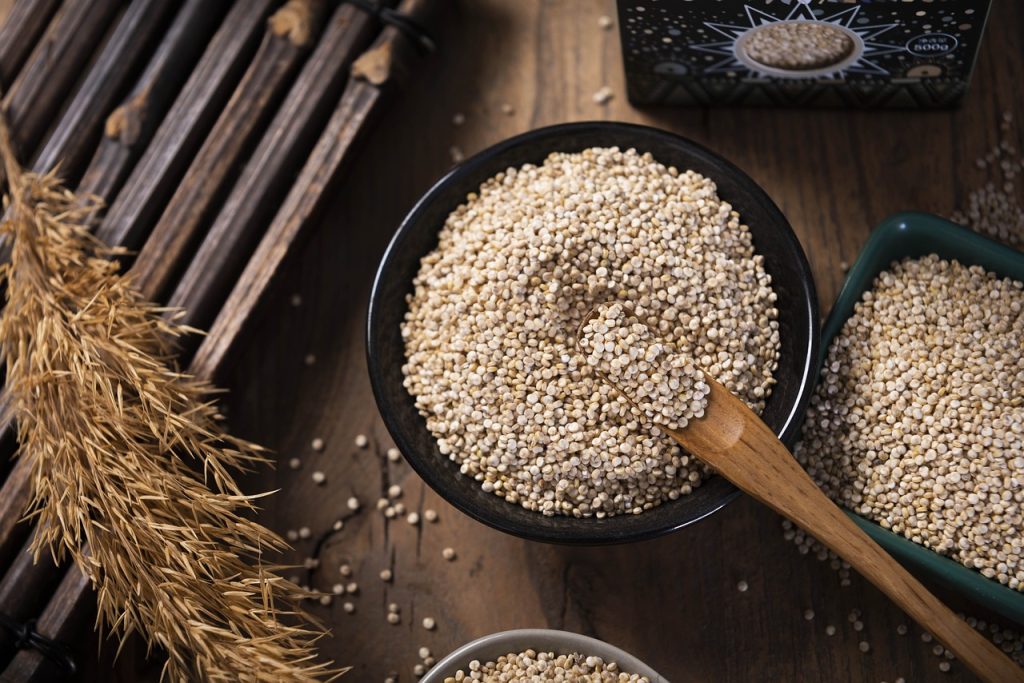
Unveiling the Nutritional Marvel: A Comprehensive Exploration of Quinoa
In the realm of nutritional powerhouses, quinoa stands as a versatile and nutrient-dense grain, captivating the taste buds of health-conscious individuals around the globe. Originating from the Andean region of South America, this ancient grain has a rich history dating back thousands of years. As we embark on a journey through the realms of history, cultivation, varieties, and culinary applications, we unravel the fascinating story of quinoa – a grain that has transcended cultural boundaries to become a staple in modern diets.
Historical Roots and Cultivation
Quinoa, scientifically known as Chenopodium quinoa, boasts a history deeply rooted in the agricultural practices of the Andean civilizations, particularly in Peru, Bolivia, Ecuador, and Colombia. Revered as a sacred crop by the Incas, quinoa sustained their armies, and its cultivation was intricately woven into religious ceremonies. Despite facing near extinction during the Spanish conquest, quinoa persisted in the Andean highlands. In recent decades, its cultivation has expanded globally, with countries such as the United States, Canada, and various European nations embracing this nutrient-rich grain.
Population and Varieties
The popularity of quinoa has surged in response to the growing demand for nutritious, gluten-free alternatives. The plant’s adaptability to diverse climates has facilitated its cultivation in various regions worldwide. Quinoa belongs to the Amaranthaceae family and comes in several varieties, each offering unique colours, textures, and flavour profiles. Common varieties include white, red, and black quinoa, with each type bringing its own distinct characteristics to the table.
Nutritional Profile and Health Benefits
Quinoa’s exceptional nutritional profile contributes to its reputation as a superfood. Packed with protein, quinoa contains all nine essential amino acids, making it a complete protein source – a rarity among plant-based foods. It is also rich in fibre, vitamins (such as B vitamins), minerals (like magnesium and iron), and antioxidants. The combination of these nutrients supports a range of health benefits, including improved digestion, enhanced energy levels, and better heart health.
Storage and Interesting Facts
Proper storage is key to preserving the freshness and nutritional integrity of quinoa. Kept in an airtight container in a cool, dark place, quinoa can maintain its quality for an extended period. Interestingly, quinoa seeds feature a natural coating called saponin, which can impart a bitter taste. Rinsing the seeds before cooking removes this coating, revealing the grain’s true, mild flavour. Moreover, quinoa is not only gluten-free but also considered a low-glycaemic index food, making it suitable for individuals with gluten sensitivities or those aiming to manage blood sugar levels.
Cooking Tips and Culinary Versatility
Cooking quinoa is a straightforward process, requiring a 2:1 ratio of water to quinoa. Bringing the mixture to a boil, then simmering for 15-20 minutes, results in fluffy, light grains. Quinoa serves as a canvas for culinary creativity, adapting seamlessly to various dishes. From salads and bowls to soups and breakfast porridges, the versatility of quinoa allows it to effortlessly elevate the nutritional content of diverse recipes.
In conclusion, quinoa’s remarkable journey from ancient Andean civilizations to contemporary kitchens worldwide is a testament to its enduring appeal. As a nutrient-packed grain with a rich history, diverse varieties, and culinary flexibility, quinoa continues to play a vital role in promoting health and well-being. Whether you are a culinary enthusiast or a health-conscious consumer, incorporating quinoa into your diet unveils a world of flavours, textures, and nutritional benefits that transcend cultural boundaries and stand the test of time.