
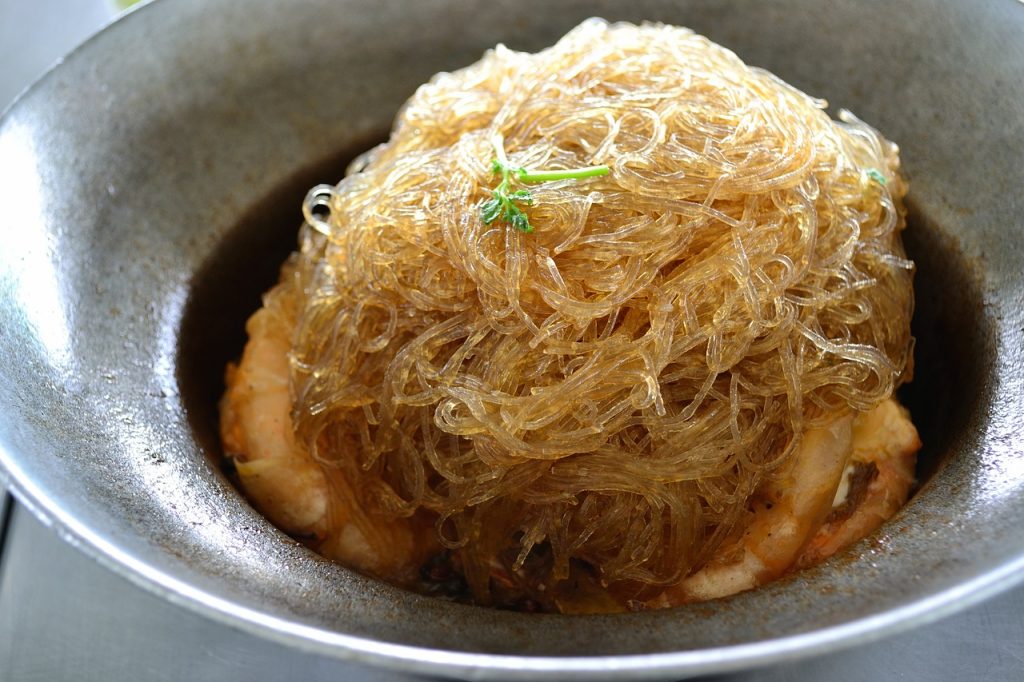
Vermicelli: The Delicate Threads of Culinary Delight
Vermicelli, those slender and delicate threads of pasta-like goodness, have been a beloved ingredient in cuisines around the world for centuries. With its rich history, diverse origins, and versatile nature, vermicelli has found its way into countless culinary creations. Join us as we explore the fascinating journey of vermicelli, from its ancient roots to its various types, culinary uses, and global popularity.
History and Origin
Vermicelli, which means “little worms” in Italian, has a history that dates back to ancient times. Its origins can be traced to the Mediterranean region, where it was believed to have been introduced by the Arabs during their conquests. From there, vermicelli spread throughout Europe and Asia, becoming an integral part of many traditional dishes.
Features and Types
Vermicelli is a type of pasta that is characterized by its thin, rod-shaped strands. It is typically made from wheat flour, although variations using rice, mung bean, or other grains can also be found. The texture of vermicelli can range from soft and tender to slightly chewy, depending on the cooking time and thickness.
Several types of vermicelli are popular across different cultures:
1. Italian Vermicelli: In Italian cuisine, vermicelli refers to thin spaghetti-like pasta. It is commonly used in soups, as well as in pasta dishes with light sauces or seafood.
2. Asian Rice Vermicelli: Rice vermicelli, also known as rice noodles, is a staple in Southeast Asian cuisines. Made from rice flour, these translucent noodles are often used in stir-fries, soups, salads, and spring rolls.
3. Indian Seviyan: Seviyan, or vermicelli in Hindi, is a staple in Indian desserts. It is commonly used to make sweet dishes like kheer (a rice pudding-like dessert), as well as savoury dishes like upma (a spiced semolina dish).
Whereabouts
Vermicelli is consumed and appreciated across the globe, making its presence felt in a multitude of cuisines. It is particularly popular in countries such as Italy, China, India, Thailand, Vietnam, and the Middle Eastern nations. Each region has its own unique way of incorporating vermicelli into their traditional dishes, showcasing the versatility and adaptability of this humble ingredient.
Culinary Uses
Vermicelli’s versatility lends itself to a wide range of culinary applications:
– Soups and Broths: Vermicelli adds a delightful texture and absorbs flavours beautifully in broths and soups, such as Vietnamese pho or Italian minestrone.
– Stir-Fries and Noodle Dishes: Rice vermicelli is perfect for stir-fries, noodle bowls, and pad Thai, absorbing the flavours of the accompanying ingredients.
– Salads and Cold Dishes: Vermicelli can be used as a base for refreshing salads, such as the famous Thai glass noodle salad or Italian pasta salads.
– Sweet Desserts: In many cultures, vermicelli is transformed into delectable desserts like Indian seviyan kheer, Turkish şekerpare, or Middle Eastern kunafa.
Vermicelli, with its delicate strands and versatile nature, has become a beloved ingredient in cuisines around the world. Its journey from ancient times to modern-day kitchens showcases its adaptability and ability to enhance a wide range of dishes, from savoury to sweet. So, whether you’re savouring a comforting bowl of soup, enjoying a vibrant stir-fry, or indulging in a sweet dessert, vermicelli is sure to bring a touch of culinary delight to your plate.

Pingback: A Guide to Pasta Types: Origins, Uses, and Delicious Dishes – FoodLullabies