
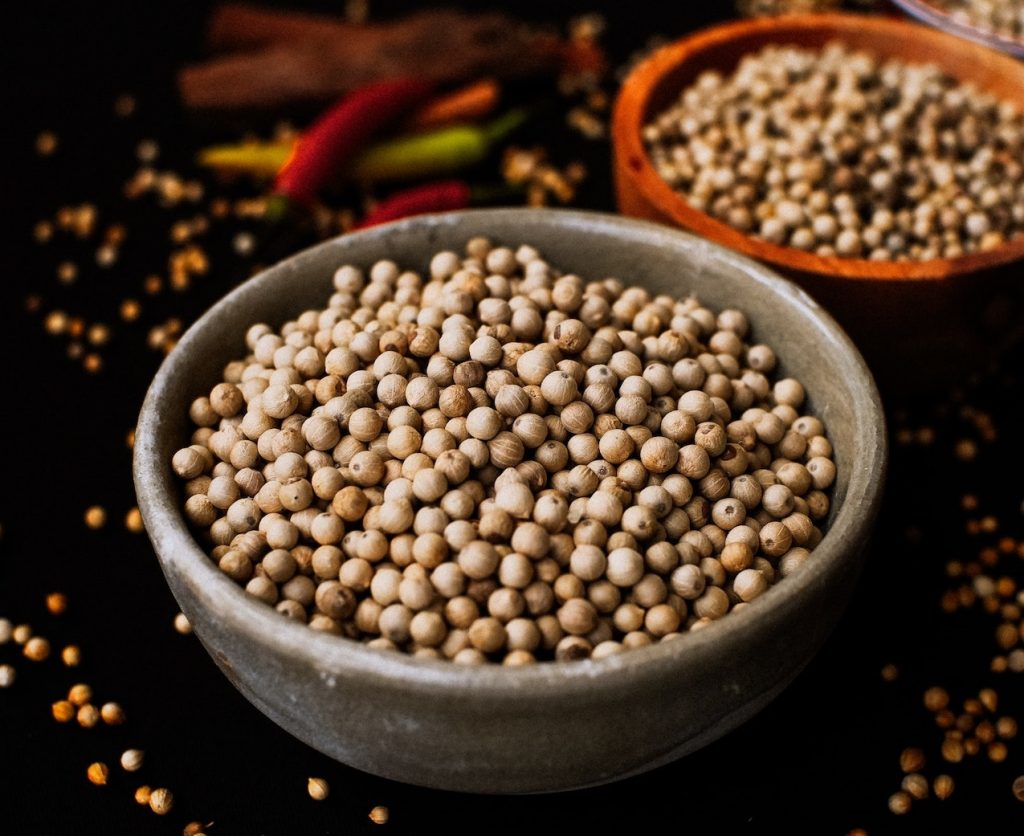
White Pepper: The Subtle Spice with a Flavourful Story
White pepper, known for its distinct flavour and subtle heat, has been an essential spice in kitchens around the world for centuries. Originating from Southeast Asia, this spice has a rich history and offers a unique twist to various culinary creations. In this article, we will explore the history, origin, features, types, whereabouts, and culinary uses of white pepper, shedding light on its fascinating journey from the pepper vine to our plates.
History and Origin
White pepper has a storied past that dates back thousands of years. It is believed to have originated in the region of Southeast Asia, specifically in the tropical forests of Vietnam and Indonesia. Traders from the ancient civilizations of India and China brought white pepper to the West, where it quickly gained popularity as a valuable spice.
Features of White Pepper
White pepper is derived from the same plant as black pepper, known as Piper nigrum. The difference lies in the processing method. White pepper is made by removing the outer layer of the peppercorn, revealing the inner seed. This process gives white pepper a milder and less pungent flavour compared to black pepper, while still retaining its characteristic heat.
Types of White Pepper
There are two primary types of white pepper: ground white pepper and whole white peppercorns. Ground white pepper is a fine powder that is commonly used in cooking and seasoning. Whole white peppercorns, on the other hand, are used in dishes where a more pronounced flavour and texture are desired, such as in marinades or pickling.
Culinary Uses
White pepper’s unique flavour profile makes it a versatile spice in the culinary world. Here are some popular culinary uses of white pepper:
1. Seasoning: White pepper adds a subtle heat and depth of flavour to a wide range of dishes, including soups, sauces, marinades, and meat rubs. Its mild taste allows other flavours to shine while providing a gentle kick.
2. Asian Cuisine: White pepper is a staple in many Asian cuisines, including Chinese, Thai, and Vietnamese. It is often used in stir-fries, noodles, and savoury sauces, imparting a distinctive taste that complements the ingredients.
3. Creamy Dishes: White pepper is commonly used in creamy dishes such as mashed potatoes, creamy soups, and white sauces. Its subtle heat enhances the flavours without overpowering the dish.
4. Pickling: Whole white peppercorns are often used in pickling brines, adding a subtle spiciness to pickled vegetables and fruits.
White pepper, with its mild flavour and subtle heat, adds a unique touch to a variety of culinary creations. Its rich history, originating from Southeast Asia, has made it an integral part of many global cuisines. Whether you’re a fan of Asian dishes, creamy sauces, or simply looking to enhance the flavours of your favourite recipes, white pepper offers a versatile and distinctive flavour profile that is sure to delight your taste buds.
So, next time you’re in the kitchen, consider reaching for white pepper and embark on a culinary adventure that celebrates the subtleties of this remarkable spice.
Note: As with any spice, it’s important to use white pepper in moderation according to personal taste preferences.



Pingback: An Exploration of Pepper Varieties: From Black to Sichuan – FoodLullabies