Ziti Pasta: Exploring the Tube-shaped Wonder of Italian Cuisine
In the world of pasta, few varieties have achieved the iconic status of Ziti. This tubular pasta, with its versatile shape and ability to hold sauces, has become a beloved ingredient in countless Italian dishes. In this comprehensive article, we will delve into the history, population, fun facts, culinary uses, and tips for incorporating Ziti Pasta into your culinary repertoire. Join us as we embark on a journey to discover the wonders of this classic Italian staple!
History and Population
Ziti Pasta has a rich history rooted in Italian culinary traditions. Its origins can be traced back to the ancient Etruscans, who were known for their mastery of pasta-making. Over time, Ziti gained popularity throughout Italy and eventually spread to other parts of the world, becoming a beloved pasta shape in various cuisines.
Fun Facts about Ziti Pasta:
1. Tubular Delight: Ziti is characterized by its cylindrical shape and smooth texture. The name “Ziti” comes from the Italian word “zito,” meaning “bridegroom,” which is believed to represent the pasta’s traditional use in wedding banquets.
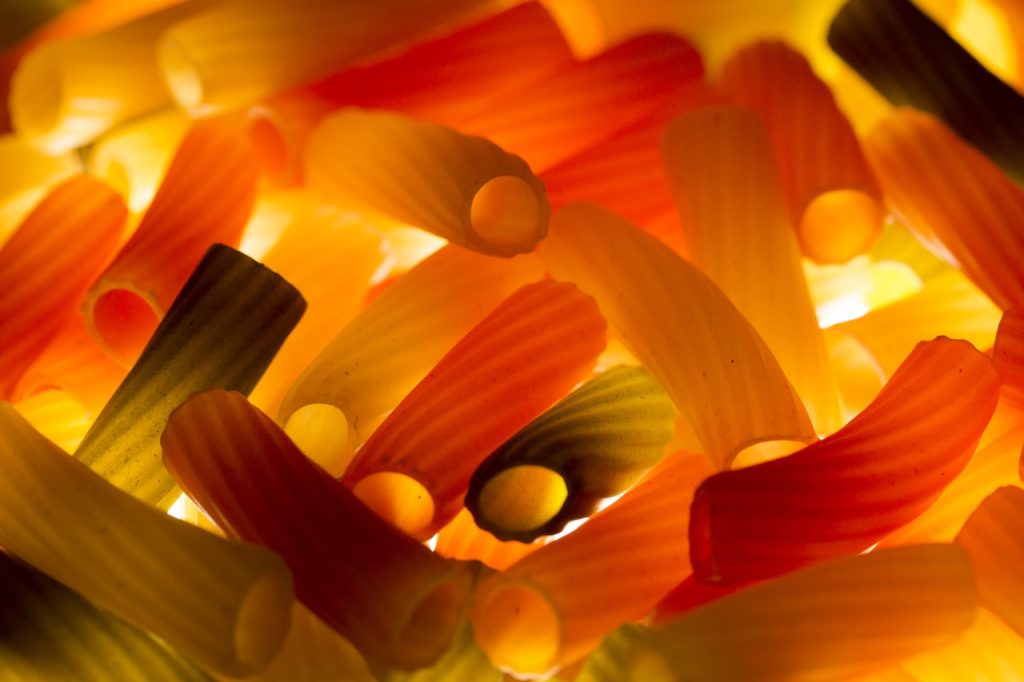
2. Versatile and Adaptable: Ziti’s hollow centre and ridged surface make it perfect for holding sauces, making it a popular choice for baked pasta dishes. Its shape also allows it to pair well with a variety of ingredients, from rich meat sauces to lighter vegetable-based creations.
3. Regional Variations: While Ziti is widely recognized as a classic Italian pasta, there are regional variations in Italy. In the Naples region, for example, Ziti is often referred to as “Ziti Napoletani” and is traditionally served with a meat ragu and ricotta cheese.
Culinary Uses and Tips
Ziti Pasta offers a plethora of culinary possibilities. Here are some popular ways to enjoy this versatile pasta shape:
1. Baked Pasta Dishes: Ziti is a star in baked pasta dishes, such as Baked Ziti. The hollow centre of the pasta allows it to capture the flavours of the sauce, while its ridges provide texture and create pockets for melted cheese.
2. Pasta Salads: Ziti works beautifully in cold pasta salads. Its sturdy shape holds up well to dressings and ingredients, making it a great choice for picnics, potlucks, or as a refreshing side dish.
3. Stuffed Pasta: Ziti can be stuffed with various fillings, such as cheese, meat, or vegetables, to create delightful pasta tubes. These stuffed Ziti can be baked with sauce and cheese for a delicious and comforting meal.
4. Stir-Fries and Casseroles: The versatility of Ziti extends beyond traditional Italian dishes. It can be used in stir-fries, casseroles, or even in Asian-inspired noodle dishes, bringing a unique twist to your culinary creations.
Tips for Cooking Ziti Pasta:
– Cook Ziti al dente, which means it should have a slight bite to it. Follow the instructions on the package for cooking time but taste the pasta a minute or two before the suggested time to ensure it is cooked to your liking.
– Stir the pasta occasionally while it cooks to prevent it from sticking together.
– After cooking, rinse Ziti with cold water to stop the cooking process and prevent it from becoming too soft.
– Toss cooked Ziti with a little olive oil to prevent it from sticking together before incorporating it into your recipe.
Ziti Pasta, with its versatile shape and ability to hold sauces, is a classic Italian staple that has won the hearts of many pasta lovers. Whether baked, stuffed, or used in cold pasta salads, Ziti brings a delightful combination of texture, flavour, and versatility to a wide range of dishes. Embrace the legacy of this iconic pasta shape and let it elevate your culinary creations to new heights of deliciousness. Buon appetito!
Note: Cooking times and methods may vary depending on the brand and type of Ziti Pasta used. It is always advisable to follow the instructions on the package and adjust cooking times according to personal preference.