
Wild Rice: A Nutritious and Flavourful Delicacy
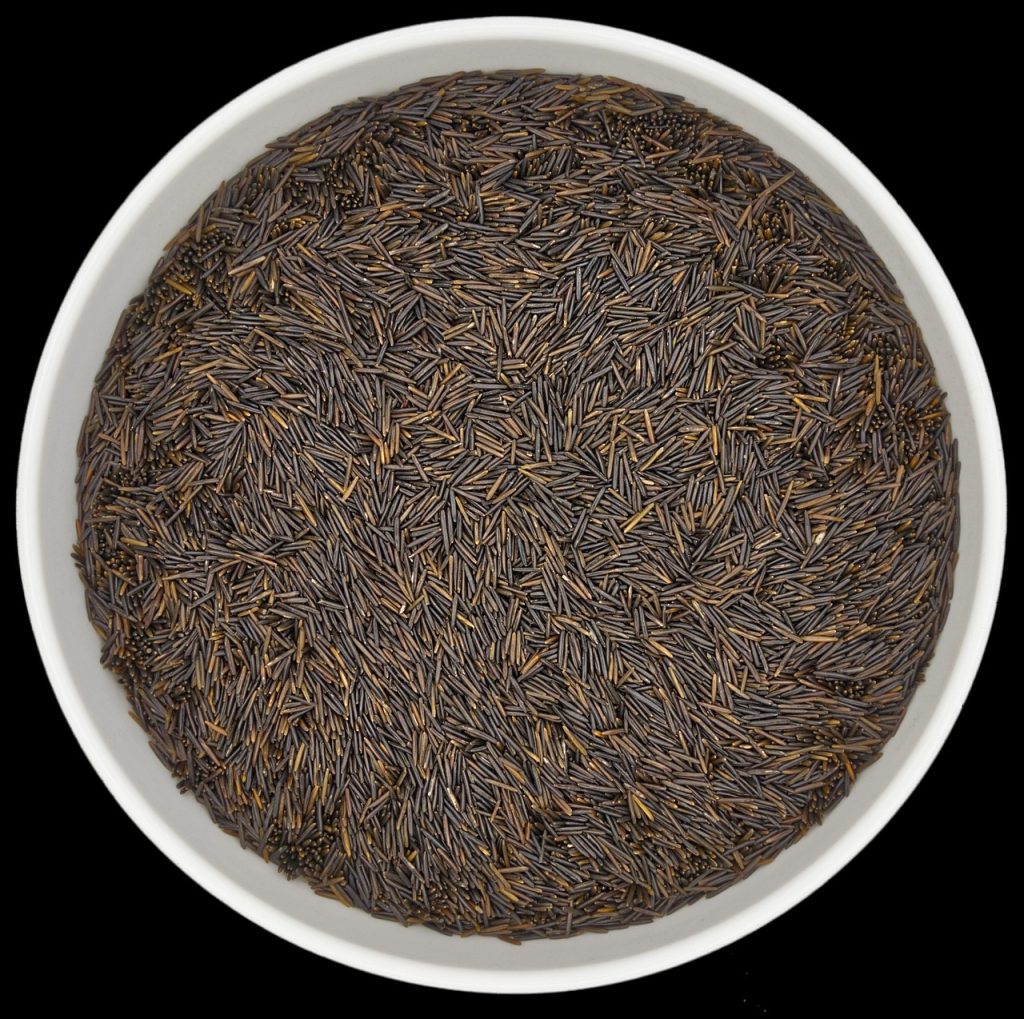
Wild rice, with its distinct nutty flavour and chewy texture, is a culinary treasure that has been enjoyed for centuries. This unique grain, native to North America, holds a rich history and offers a variety of health benefits. Join us as we delve into the origins, features, types, whereabouts, and culinary uses of wild rice. Discover why this ancient grain continues to captivate taste buds and add a touch of elegance to your dining experience.
History and Origin
Wild rice, scientifically known as Zizania, has deep roots in Native American culture. It was a staple food for tribes in the Great Lakes region, particularly the Ojibwe, Menominee, and Sioux. Traditionally harvested from natural bodies of water, wild rice played a significant role in their diet and cultural ceremonies. Today, it remains an important symbol of Native American heritage and is cultivated in both the United States and Canada.
Features and Nutritional Benefits
Unlike other types of rice, wild rice is not actually rice but a type of grass seed. It boasts a unique combination of flavours, including a nutty taste with hints of roasted grains. Besides its delightful flavour, wild rice is also highly nutritious. It is a good source of dietary fibre, protein, essential minerals like magnesium and phosphorus, and B vitamins. Additionally, wild rice is gluten-free, making it suitable for those with gluten sensitivities or celiac disease.
Types of Wild Rice:
1. Native Wild Rice: This variety grows naturally in lakes, rivers, and wetlands. It has a dark brown to black colour and a robust, earthy flavour.
2. Cultivated Wild Rice: Cultivated wild rice is grown in man-made paddies that mimic its natural habitat. It is typically lighter in colour and has a milder taste compared to native wild rice.
Whereabouts
Wild rice is predominantly cultivated in the northern regions of the United States and Canada. The primary growing areas include Minnesota, Wisconsin, and California in the United States, as well as Manitoba and Ontario in Canada. These regions offer the ideal climate and fertile soil conditions necessary for wild rice cultivation.
Culinary Uses
Wild rice is a versatile ingredient that can be used in various dishes to add depth and texture. It pairs well with both savoury and sweet flavours, making it suitable for a wide range of culinary creations. Some popular uses of wild rice include:
– Soups and stews: Its hearty texture and nutty flavour make wild rice the perfect addition to comforting soups and stews.
– Pilafs and side dishes: Wild rice can be cooked with aromatic vegetables and herbs to create flavourful pilafs or served as a nutritious side dish.
– Salads: Incorporate cooked wild rice into vibrant salads for added texture and a unique taste.
– Stuffings: Use wild rice as a base for stuffing vegetables, poultry, or game meats for a delicious twist.
Wild rice, with its rich history, nutty flavour, and impressive nutritional profile, is a true culinary gem. Its versatility allows for endless possibilities in the kitchen, from savoury dishes to sweet delights. Whether you’re exploring Native American traditions or simply seeking a wholesome addition to your meals, wild rice is sure to impress. So, embrace the heritage and savour the flavours of this ancient grain that continues to captivate taste buds around the world.
Pingback: Rice: A Timeless Grain That Nourishes and Unites – FoodLullabies