
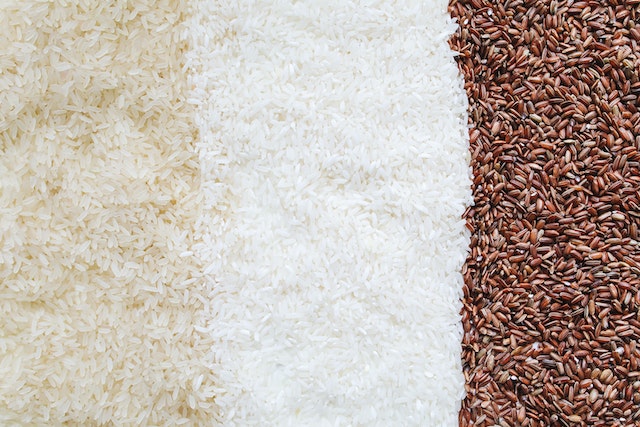
Rice: A Timeless Grain That Nourishes and Unites
Rice, a humble grain that has stood the test of time, holds a special place in the hearts and plates of people around the world. This versatile staple has a rich history, fascinating origins, and an array of interesting facts that make it a fascinating subject of study. From its ancient beginnings to its modern-day significance, rice has not only nourished countless generations but also brought people together through shared meals and cultural traditions. In this comprehensive article, we will delve into the captivating world of rice, exploring its history, origin, intriguing facts, nutritional value, cooking techniques, and handy hacks that will elevate your rice game to new heights.
The Historical Journey and Origins of Rice
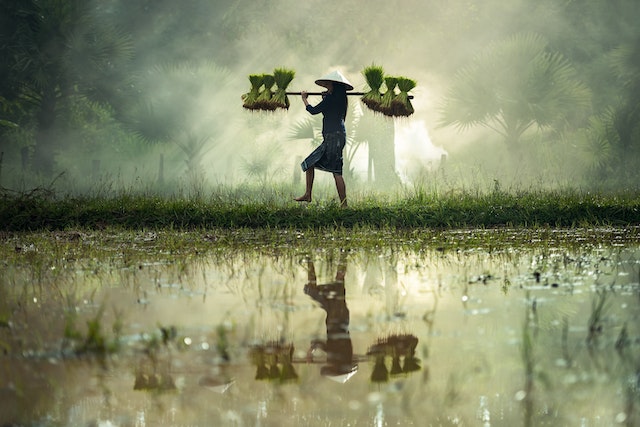
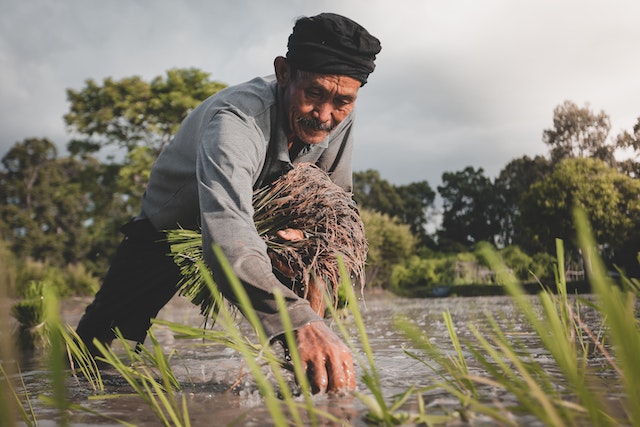
Rice cultivation has ancient roots, believed to have originated in China around 5000 BC. From there, it spread across Asia, eventually reaching the Indian subcontinent and the Middle East. The introduction of rice to the African continent and the Americas occurred through trade and exploration, marking the global expansion of this remarkable grain.
Interesting Rice Facts
Did you know that rice is the staple food for more than half of the world’s population? This grain plays a vital role in the cuisines of numerous countries, from India and China to Italy and the United States. Rice also holds cultural significance, symbolizing prosperity, fertility, and hospitality in many societies.
Nutritional Value and Health Benefits
Rice is not just a filling carbohydrate; it also offers essential nutrients. It is a good source of energy, providing complex carbohydrates that fuel our bodies. Additionally, rice contains vitamins, minerals, and dietary fibre. Brown rice, in particular, retains the bran and germ layers, making it a more nutritious choice than its refined white counterpart.
Cooking Techniques and Hacks
Cooking rice to perfection can be a culinary art. Whether you prefer fluffy grains or sticky textures, there are various cooking techniques to achieve your desired results. From absorption methods to rice cookers, each approach offers its own advantages. Additionally, we will share some handy hacks, such as rinsing rice to remove excess starch, using the right water-to-rice ratio, and allowing rice to rest before serving, all of which can greatly enhance your rice-cooking skills.
Exploring Rice Varieties and Their Uses
Rice comes in a multitude of varieties, each with its own unique characteristics, origins, and culinary applications. From fragrant Basmati rice originating in the Indian subcontinent to sticky sushi rice essential for Japanese cuisine, we will explore the diverse world of rice. Learn about the nutty flavours of wild rice, the creamy texture of Arborio rice for risottos, the striking colours of black and red rice, and the versatility of rice blends. Discover the origins and main uses of each variety, expanding your culinary repertoire and adding depth to your meals.
Rice, with its rich history, diverse varieties, and global significance, continues to captivate and nourish people across continents. From ancient civilizations to modern-day kitchens, this grain has remained a constant source of sustenance and cultural connection. By understanding rice’s origins, nutritional value, cooking techniques, and exploring its vast array of varieties, we can truly appreciate its significance in our lives. So, whether you’re preparing a comforting bowl of risotto or savouring a fragrant plate of jasmine rice, let this article serve as your guide to unlocking the world of rice, allowing you to embark on a culinary journey that transcends borders and unites us all.
Now, let’s delve into the various types of rice, their origins, and their specific uses.
Short vs. Long Grained Rice
When it comes to rice, the choice between short-grained and long-grained varieties can have a significant impact on the texture, flavor, and overall dining experience. Both types possess their own unique characteristics that make them suitable for various culinary creations. In this article, we will explore the similarities and differences between short and long-grained rice, shedding light on their individual qualities, cooking techniques, and popular uses. Let’s dive into the world of rice and uncover the secrets behind these two beloved grains.
Similarities:
1. Nutritional Content
Both short and long-grained rice varieties share a similar nutritional profile. They are excellent sources of carbohydrates, providing energy to fuel our bodies. Additionally, rice is low in fat and sodium, making it a healthy addition to a balanced diet.
2. Versatility
Both short and long-grained rice can be used in a wide range of culinary applications. They serve as the perfect accompaniment to main dishes, act as a base for stir-fries, form the foundation of comforting rice bowls, and are essential for crafting delicious rice-based desserts.
3. Cooking Techniques
Short and long-grained rice can be cooked using various methods, including stovetop, rice cookers, and even pressure cookers. The cooking time and water-to-rice ratio may differ slightly, but the basic principles remain the same.
Differences:
1. Grain Length and Shape
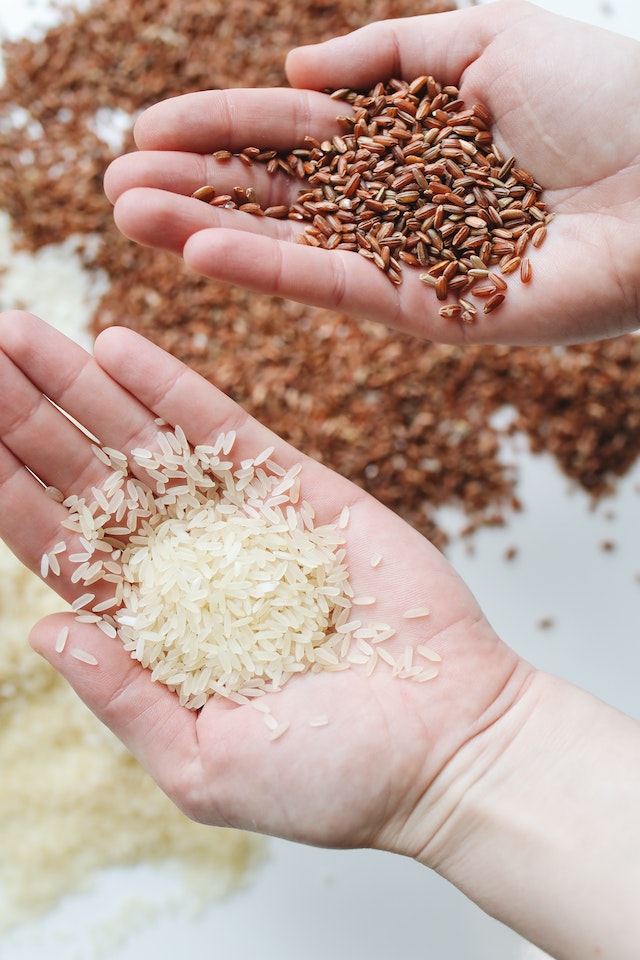
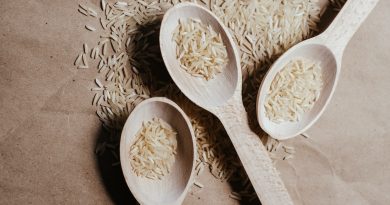
The most noticeable difference between short and long-grained rice lies in their physical appearance. Short-grained rice tends to be plump and almost round, while long-grained rice is slender and elongated.
2. Texture
Short-grained rice has a higher starch content, resulting in a stickier and more cohesive texture when cooked. This characteristic makes it perfect for dishes that require the rice to clump together, such as sushi and risotto. In contrast, long-grained rice has less starch, resulting in a lighter and more separate texture when cooked, making it ideal for fluffy rice dishes like pilafs and biryanis.
3. Flavour
Short-grained rice tends to have a slightly sweeter and more pronounced flavour compared to its long-grained counterpart. This sweetness can enhance the overall taste of dishes, especially when paired with savoury ingredients. Long-grained rice, on the other hand, has a milder flavour that allows it to complement a wide variety of seasonings and sauces.
4. Cooking Time
Due to their varying starch content and grain length, short and long-grained rice have different cooking times. Short-grained rice generally cooks faster than long-grained rice, requiring less time on the stovetop or in the rice cooker.
5. Popular Uses
Short-grained rice is commonly associated with Japanese cuisine, where it is used for sushi, rice bowls, and traditional desserts like mochi. Long-grained rice, such as basmati or jasmine rice, is often found in Indian, Thai, and Middle Eastern dishes, including biryanis, curries, and pilafs.
Short and long-grained rice, while sharing some similarities, possess distinct qualities that make them suitable for different culinary endeavours. Whether you’re seeking a stickier texture for sushi or a fluffy bed of rice for a fragrant curry, understanding the characteristics of each grain is key to achieving the desired outcome. So, the next time you embark on a culinary adventure, consider the unique attributes of short and long-gr rained rice and choose accordingly. Embrace the versatility and culinary possibilities that both grains offer, and let them elevate your dishes to new heights of flavour and texture.
In the end, whether you prefer the stickiness of short-grained rice or the separation of long-grained rice, both varieties bring their own unique qualities to the table. The choice between the two ultimately depends on the specific dish you are preparing and the desired outcome you wish to achieve. So, experiment, explore, and savour the delights of short and long-grained rice as you embark on a culinary journey that celebrates the diversity and richness of this beloved grain.
Types of Rice
1. Basmati Rice
Originating from the Indian subcontinent, Basmati rice is known for its distinct aroma and long, slender grains. It is highly valued for its fragrant, nutty flavour and fluffy texture. Basmati rice is commonly used in Indian, Middle Eastern, and Persian cuisine, particularly in dishes like biryani and pilaf.
READ MORE: Basmati Rice: A Fragrant Grain with a Rich Heritage
2. Jasmine Rice
Hailing from Thailand, Jasmine rice is renowned for its delicate floral aroma and soft, slightly sticky texture. It is a staple in Southeast Asian cuisine and pairs perfectly with curries, stir-fries, and grilled dishes.
3. Wild Rice
Despite its name, wild rice is not actually a type of rice, but a grain harvested from aquatic grasses. Native to North America, it has a chewy texture and a nutty flavour. Wild rice is often used in salads, side dishes, and stuffing recipes.
READ MORE: Wild Rice: A Nutritious and Flavourful Delicacy
4. Calrose Rice
Calrose rice, a medium-grain variety, originated in California, USA. It features soft, slightly sticky grains that cling together when cooked. Calrose rice is a popular choice for sushi rolls, rice bowls, and Asian-inspired dishes.
READ MORE: Calrose Rice: A Taste of California’s Finest Grain
5. Japanese Short Grain Rice
Japanese short grain rice, also known as sushi rice, is a staple in Japanese cuisine. It has a sticky texture and a slightly sweet taste. This rice is essential for making sushi, onigiri (rice balls), and other traditional Japanese dishes.
READ MORE: Japanese Short Grain Rice: The Pillowy Staple of Japanese Cuisine
6. Japanese Glutinous (Sticky) Rice
Also known as mochigome, Japanese glutinous rice is a sticky variety used in making traditional Japanese sweets, such as mochi. It has a high starch content that gives it its characteristic chewy texture.
READ MORE: Japanese Glutinous Rice: The Sticky Wonder Behind Traditional Japanese Delicacies
7. Arborio Rice
Arborio rice, originating from Italy, is a short-grain rice known for its high starch content. It is primarily used in risottos, absorbing flavours while maintaining a creamy texture.
READ MORE: The King of Risotto: Discovering the Magic of Arborio Rice
8. Black Rice
Black rice, also known as forbidden rice, has a striking dark colour and a nutty flavour. Originating from China, it is rich in antioxidants and nutrients. Black rice is commonly used in both sweet and savoury dishes, such as rice puddings, salads, and stir-fries.
READ MORE: Black Rice: The Dark Jewel of Ancient Grains
9. Medium Grain Brown Rice
Medium grain brown rice is a whole grain rice with a nutty flavour and a chewy texture. It is less processed than white rice, retaining its bran and germ layers. This rice is a nutritious choice and is often used in pilafs, stir-fries, and rice bowls.
READ MORE: Medium Grain Brown Rice: A Nutritious Staple for Health-conscious Foodies
10. Valencia Rice
Valencia rice, originating from Spain, is a short-grain variety commonly used in paella. It absorbs flavours well and has a firm texture, making it ideal for hearty rice dishes.
READ MORE: Valencia Rice: Unveiling the Essence of Authentic Paella
11. Red Rice
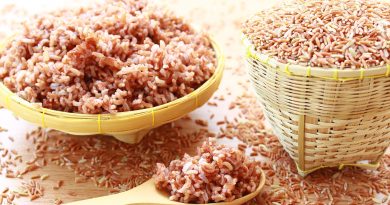
Red rice, also known as Camargue rice, is native to France. It has a reddish-brown colour and a slightly nutty taste. Red rice is often used in salads, side dishes, and grain bowls.
READ MORE: Red Rice: A Nutritious and Vibrant Grain with a Rich History
12. Rice Blends
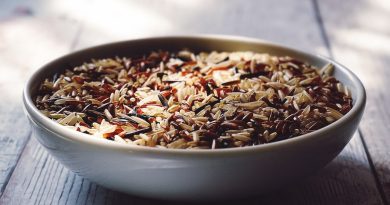
Rice blends combine different types of rice to create unique flavours and textures. Examples include wild rice blends, jasmine and basmati blends, and black and brown rice blends. These blends offer a delightful combination of tastes and are versatile for a range of dishes.
READ MORE: Rice Blends: A Fusion of Flavors and Cultures on Your Plate
13. Parboiled Rice
Parboiled rice is partially cooked before milling, preserving more nutrients compared to regular white rice. It has a firmer texture and is less sticky when cooked. Parboiled rice is commonly used in pilafs, biryanis, and as a healthier alternative to white rice.
READ MORE: Parboiled Rice: A Hidden Gem in the World of Grains
Rice, with its diverse varieties and rich cultural significance, is a culinary treasure enjoyed worldwide. From the fragrant Basmati to the sticky sushi rice, each type brings its own unique qualities to the table. By exploring the origins and uses of these rice varieties, we gain a deeper appreciation for the vast world of rice and the incredible dishes it helps create. So, next time you prepare a meal, consider experimenting with different types of rice to elevate your culinary adventures.
Pingback: Coconut Mussels with Rice (Asian Inspired) – FoodLullabies