
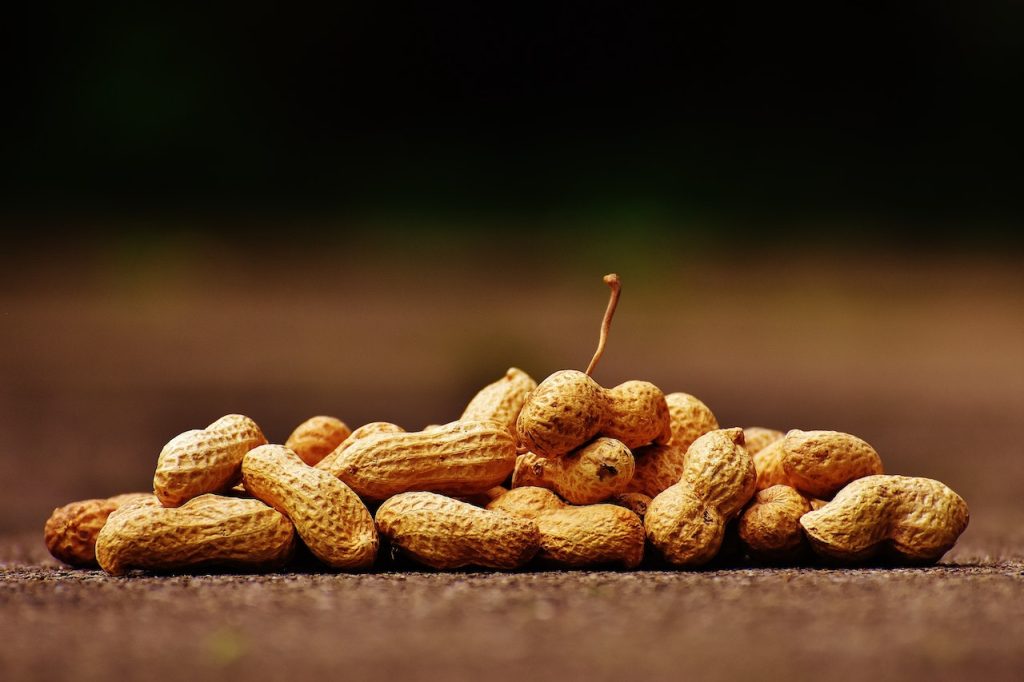
Peanut Oil: A Versatile Culinary Companion
Peanut oil, derived from the humble peanut, has been a popular cooking oil for centuries. Known for its distinct flavour, high smoke point, and health benefits, this oil has found its way into kitchens around the world. In this article, we will delve into the history, origin, features, types, whereabouts, and culinary uses of peanut oil, uncovering the secrets behind its culinary versatility.
History and Origin
Peanut oil has a rich history that can be traced back to ancient civilizations. It is believed to have originated in South America, where peanuts were cultivated as early as 3,500 years ago. The Spanish explorers introduced peanuts to Europe in the 16th century, and from there, it spread to other parts of the world. Today, China and India are the leading producers of peanut oil, followed by the United States and Africa.
Features of Peanut Oil
Peanut oil is characterized by its mild, nutty flavour and a light golden colour. It has a high smoke point, typically ranging between 440°F to 450°F (227°C to 232°C), making it suitable for various cooking methods, including frying, sautéing, and stir-frying. The oil has a relatively long shelf life and can be stored for several months if kept in a cool and dark place.
Types of Peanut Oil
There are two primary types of peanut oil: refined and unrefined. Refined peanut oil undergoes a process that removes impurities, resulting in a neutral flavour and a higher smoke point. On the other hand, unrefined peanut oil, also known as cold-pressed or virgin peanut oil, retains more of the peanut’s natural flavours and aromas.
Culinary Uses
Peanut oil’s versatility in the kitchen makes it a favourite among professional chefs and home cooks alike. Its mild flavour enhances the taste of dishes without overpowering other ingredients. Here are some popular culinary uses of peanut oil:
1. Frying: Peanut oil’s high smoke point and stability make it ideal for deep-frying. It imparts a crispy texture to foods while preserving their natural flavours.
2. Stir-Frying and Sautéing: The high heat tolerance of peanut oil makes it perfect for stir-frying and sautéing vegetables, meats, and seafood. Its ability to withstand high temperatures ensures that the food cooks evenly and quickly.
3. Salad Dressings and Marinades: Unrefined peanut oil adds a delightful nutty flavour to salad dressings and marinades, enhancing their taste and providing a unique twist.
4. Baking: Peanut oil can be used as a substitute for other oils in baking recipes, adding moisture and a subtle nutty flavour to cakes, cookies, and bread.
Peanut oil’s rich history, origin, unique features, and culinary uses make it a valuable asset in the kitchen. Whether you’re looking to fry, stir-fry, sauté, or enhance the flavors of your dishes, peanut oil offers a delightful nutty taste and a high smoke point. Its versatility and health benefits make it a go-to choice for both professional chefs and home cooks who seek to elevate their culinary creations.
So, next time you’re in the kitchen, consider reaching for a bottle of peanut oil and unlock a world of culinary possibilities!
Note: It’s important to be aware of potential allergies when using peanut oil, and to consult with a medical professional if you have any concerns.

Pingback: Cooking oils: everything you need to know – FoodLullabies