Salt, the Culinary Alchemist: Uncovering the Wonders of Table Salt
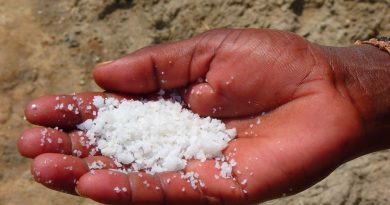
Table salt, a commonly used seasoning and preservative, has played a significant role in human history and culinary traditions for centuries. With its fascinating origins, distinct features, various types, interesting facts, and wide-ranging culinary uses, table salt has become an indispensable ingredient in kitchens around the world.
History and Origin
Salt has been an essential part of human civilization since ancient times. Its importance can be traced back to early civilizations, where it was used not only as a seasoning but also as a valuable commodity for trade. The history of table salt dates back thousands of years, with evidence of salt production found in ancient China, Egypt, and Mesopotamia. In fact, the word “salary” is derived from the Latin word for salt, highlighting its historical significance as a form of currency.
Features and Types
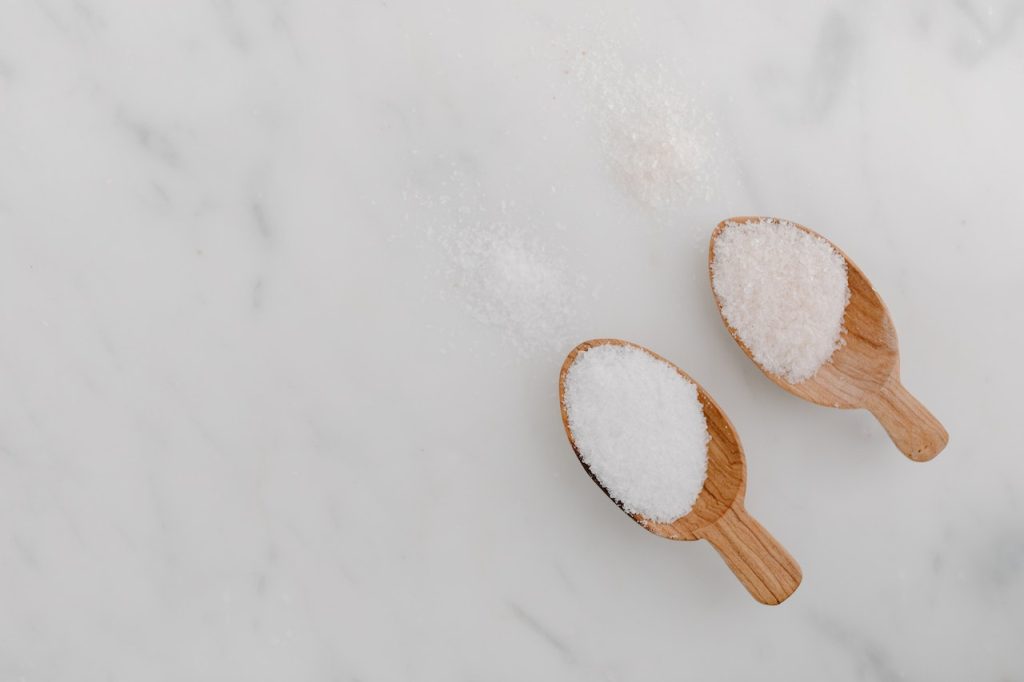
Table salt is primarily composed of sodium chloride (NaCl). It is usually finely ground, giving it a uniform texture that easily dissolves in food. One of the key features of table salt is its ability to enhance the flavours of dishes by adding a savoury taste. There are different types of table salt available, including iodized salt, kosher salt, sea salt, and Himalayan pink salt. These variations differ in terms of texture, flavour, and mineral content, offering diverse options for culinary enthusiasts.
Interesting Facts:
– Salt has been used for food preservation for centuries, as it inhibits the growth of bacteria and acts as a natural preservative.
– In ancient Rome, soldiers were sometimes paid with salt, highlighting its value and importance.
– Salt has been used in religious rituals and ceremonies in various cultures throughout history.
Culinary Uses
Table salt is a fundamental ingredient in cooking and baking. Its primary function is to enhance the flavour of dishes by balancing and intensifying taste. It is used in a wide range of culinary applications, including seasoning meats, vegetables, and soups, as well as in the preparation of sauces, marinades, and dressings. Additionally, salt is crucial in baking, helping to activate yeast and enhance the overall taste of bread and pastries.
Apart from its culinary uses, salt is also used in various non-food applications, such as in the production of soaps, detergents, and in water treatment processes.
In conclusion, table salt is a versatile essential that has played a significant role in human history and culinary traditions. Its origins can be traced back to ancient civilizations, and it continues to be a vital ingredient in kitchens worldwide. From enhancing flavours to preserving food, table salt serves a wide range of culinary purposes. Whether it’s iodized salt, kosher salt, sea salt, or Himalayan pink salt, each type offers unique characteristics that can elevate the taste of dishes. As we sprinkle this humble seasoning onto our meals, let us appreciate the rich history and culinary significance that table salt brings to our tables.