

Kosher Salt: A Staple in Culinary Excellence
Kosher salt, with its large, coarse crystals and versatile nature, has become a beloved ingredient in kitchens worldwide. Renowned for its ability to enhance flavours, kosher salt has a rich history and a wide range of culinary applications. Join me as we explore the origins, features, types, fun facts, and culinary uses of this essential seasoning that has earned a special place in the hearts of chefs and home cooks alike.
History and Origin
Contrary to what its name might suggest, kosher salt is not exclusively used in kosher cooking. Its name actually refers to its use in the koshering process, where it is used to draw out blood from meat according to Jewish dietary laws. The exact origin of kosher salt is unclear, but it is believed to have originated in the Middle East or Eastern Europe.
Features and Types
Kosher salt is known for its distinct features and characteristics:
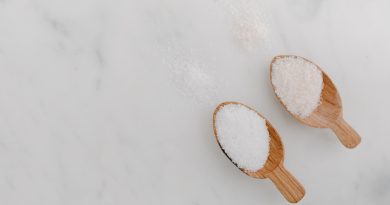
1. Coarse Texture: Kosher salt has larger crystals compared to table salt, making it easier to pinch and sprinkle. Its coarse texture also allows it to dissolve more slowly, providing a gradual release of flavour.
2. No Additives: Unlike table salt, kosher salt typically does not contain iodine or anti-caking agents. This makes it a pure and natural seasoning option.
Fun Facts:
1. Name Misconception: The name “kosher salt” can be misleading, as it does not refer to its certification or adherence to kosher dietary laws. It is called kosher salt because of its traditional use in the koshering process.
2. Alternative Uses: Kosher salt is not only used for culinary purposes but also finds its way into other areas of daily life. It can be used for cleaning, unclogging drains, or even as an exfoliating scrub.
Culinary Uses
Kosher salt is a versatile ingredient that enhances the flavours of various dishes. Some common culinary uses include:
1. Seasoning: Kosher salt is used to season food during cooking or as a finishing touch to bring out the natural flavours of ingredients.
2. Brining: The large crystals of kosher salt make it ideal for brining meats, poultry, and fish. The salt helps to tenderize and flavour the protein, resulting in juicier and more flavourful dishes.
3. Baking: Kosher salt is commonly used in baking, especially in recipes that call for a measured amount of salt. Its coarse texture allows for better control over the saltiness of the final product.
4. Rimming Glasses: When making cocktails, kosher salt is often used to rim glasses, adding a touch of saltiness that complements the flavours of the beverage.
Kosher salt, with its coarse texture, pure composition, and versatile nature, has become a staple in the culinary world. Whether you’re seasoning a dish, brining meats, or rimming a cocktail glass, kosher salt adds a touch of flavor and enhances the overall dining experience. Appreciated for its rich history, unique features, and wide range of uses, this essential seasoning continues to be a favorite among chefs and home cooks alike.


Pingback: Types of salt – FoodLullabies