Beyond Ordinary Salt: Discovering the Allure of Fleur de Sel in the Culinary World
Salt, a humble yet essential ingredient, has been treasured throughout history for its ability to enhance flavours and preserve food. Among the vast array of salts, one stands out with its delicate flavour, unique texture, and captivating name: Fleur de Sel, or “Flower of Salt.”
History and Origin
The origins of Fleur de Sel can be traced back to ancient times when salt was harvested from salt ponds along coastal regions. This exquisite salt has a rich history, dating back centuries to regions such as France, Spain, and Portugal. In France, Fleur de Sel was traditionally collected by skilled artisans known as “paludiers” from the salt marshes of Brittany and Guérande.
Features and Harvesting
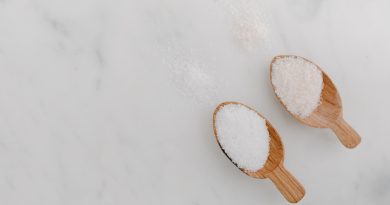
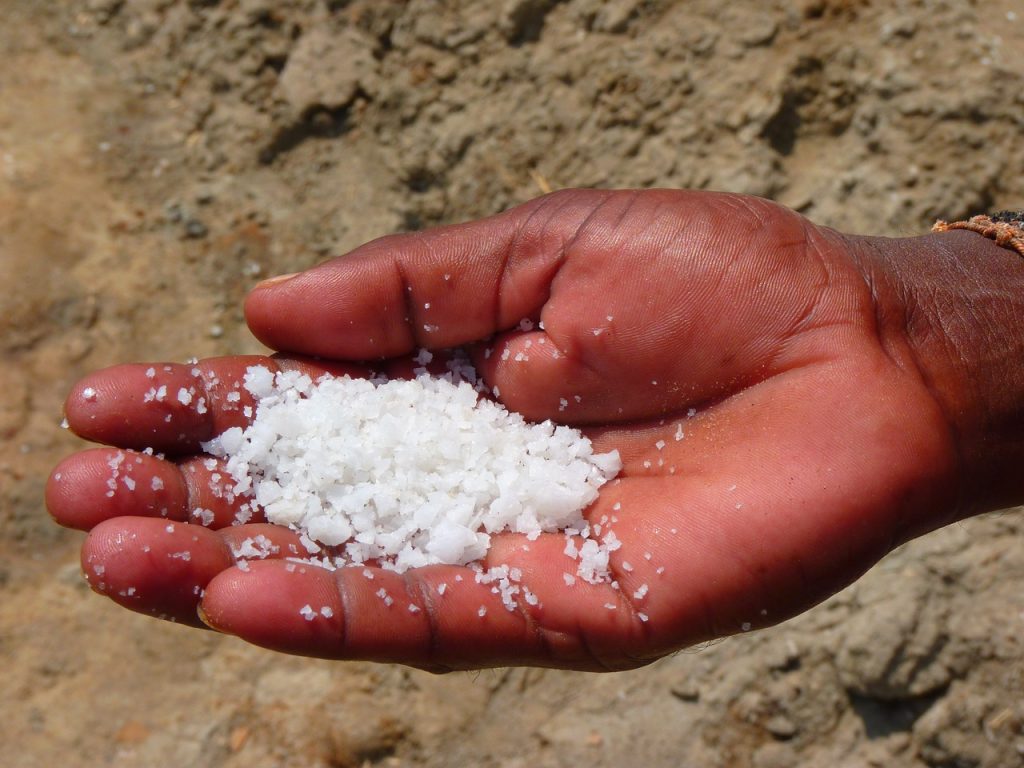
Fleur de Sel is renowned for its delicate flavour and distinct texture. It forms as a thin layer of salt crystals on the surface of salt ponds or marshes during the evaporation process. Skilled workers carefully skim off these delicate crystals, which have a unique flower-like shape, hence the name “Flower of Salt.” The crystals are then dried naturally, preserving their exquisite qualities.
Types of Fleur de Sel
While Fleur de Sel is primarily associated with the coastal regions of France, similar varieties are also produced in other countries. Some notable types include:
1. Guérande Fleur de Sel: Hailing from the Guérande region in Brittany, France, this is one of the most well-known and prized varieties. It is characterized by its delicate flavour and slightly moist texture.
2. Portuguese Fleur de Sel: Produced along the Portuguese coastline, this type of Fleur de Sel boasts a distinct flavour profile, influenced by the local climate and soil.
3. Spanish Fleur de Sel: Spain has its own version of Fleur de Sel, often sourced from salt pans along the Mediterranean coast. It offers a unique taste and texture, reflecting the terroir of the region.
Interesting Facts:
– Fleur de Sel is often referred to as the “caviar of salts” due to its rarity and premium quality.
– It is composed of various minerals and trace elements, which contribute to its nuanced flavour.
– The delicate harvesting process requires skilled artisans to carefully collect the salt crystals by hand, making it a labour-intensive endeavour.
Culinary Uses
Fleur de Sel is highly regarded by chefs and food enthusiasts for its ability to elevate dishes to new heights. Its delicate flavour and crunchy texture make it an ideal finishing salt, sprinkled over dishes just before serving. Here are some culinary uses:
1. Enhancing Flavors: Sprinkle a pinch of Fleur de Sel over roasted vegetables, grilled meats, or seafood to enhance the natural flavours and add a touch of elegance.
2. Chocolate and Caramel: Fleur de Sel pairs exceptionally well with sweet treats. Try sprinkling it over dark chocolate or caramel desserts to create a delightful contrast of flavours.
3. Salads and Fresh Produce: Add a sprinkle of Fleur de Sel to salads, sliced tomatoes, or fresh fruit to bring out their natural sweetness and add a subtle savoury note.
4. Gourmet Finishing Touch: Use Fleur de Sel as a final touch on artisanal bread, butter, or even delicate pastries to add a touch of sophistication and complexity.
In conclusion, Fleur de Sel is a culinary treasure that has captivated taste buds for centuries. With its delicate flavour, unique texture, and rich history, this “Flower of Salt” continues to be cherished by chefs and food lovers worldwide. So, the next time you want to elevate your culinary creations, reach for Fleur de Sel and experience the magic it brings to your dishes.