Baguette: The Crispy Icon of French Baking
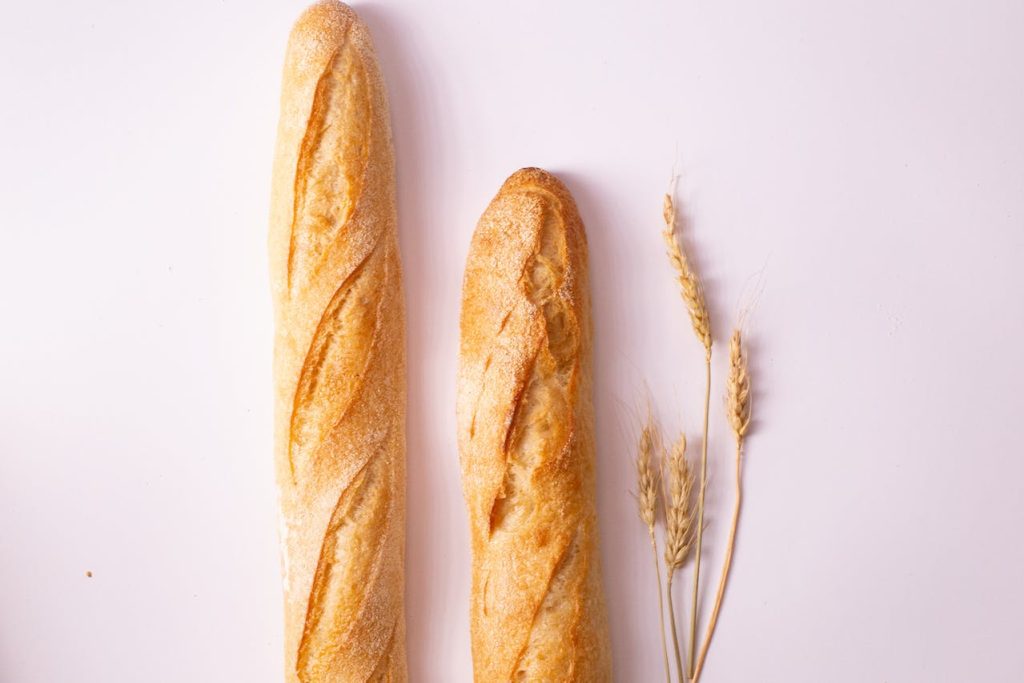
In the realm of bread, there’s a French superstar that needs no introduction: the Baguette. With its iconic elongated shape, crisp golden crust, and airy crumb, the Baguette is a symbol of French culinary excellence. Join us as we embark on a journey to explore the history, varieties, and the magical art of baking and enjoying the Baguette.
History
The Baguette’s history is intertwined with that of France itself. It was first popularized in the early 20th century when bakers began to shift from round loaves to the iconic elongated shape we now associate with the Baguette. This change was largely driven by practicality, as the elongated shape allowed for easier handling and more even baking. Over the years, the Baguette has become an integral part of French culture, from breakfast tables to picnics along the Seine.
Population
The Baguette’s influence extends far beyond the borders of France. While it remains a staple in French households, it has gained immense popularity worldwide. In many countries, you can find local boulangeries (bakeries) proudly crafting Baguettes, offering a taste of France in every bite.
Varieties
Although the classic Baguette consists of just four ingredients – flour, water, yeast, and salt – there are variations to suit different preferences:
- Traditional Baguette: Crisp crust and airy crumb, perfect for pairing with a variety of dishes.
- Baguette de Campagne: Made with a mix of flours, resulting in a heartier, more rustic texture.
- Baguette Viennoise: Sweetened with butter and sometimes enriched with milk or eggs, offering a delicate, tender crumb.
- Multigrain Baguette: Incorporates seeds, grains, or nuts for added flavour and texture.
Interesting Facts:
- A Baguette should be eaten on the day it’s baked to fully enjoy its crispy crust and tender crumb.
- In 2018, the French Senate passed a law declaring the Baguette as a vital part of French culture and heritage.
Storage Information
To keep your Baguette fresh, store it in a cloth or paper bag at room temperature. If it starts to lose its crispness, you can reheat it in the oven to restore its crusty exterior.
Cooking Tips:
- Preheat your oven to 350°F (175°C), and then place the Baguette directly on the oven rack for about 5 minutes to refresh its crust.
- Serve the Baguette with cheese, butter, pâté, or as the foundation for sandwiches. It’s a versatile bread that complements both sweet and savoury accompaniments.
The Baguette is more than just a loaf of bread; it’s a cultural and culinary icon. Its simplicity, yet exquisite taste, has transcended borders, making it a beloved and respected bread worldwide. Whether you’re breaking bread at a French café, indulging in a simple picnic, or elevating a gourmet meal, the Baguette is a timeless delight that embodies the art of French baking. Savor each bite, and you’ll understand why this iconic bread has stood the test of time, remaining a symbol of craftsmanship and tradition in the world of baking.