Focaccia: The Timeless Italian Flatbread
Focaccia, with its golden crust and signature dimples, is one of Italy’s most beloved breads. Known for its versatility and rich, fragrant flavours, focaccia is enjoyed across the world as a staple snack, side, or even a main course. This traditional Italian flatbread has a deep-rooted history, fascinating variations, and a simple yet appealing profile that makes it both accessible and gourmet.
RECIPE: Focaccia With Rosemary And Sea Salt
A Brief History of Focaccia
The origins of focaccia can be traced back to ancient Mediterranean cultures. The word focaccia comes from the Latin word focus, meaning “hearth” or “fireplace.” It was initially cooked on heated stones or coals, much like a flatbread, making it a staple for Roman soldiers who would carry it as an easily transportable food.
Over centuries, focaccia evolved into regional varieties, especially in Italy. Liguria, on the northwest coast of Italy, is renowned for focaccia Genovese, one of the best-known versions. The Genoese style is typically brushed with olive oil, sprinkled with coarse salt, and sometimes seasoned with rosemary. In contrast, Apulian focaccia barese often includes ingredients like tomatoes and olives, reflecting the produce of the southern regions.
Popularity and Modern Appeal
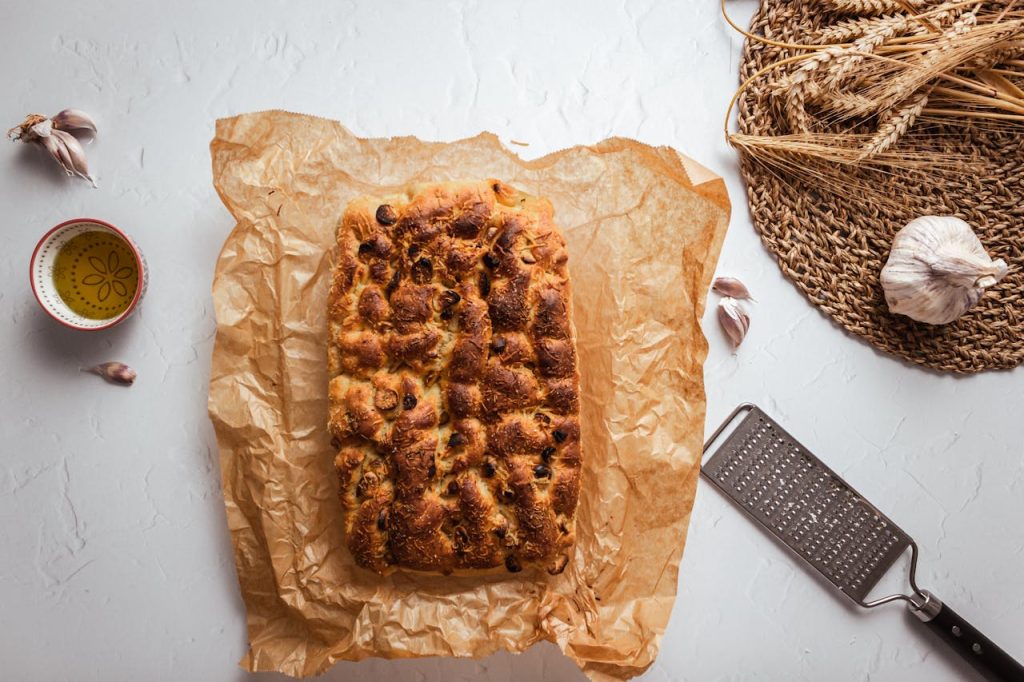
Focaccia has transcended its roots and spread across continents, celebrated for its simplicity and flavour. Today, it’s a staple in Italian bakeries, cafes, and homes and is widely popular in North America and beyond. Modern bakers and chefs continue to innovate focaccia by incorporating toppings like garlic, cheese, caramelized onions, and even seasonal vegetables, making it both a traditional and trend-driven bread.
Characteristics and Texture
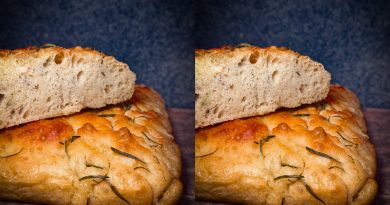
Focaccia is a flatbread with a crisp, golden crust and a soft, airy interior. It’s typically made with flour, water, salt, yeast, and a generous amount of olive oil, which gives it a rich, savoury flavour and a characteristic sheen. Unlike other types of bread, focaccia is usually dimples or punctured on the surface before baking. These dimples help trap olive oil and seasonings, creating pockets of flavour throughout the bread.
Its texture can vary depending on the recipe and baking method. Some focaccias are dense, while others, especially those with a higher water content, are light and fluffy with large air pockets similar to ciabatta.
Different Varieties of Focaccia
There are numerous regional and modern variations of focaccia, each with its own unique spin. Here are some of the most popular types:
- Focaccia Genovese: The classic from Genoa, usually seasoned simply with olive oil and coarse salt.
- Focaccia Barese: From Bari in Puglia, this variety often includes cherry tomatoes, olives, and oregano.
- Focaccia Dolce: A sweet version, popular in Northern Italy, sprinkled with sugar and sometimes flavoured with honey, grapes, or anise.
- Stuffed Focaccia: In some regions, focaccia is split and filled with ingredients like prosciutto, cheese, or vegetables.
- Onion Focaccia: Popular in Liguria, this version is topped with thinly sliced onions that caramelize in the oven.
Tips for Making Perfect Focaccia
Making focaccia at home can be straightforward, and a few techniques can help you achieve an ideal texture and flavour:
- Use Good Quality Olive Oil: Olive oil is a key ingredient, providing flavour, moisture, and texture. For authentic flavour, use high-quality extra virgin olive oil.
- High Hydration Dough: Focaccia benefits from a high water content, which gives the bread its airy texture. Mixing a slightly wet dough may feel tricky but results in the classic light, chewy texture.
- Dimpling the Dough: Before baking, create deep dimples in the dough using your fingertips. This helps prevent the bread from puffing up too much and allows the oil and toppings to settle in the indentations.
- Let the Dough Rest: Focaccia dough needs a good amount of resting time, which helps develop gluten and enhance flavour. Many bakers allow it to ferment overnight in the fridge for a deeper flavour.
- Experiment with Toppings: Traditional toppings like rosemary and sea salt are delicious, but you can also get creative with toppings like cherry tomatoes, olives, caramelized onions, or herbs.
Storage and Freshness
Focaccia is best enjoyed fresh from the oven when its crust is crisp and the interior is soft. However, if you have leftovers, store them properly to maintain quality:
- Short-Term Storage: Wrap focaccia in a paper bag and store it at room temperature for up to two days.
- Freezing: For longer storage, slice focaccia and wrap each piece individually in plastic wrap or foil. Place the wrapped slices in a resealable freezer bag and freeze for up to a month.
- Reheating: To reheat, bake the focaccia slices in a preheated oven at 350°F (175°C) for about 10 minutes. This will restore the crust’s crispness and soften the interior.
Interesting Facts about Focaccia
Precursor to Pizza: Focaccia is often considered a precursor to modern pizza. Its flat shape and toppings make it similar, although the dough itself is generally thicker and more oil-rich.
World Record: In 2007, Genoa set a world record by baking a focaccia that measured 2,400 square meters, the largest focaccia ever made!
Cultural Significance: Focaccia holds a special place in Italian culture, where it’s often enjoyed as a breakfast item, snack, or accompaniment to meals. Some Italians even dip focaccia in their morning coffee.
Focaccia as a Canvas
One of the most intriguing aspects of focaccia is its role as a culinary canvas. In recent years, “focaccia art” has become popular, with bakers arranging colourful vegetables and herbs on top of the dough to create stunning designs before baking. The dimples in the dough help hold these toppings, transforming a humble loaf into a vibrant piece of edible art.
Nutritional Value of Focaccia
As a bread, focaccia is relatively simple in its nutritional composition. It’s a good source of carbohydrates and can be a source of fibre if made with whole-grain flour. The olive oil used in focaccia provides healthy fats, and any toppings, such as tomatoes or herbs, add additional vitamins and minerals. While focaccia can be enjoyed in moderation as part of a balanced diet, it’s best consumed fresh and with wholesome toppings to maximize nutritional benefits.
Serving Ideas
Focaccia’s versatility makes it suitable for a wide range of meals and occasions:
As an Appetizer: Serve focaccia with a small dish of extra virgin olive oil and balsamic vinegar for dipping.
Sandwiches: Split focaccia in half and fill with ingredients like mozzarella, tomatoes, arugula, or prosciutto for a hearty sandwich.
Accompanying Soups and Salads: Its chewy texture and savoury flavour make focaccia an excellent side for soups and fresh salads.
Panzanella: Use day-old focaccia to make a delicious Italian bread salad with tomatoes, cucumber, and basil.
Final Thoughts
Focaccia is a timeless Italian flatbread with a rich history and a universal appeal. Its simplicity and versatility make it a beloved choice for bakers, chefs, and home cooks alike. Whether you’re enjoying a slice straight from the oven, dipping it in olive oil, or layering it with colourful vegetables, focaccia is a comforting reminder of the beauty in uncomplicated, high-quality ingredients.
So, the next time you’re in the kitchen, consider making focaccia—a bread that is both a celebration of tradition and an invitation to creativity!