The Essence of Chapati: A Journey Through Time and Tradition
Chapati, a simple unleavened flatbread, has etched its place as a staple in the rich tapestry of global cuisines. Originating from the Indian subcontinent, this versatile bread has transcended cultural boundaries to become a cherished accompaniment to various dishes worldwide. In this exploration, we delve into the historical roots, the diverse varieties, intriguing facts, storage nuances, cooking tips, and the cultural significance that make chapati a culinary gem enjoyed by millions.
Historical Roots of Chapati
Dating back thousands of years, chapati finds its origins in the Indian subcontinent, where it has been a dietary cornerstone for generations. Initially prepared on open flames, the evolution of cooking methods has seen chapati become a symbol of both tradition and adaptability, reflecting the dynamic nature of culinary practices over centuries.
Population and Cultural Significance
Chapati’s ubiquity extends far beyond its region of origin. With a global population embracing diverse culinary traditions, chapati has seamlessly integrated into various cuisines as a versatile bread option. Its cultural significance is evident in its presence at family dinners, festive celebrations, and daily meals, making it an integral part of the culinary landscape.
Varieties of Chapati
Chapati’s versatility is reflected in the diverse array of variations found across different regions. From the traditional Indian whole wheat chapati to the East African chapati, which incorporates layers reminiscent of flaky pastry, each variety offers a unique texture and flavour profile, showcasing the adaptability of this humble flatbread.
Interesting Facts about Chapati
Beyond its role as a dietary staple, chapati has some intriguing aspects. In various cultures, the act of making chapati is considered an art form, with skilled hands deftly shaping and cooking the dough. Additionally, chapati’s role as a communal food item fosters a sense of togetherness, emphasizing the importance of shared meals in fostering connections.
Storage Information
Preserving the freshness and softness of chapati requires careful storage. Placing them in an airtight container or wrapping them in foil helps prevent them from drying out. Refrigeration is an option, but reheating methods should be chosen wisely to retain the bread’s original texture.
Cooking Tips
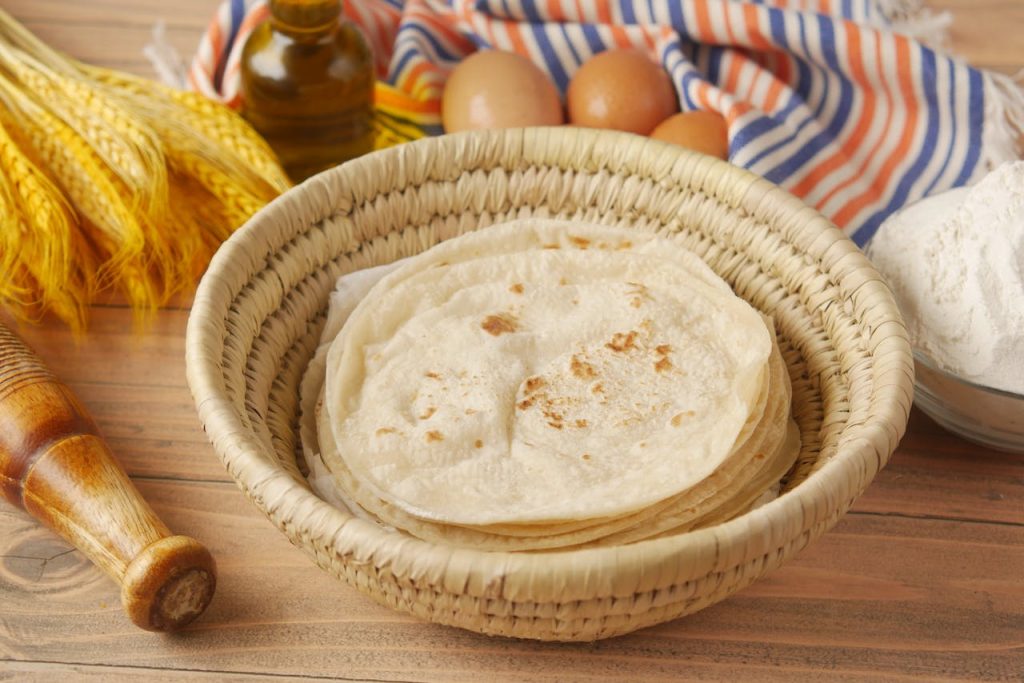
Mastering the art of chapati-making involves a few key tips. Ensuring the dough is well-kneaded and rested allows for optimal elasticity. Cooking chapati on a hot, flat griddle or skillet encourages even cooking and puffing. The hallmark of a well-cooked chapati is the golden-brown spots that dot its surface, signifying a perfect balance of tenderness and flakiness.
Chapati, with its humble origins and global prevalence, transcends its role as a mere flatbread. It embodies the rich history, cultural significance, and adaptability that characterize the evolution of culinary traditions. Whether enjoyed as a simple accompaniment to a flavourful curry or as a vessel for diverse fillings, chapati stands as a testament to the enduring appeal of straightforward, yet remarkably versatile, culinary creations.