From Cane to Crystals: Unveiling the History of Granulated Sugar
Granulated sugar, an indispensable ingredient in kitchens worldwide, has a storied history dating back centuries. Originating from sugar cane, its cultivation and refinement can be traced to ancient civilizations in India and China. The demand for this sweetener surged with the expansion of trade routes, and by the 18th century, sugar had become a luxury commodity in Europe. Today, granulated sugar plays a pivotal role in global culinary traditions, bringing sweetness to a myriad of dishes.
Production and Varieties
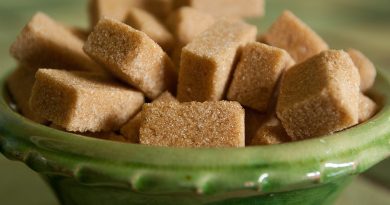
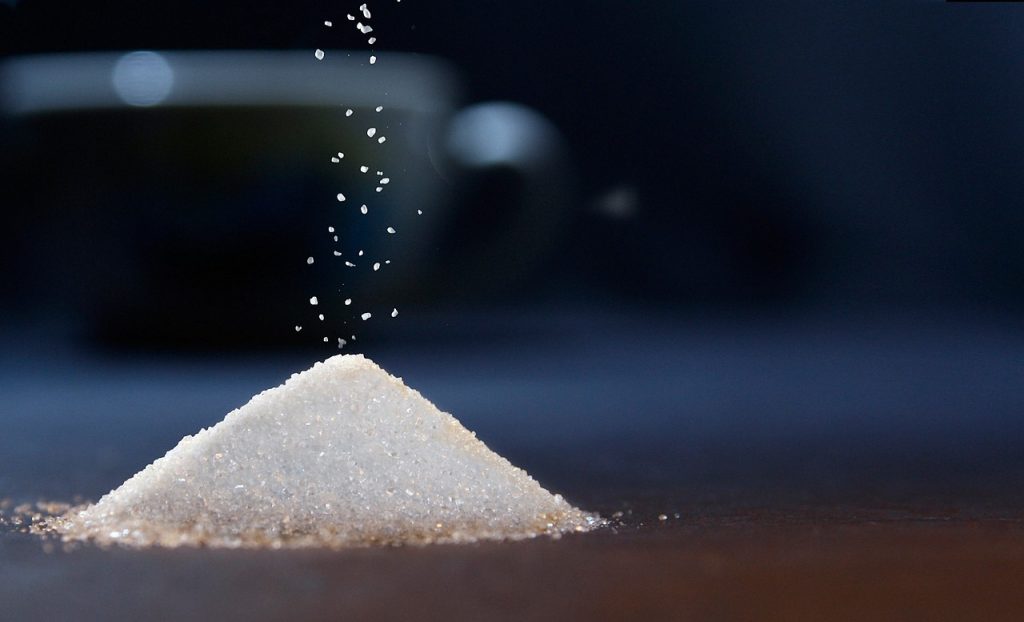
Derived from either sugar cane or sugar beets, granulated sugar is a crystalline sweetener produced through refining processes. While cane sugar dominates the market, sugar beets contribute significantly to global production. Varieties of granulated sugar include white sugar, which undergoes further refining for a pristine appearance, and natural brown sugar, which retains molasses for a richer flavour profile. The coarser texture of raw or turbinado sugar adds a subtle crunch and distinct taste, perfect for certain culinary applications.
Interesting Facts
Granulated sugar has cultural significance beyond its culinary role. Its trade and production shaped historical events, and the term “sugar rush” refers to the temporary energy boost some people experience after consuming sugar. In addition to its use in the kitchen, sugar plays a role in preserving fruits, creating jams, and enhancing the texture and colour of baked goods.
Storage Information
To maintain the quality of granulated sugar, it’s crucial to store it in a cool, dry place, away from moisture and strong odours. An airtight container prevents clumping and ensures the sugar remains free-flowing. While sugar has an indefinite shelf life, storing it properly preserves its texture and flavour.
Cooking Tips
Granulated sugar is a versatile ingredient, lending its sweetness to a wide range of recipes. In baking, it contributes to the structure and texture of baked goods, while in cooking, it balances flavours and enhances caramelization. Substituting brown sugar for white can impart a richer taste, and experimenting with various sugar types allows for nuanced flavour profiles in different dishes.
Nutritional Aspects
While granulated sugar is a quick source of energy, it is important to consume it in moderation due to its high-calorie content. It lacks essential nutrients and can contribute to health issues when consumed excessively. Alternatives like honey, maple syrup, or agave nectar offer different flavour profiles and nutritional benefits.
Global Impact
The widespread use of granulated sugar has not only influenced culinary landscapes but has also impacted economies and societies. Sugar plantations played a role in the history of slavery, and the sugar trade shaped global commerce. Today, the sugar industry supports the livelihoods of millions of people worldwide.
Granulated sugar, with its sweet journey through history, has become a cornerstone of culinary artistry and cultural identity. From its ancient origins to its modern applications, this crystalline sweetener adds not just sweetness but also depth and complexity to a myriad of dishes. As we savour the results of its transformative powers in the kitchen, it’s important to appreciate the rich history and global significance that granulated sugar brings to our tables.