Golden Crystals: Navigating the Diverse Landscape of Cane Sugar
Cane sugar, a fundamental and versatile sweetener, has woven itself into the fabric of culinary traditions and global trade over centuries. This sweet crystal, derived from sugarcane, has a rich history, diverse varieties, and a myriad of applications in cooking. In this article, we embark on a journey through the sweet realms of cane sugar, unravelling its history, understanding its varieties, and exploring useful tips for storage and cooking.
Historical Tapestry of Cane Sugar
The story of cane sugar is intricately entwined with the annals of human history. Originating in Southeast Asia, sugarcane cultivation dates back thousands of years, with evidence of its use found in ancient Indian and Chinese manuscripts. The knowledge of cultivating and refining sugar spread through trade routes, reaching the Middle East and eventually making its way to Europe during the medieval period. The sugar industry played a pivotal role in the colonial history of the Americas, contributing to the establishment of plantations and the transatlantic slave trade.
Population of Sugarcane
Today, sugarcane is cultivated in numerous tropical and subtropical regions around the globe. Leading producers include countries like Brazil, India, China, Thailand, and Australia. This widespread cultivation not only supports local economies but also caters to the global demand for sugar and its by-products.
Varieties of Cane Sugar
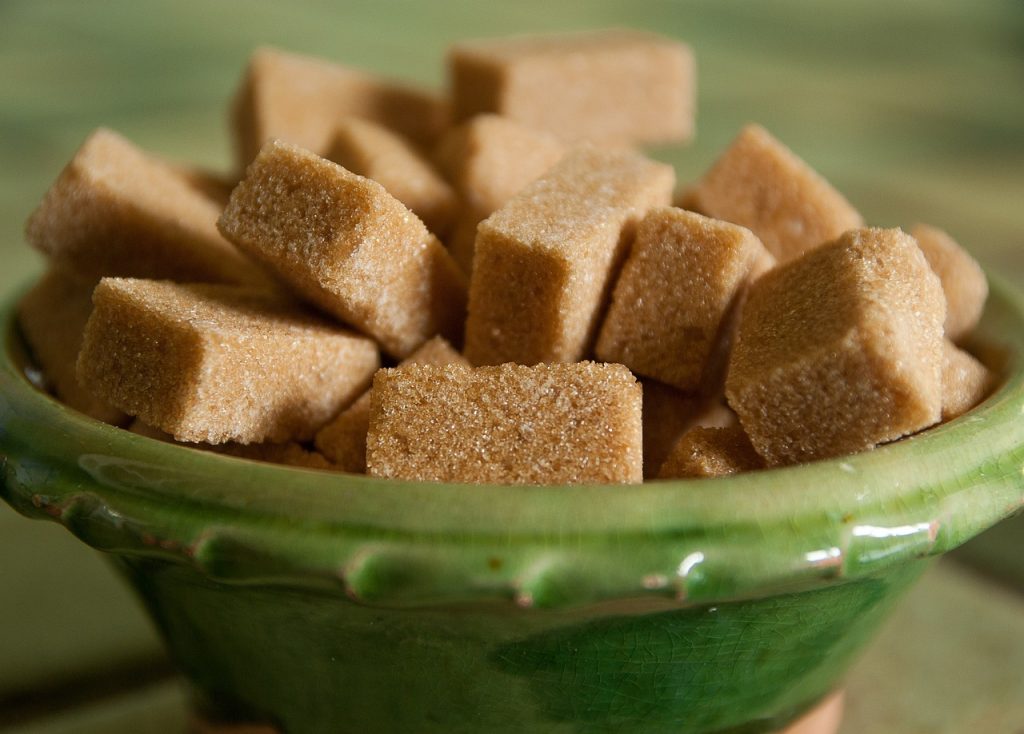
Cane sugar comes in various forms, each offering unique characteristics to cater to different culinary needs. Common varieties include granulated sugar, powdered sugar, brown sugar, and specialty sugars like demerara and turbinado. The differences in processing and the addition of molasses contribute to distinct flavours, textures, and applications for each type.
Interesting Facts about Cane Sugar
Beyond its role in sweetening our favourite dishes, cane sugar boasts several fascinating facts. Did you know that sugarcane is a member of the grass family, Poaceae? Additionally, the process of extracting sugar from sugarcane involves crushing the stalks and extracting the juice, which is then refined into the crystalline form we commonly use.
Storage Information
To preserve the quality of cane sugar, proper storage is essential. It is recommended to keep sugar in an airtight container in a cool, dry place. Exposure to moisture can cause clumping, while prolonged exposure to air can lead to crystallization. By adhering to these storage guidelines, one can ensure the longevity and quality of their cane sugar.
Cooking Tips
Cane sugar’s versatility extends beyond sweetening beverages and desserts. In baking, different varieties of sugar can impart distinct textures and flavours to the final product. Brown sugar, for example, adds a rich, caramel note, while powdered sugar contributes to a smoother texture in frostings. Experimenting with the various forms of cane sugar can elevate the culinary experience.
As we delve into the intricate world of cane sugar, from its historical roots to its global presence and culinary applications, it becomes evident that this sweetener is more than just a condiment – it’s a cultural cornerstone. Understanding the nuances of cane sugar opens up a world of possibilities in the kitchen, allowing us to appreciate its diverse forms and flavours. So, whether you’re crafting a delicate pastry or sweetening your morning coffee, the journey of cane sugar continues to sweeten our lives in more ways than one.