Exploring the Rich Heritage and Culinary Versatility of Maple Sugar
Maple sugar, a venerable sweetener with deep roots in North American history, has evolved into a culinary treasure cherished for its distinct flavour and versatility. Derived from the sap of sugar maple trees, this natural sweetener has transcended its historical roots to become a culinary delight embraced worldwide. In this article, we delve into the history, diverse varieties, interesting facts, storage guidelines, and cooking tips that make maple sugar a quintessential ingredient in the culinary world.
History
The rich history of maple sugar dates back to the indigenous peoples of North America, who perfected the art of collecting and processing sap into sugar long before European settlers arrived. Native American communities utilized the technique of tapping sugar maple trees, boiling the sap, and transforming it into granulated sugar. This traditional method has been passed down through generations and continues to be a symbol of cultural heritage.
Population
While sugar maples (Acer saccharum) are predominantly found in the northeastern part of North America, thriving in the cool climates of the United States and Canada, the popularity of maple sugar has transcended geographical boundaries. As global appreciation for natural sweeteners grows, the cultivation of sugar maples has expanded, bringing the production of maple sugar to regions beyond its historical roots.
Varieties
Maple sugar comes in various grades, each offering a unique flavour profile. The grading system categorizes maple syrup and sugar into grades A, B, and C, with further distinctions such as Golden, Amber, Dark, and Very Dark. These grades provide an array of options for culinary applications, from delicate confections to robust glazes.
Interesting Facts
It takes approximately 40 gallons of maple sap to produce just one gallon of maple syrup, highlighting the labour-intensive process involved in maple sugar production.
The distinctive flavour of maple sugar is influenced by the terroir—the unique soil and climate conditions—of the region where the sugar maples are tapped.
Canada is a major global producer of maple products, with Quebec leading the way in both quality and quantity.
Storage Information
To preserve the rich flavour and quality of maple sugar, it is crucial to store it in a cool, dark place, away from direct sunlight and humidity. Properly stored, maple sugar can maintain its quality for an extended period, providing a reliable sweetening agent for various culinary endeavours.
Cooking Tips
Substitute for Granulated Sugar: Maple sugar serves as an excellent substitute for granulated sugar in recipes, imparting its unique flavour to baked goods, beverages, and savoury dishes.
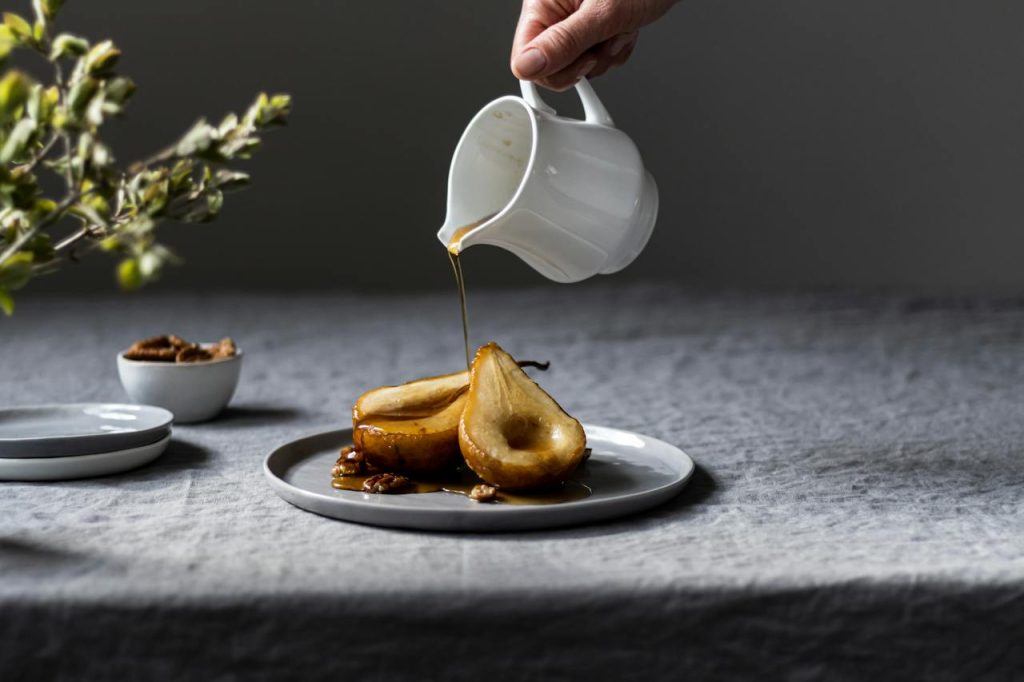
Glazes and Marinades: The caramelized notes of maple sugar make it an ideal ingredient for creating flavourful glazes for meats, vegetables, and even desserts.
Baking Enhancement: Sprinkle a touch of maple sugar over cookies, muffins, or pies before baking for an added layer of complexity to the flavour profile.
In conclusion, maple sugar stands as a testament to the enduring connection between nature, culture, and culinary artistry. Its rich history, diverse varieties, and culinary versatility make it a cherished ingredient that continues to captivate palates around the world. Whether used as a sweetener, a glaze, or a baking enhancement, maple sugar remains a symbol of the enduring legacy of North American traditions in the global culinary landscape.