Brioche: The French Artistry of Enriched Bread
Brioche, with its golden hue, tender crumb, and luxurious buttery flavour, stands as a pinnacle of French baking excellence. This enriched bread, born from centuries of culinary craftsmanship, has evolved into a global indulgence, captivating palates with its versatility and distinctive taste. Let’s embark on a journey through the history, varieties, interesting facts, storage nuances, cooking tips, and the cultural significance that defines the world of Brioche.
History: A French Culinary Legacy
The roots of Brioche can be traced back to France, where its creation is often credited to the court of Louis XIV in the 17th century. Originally associated with the royalty and nobility, Brioche has since become a beloved staple in French households and bakeries. Its name is derived from the Old French word “broyer,” meaning to knead or mix, a nod to the meticulous preparation that goes into crafting this delicate bread.
Varieties: From Classic to Creative
Brioche comes in various forms, each showcasing the adaptability of its dough. Traditional Brioche à Tête is recognizable by its distinctive fluted shape, while Brioche Nanterre is molded into a loaf. Modern variations include chocolate-filled, fruit-studded, and savoury versions, demonstrating the endless possibilities for this versatile dough.
Interesting Facts: A Glimpse into Brioche Lore
- Butter-Rich Goodness: What sets Brioche apart is its high butter content, often comprising up to 30% of the total weight. This richness contributes to its tender texture and distinctive flavour.
- Eggceptional Enrichment: Brioche is further enriched with eggs, which add both moisture and a golden colour to the bread. The addition of eggs also contributes to its delicate crumb.
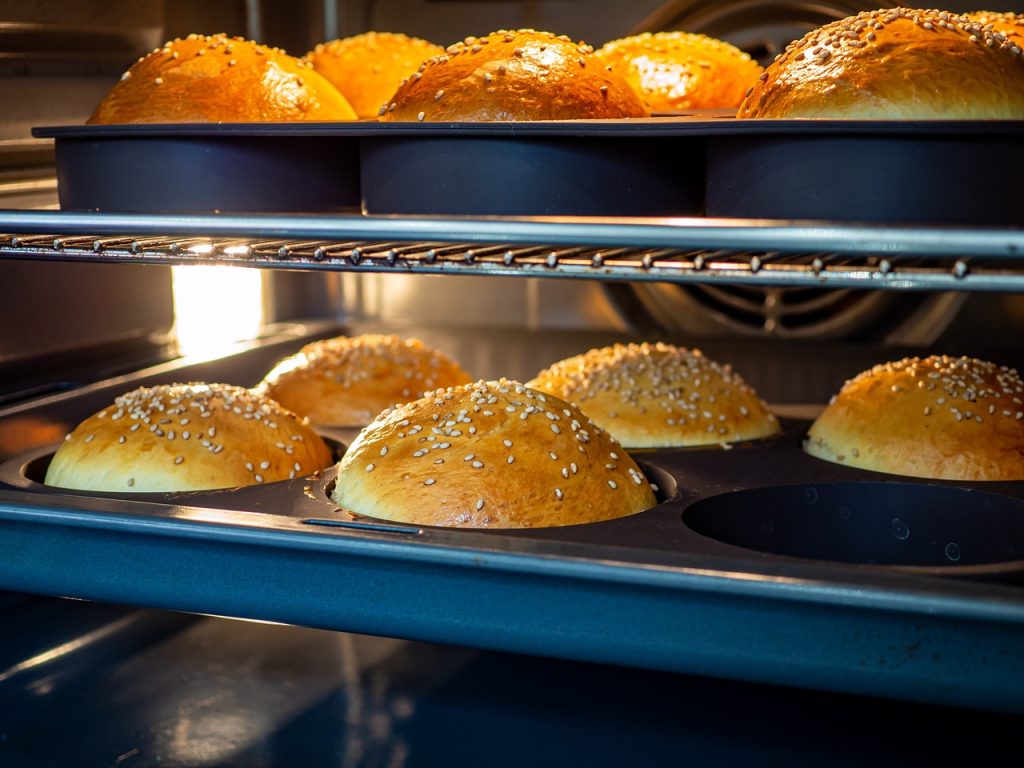
- Versatile Delicacy: While Brioche is often enjoyed as a standalone treat, it’s also a versatile bread used in both sweet and savoury applications. It can be transformed into decadent French toast, elegant pastries, or even burger buns for a gourmet twist.
Storage Information: Preserving Freshness
To maintain the freshness of Brioche, store it in an airtight container or wrap it tightly in plastic wrap. Room temperature is suitable for short-term storage, but for longer shelf life, refrigeration or freezing is recommended. Allow it to come to room temperature or gently reheat in the oven before serving.
Cooking Tips: Mastering the Brioche Artistry
- Tenderizing Techniques: Achieve a soft, tender crumb by ensuring that the butter is at room temperature when incorporating it into the dough. This allows for even distribution and a velvety texture.
- Egg Wash Elegance: Brushing Brioche with an egg wash before baking imparts a glossy finish to the crust, adding to its visual appeal. It also promotes a beautifully golden colour.
- Sweet or Savory Swirls: Experiment with Brioche by creating sweet swirls with cinnamon sugar, or savoury twists with herbs and cheese. The dough’s versatility welcomes creative adaptations.
Cultural Significance: Brioche in French Tradition
Brioche holds a special place in French culinary traditions, symbolizing indulgence, celebration, and the art of slow, meticulous baking. It’s a staple in holiday celebrations, Sunday brunches, and a quintessential component of French pâtisserie. The ritual of breaking bread takes on an elevated form with Brioche, embodying the warmth and richness of French hospitality.
As Brioche continues to enchant both home bakers and professional chefs alike, it remains a testament to the enduring allure of time-honoured baking techniques and the artistry of creating something truly special from the simplest of ingredients.