Ciabatta: The Rustic Italian Loaf That Captivates Palates
In the mosaic of Italian bread, one artisan creation stands out for its rustic charm and distinctive flavour – Ciabatta. Originating from the picturesque land of Italy, Ciabatta has earned its place as a beloved bread, celebrated for its airy interior, chewy crust, and versatility in the culinary realm. This article explores the rich history, diverse varieties, intriguing facts, optimal storage techniques, and culinary nuances that make Ciabatta a staple in kitchens and a symbol of Italian baking expertise.
History
Ciabatta, which translates to “slipper” in Italian, made its debut in the 1980s. Born out of a desire to replicate the texture of French baguettes, bakers in the Veneto region created this distinctive loaf characterized by its elongated, flattened shape. The recipe’s simplicity and the resulting delightful texture quickly catapulted Ciabatta to international acclaim.
Population
Ciabatta has found a home in the hearts of bread enthusiasts worldwide, its popularity transcending cultural boundaries. Whether enjoyed in the bustling streets of Rome or savoured in artisan bakeries across the globe, Ciabatta’s widespread appeal reflects its universal charm.
Varieties
While the traditional Ciabatta is a masterful blend of wheat flour, water, yeast, and salt, modern variations have emerged to cater to diverse tastes. Whole wheat Ciabatta, incorporating whole grain flour, offers a nuttier profile, while herb-infused versions elevate the aromatic experience. Some bakers experiment with fillings like olives or sun-dried tomatoes, adding a burst of flavour to the classic recipe.
Interesting Facts
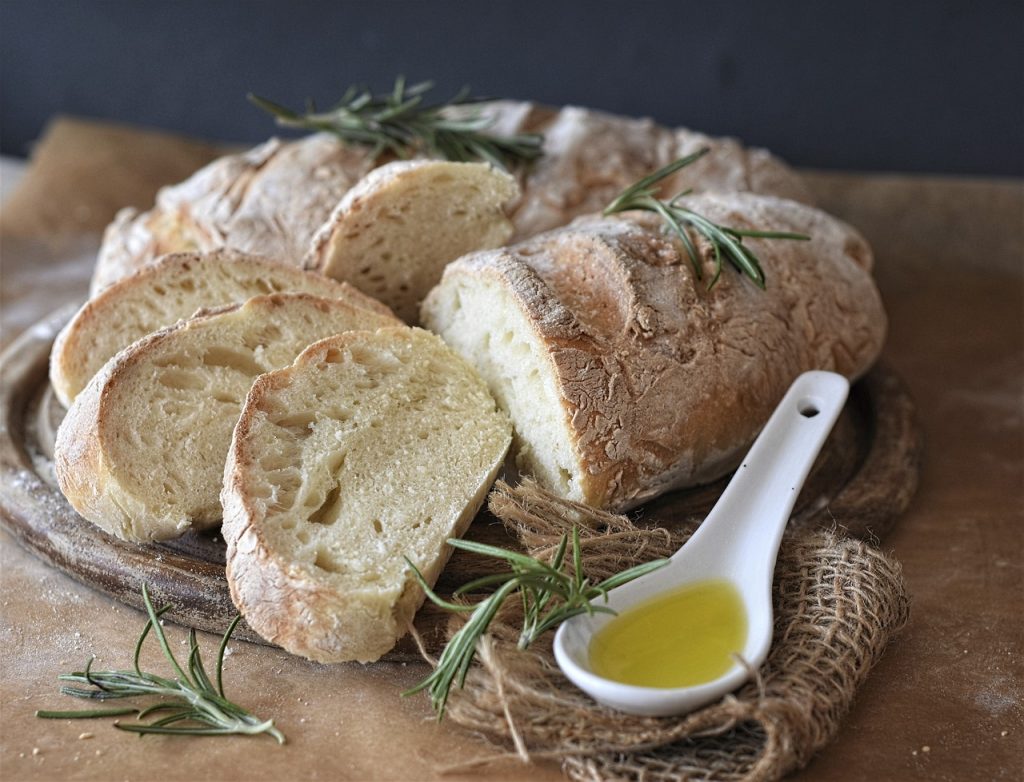
Ciabatta’s unique shape, resembling a slipper, is not just a whimsical choice; it serves a purpose. The flat design maximizes the crust-to-crumb ratio, resulting in a delightfully crispy exterior and a chewy interior. This distinctive texture is a hallmark of Ciabatta’s appeal.
Storage Information
Preserving the freshness of Ciabatta involves strategic storage. To maintain its crustiness, store the loaf unwrapped or in a paper bag. Avoid plastic, as it can trap moisture and compromise the texture. For prolonged freshness, freeze Ciabatta slices in a sealed bag, thawing individual portions as needed.
Cooking Tips
Ciabatta’s versatility extends beyond being a humble companion to soups and salads. Its open crumb structure makes it ideal for sandwiches, paninis, or bruschettas. Toasting Ciabatta brings out its inherent nuttiness, enhancing its flavour and providing a perfect canvas for various toppings.
In the realm of bread, Ciabatta stands as a testament to the artistry of Italian baking. Its humble origins, versatile adaptations, and universal appeal have solidified its place as a cherished loaf worldwide. As you embark on your culinary journey, let the aroma of freshly baked Ciabatta transport you to the sun-kissed fields of Italy, where the tradition of artisanal breadmaking continues to captivate palates and hearts.