Exploring the Sweet Elegance of Coconut Sugar: A Comprehensive Guide
In the world of natural sweeteners, coconut sugar has emerged as a versatile and flavourful alternative, captivating the taste buds of health-conscious individuals and culinary enthusiasts alike. Derived from the sap of coconut palm trees, this sweetener not only adds a delightful touch to various dishes but also comes with a fascinating history, diverse varieties, and an array of interesting facts. This comprehensive guide will navigate through the origins, types, and culinary nuances of coconut sugar, offering insights into its cultural significance, storage tips, and optimal use in the kitchen.
History
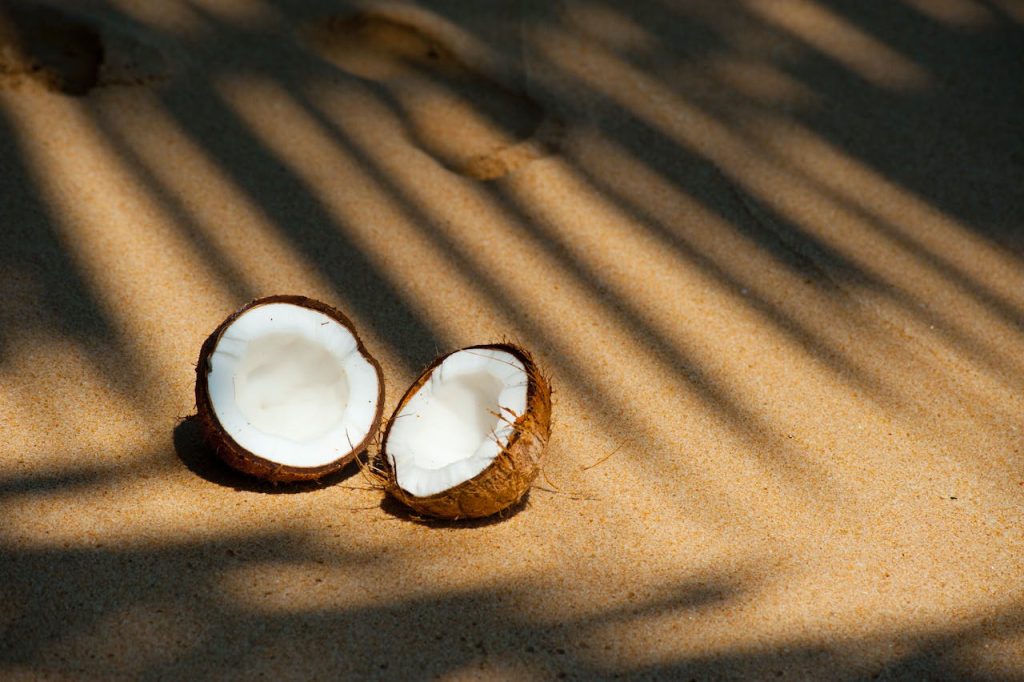
Coconut sugar, often hailed as a “healthier” alternative to traditional sweeteners, has deep roots in Southeast Asian and South Asian culinary traditions. Historically, it has been a staple in countries like Indonesia, the Philippines, and Thailand, where coconut palms thrive. The extraction of coconut sap, the precursor to coconut sugar, involves a meticulous process deeply embedded in local cultures. Traditionally, farmers climb the coconut trees to collect the sap from flower buds, a practice that has been passed down through generations.
Population and Varieties
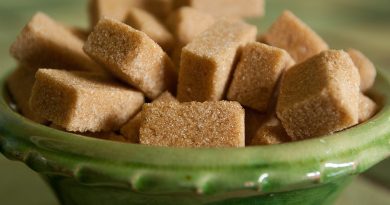
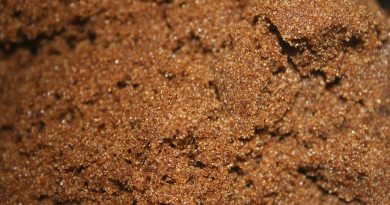
The increasing global demand for natural sweeteners has propelled coconut sugar beyond its traditional borders. Today, it enjoys popularity in various regions, embraced for its distinct taste and purported health benefits. The primary varieties include light and dark coconut sugar, each possessing unique flavour profiles. The light version, often favoured for its mild caramel notes, undergoes minimal processing, while the dark variant, with richer, more intense flavours, results from additional processing and caramelization.
Interesting Facts
Beyond its sweetening prowess, coconut sugar offers a host of interesting facts. Unlike refined sugars, it boasts a lower glycaemic index, making it a potential choice for those seeking to manage blood sugar levels. Additionally, coconut sugar contains essential nutrients like iron, zinc, and antioxidants, providing a nutritional edge over its processed counterparts. This unrefined sweetener also contributes to sustainable agriculture, as coconut palms thrive in diverse ecosystems and require minimal water.
Storage Information
Proper storage is key to preserving the quality of coconut sugar. To prevent clumping and maintain its granulated texture, store it in an airtight container in a cool, dry place. Avoid exposure to direct sunlight, as this can compromise the flavour and consistency of the sugar. When stored correctly, coconut sugar can have a prolonged shelf life, allowing for its versatile use in the kitchen.
Cooking Tips
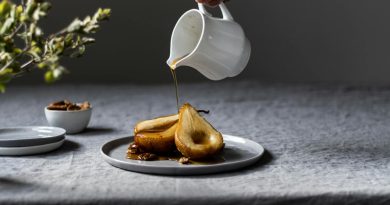
Coconut sugar’s versatility extends to its application in a myriad of dishes. It can be seamlessly substituted for traditional sugars in recipes, imparting a hint of caramel flavour. From baked goods to savoury dishes and beverages, coconut sugar complements a wide array of culinary creations. Experimenting with it in sauces, marinades, and desserts allows chefs to harness its unique taste while reaping potential health benefits.
In conclusion, the rise of coconut sugar represents a harmonious blend of cultural heritage, culinary innovation, and a growing preference for healthier alternatives. Its journey from Southeast Asian traditions to global prominence showcases the enduring appeal of this natural sweetener. Whether used in traditional dishes or contemporary recipes, coconut sugar stands as a testament to the sweet elegance hidden within the bountiful palms of the tropics.