
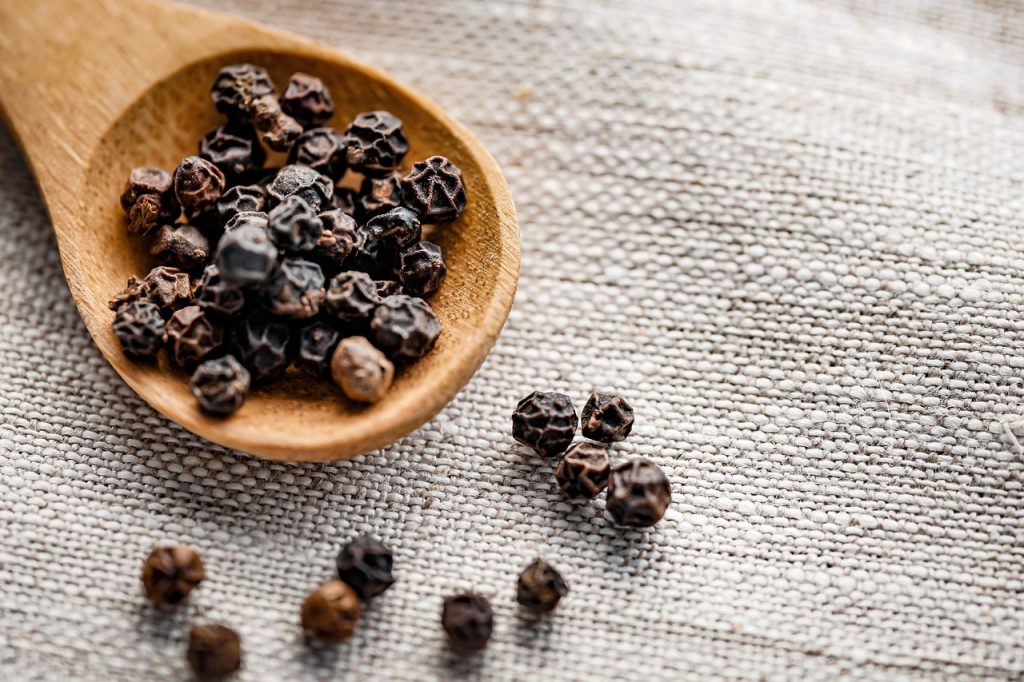
The Fiery Elegance of Black Pepper: A Timeless Spice with a Flavourful Past
In the world of culinary delights, few spices command as much respect and admiration as black pepper. It’s warm, pungent flavour and distinctive aroma have made it an essential ingredient in kitchens across the globe. Beyond its culinary prowess, black pepper has a rich history and an intriguing journey that has spanned centuries. Join us as we explore the origins, features, types, and culinary uses of this versatile and cherished spice.
A Brief History and Origin of Black Pepper
Black pepper, scientifically known as Piper nigrum, has an ancient and illustrious history. Its origins can be traced back to the lush forests of the Western Ghats in India, where it was first cultivated over 4,000 years ago. Recognized as the “King of Spices,” black pepper quickly became a precious commodity, treasured for its exotic flavour and traded across ancient trade routes.
Features and Types of Black Pepper
The allure of black pepper lies in its unique features and various types, each offering a distinct taste and aroma:
Black Peppercorns: The most common form of black pepper, these dried fruits of the Piper nigrum plant are renowned for their sharp and spicy flavour. They are harvested when the fruits are still green, and then dried in the sun, which turns the outer skin dark, giving them their characteristic black colour.
White Peppercorns: These peppercorns undergo a different process where the outer skin is removed before drying, revealing a pale, cream-colored inner seed. White peppercorns have a milder taste compared to black peppercorns.
Green Peppercorns: Harvested before maturity, green peppercorns are preserved through freezing, brining, or drying. They possess a fresher and less pungent flavour than their black counterparts.
Red Peppercorns: These are fully ripened peppercorns left on the vine for a more extended period. They have a fruity, slightly sweet taste, with a subtle spiciness.
Whereabouts of Black Pepper Cultivation
While black pepper’s journey began in India, it soon captivated the world, and its cultivation spread to other regions with suitable climates. Today, black pepper is grown predominantly in tropical regions, including Indonesia, Vietnam, Brazil, and Malaysia. Each country’s unique soil and climate impart distinct characteristics to the pepper, making it a fascinating exploration for discerning palates.
Culinary Uses and Beyond
In the culinary realm, black pepper reigns supreme. It’s warm and biting flavour complements a wide range of dishes, from savoury to sweet. Used as a seasoning or a finishing touch, black pepper elevates the taste of meats, vegetables, soups, sauces, and stews. It pairs perfectly with a myriad of cuisines, adding depth and complexity to Indian curries, Italian pastas, and French sauces alike.
Beyond the kitchen, black pepper has also found its way into traditional medicine, valued for its potential health benefits. Rich in antioxidants and essential oils, it is believed to aid digestion, improve respiratory health, and boost metabolism.
Black pepper’s remarkable journey from ancient India to becoming a global culinary staple is a testament to its timeless allure. Its versatility, rich history, and distinctive types make it an irreplaceable ingredient in every pantry. From adding a fiery kick to savoury dishes to providing depth to sweet treats, black pepper continues to captivate the senses and delight taste buds worldwide, making it an enduring symbol of flavour and refinement in the world of gastronomy.

Pingback: An Exploration of Pepper Varieties: From Black to Sichuan – FoodLullabies