Lithuanian Traditional Cuisine: A Delectable Journey into Authentic Flavors and Rich Culinary Heritage
Lithuanian cuisine is a treasure trove of hearty and flavoursome dishes that reflect the country’s vibrant history and cultural heritage. Nestled in the Baltic region of Northern Europe, Lithuania boasts a culinary tradition that celebrates locally sourced ingredients, simple yet bold flavours, and a deep connection to nature. Join me on a comprehensive exploration of Lithuanian traditional cuisine, where I’ll delve into its history, iconic dishes, and the unique culinary experiences it offers.
Historical Roots
Lithuanian cuisine has been shaped by centuries of influences from neighbouring countries and foreign powers. It draws inspiration from Baltic, Slavic, and Scandinavian culinary traditions, while also incorporating elements from German, Polish, and Jewish cuisines. This amalgamation of cultural influences has resulted in a distinctive culinary identity that sets Lithuanian cuisine apart.

Key Ingredients and Flavors
Lithuanian cuisine showcases a wide array of ingredients that reflect the country’s agrarian heritage and diverse natural resources. Potatoes, grains such as rye and barley, root vegetables, pork, dairy products, mushrooms, and wild berries are staples in traditional Lithuanian dishes. These ingredients are often transformed into hearty, comforting meals that provide sustenance during the long, cold winters.
Iconic Lithuanian Dishes:
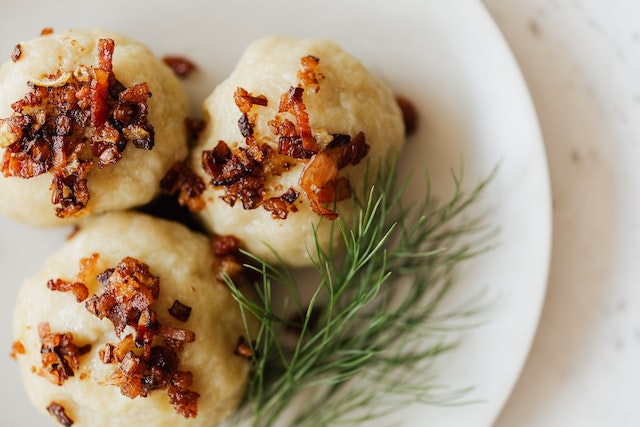
1. Cepelinai (Zeppelins): These potato dumplings stuffed with a savoury filling, typically made from minced meat or curd cheese, are one of the most beloved Lithuanian dishes. They are usually served with a dollop of sour cream and a generous drizzle of bacon fat for added richness.
2. Kugelis (Potato Pudding): This hearty dish is made from grated potatoes, eggs, onions, and sometimes bacon. It is baked until golden and crispy on the outside, while remaining soft and creamy on the inside. Kugelis is often served with sour cream or a side of pickles.
3. Šaltibarščiai (Cold Beet Soup): A vibrant and refreshing summer staple, this cold soup is made with beets, buttermilk, sour cream, cucumbers, and dill. It is served chilled and garnished with hard-boiled eggs for an extra touch of richness.
4. Kibinai: Hailing from the Lithuanian region of Trakai, these crescent-shaped pastries are filled with various savoury fillings, such as minced meat, vegetables, or cheese. Kibinai are perfect for a quick snack or a light meal on the go.
5. Skilandis: This traditional Lithuanian sausage is made from minced pork, garlic, and spices. It is air-dried and smoked, resulting in a flavourful and slightly tangy sausage that can be enjoyed as an appetizer or a main course.
Culinary Traditions and Customs
Lithuanian cuisine is deeply rooted in cultural traditions and customs. Special occasions, such as weddings, holidays, and festivals, often showcase an array of traditional dishes. These gatherings celebrate the communal spirit of sharing food and creating lasting memories around the dining table.
Lithuanian Cuisine Today
While traditional Lithuanian cuisine holds a special place in the hearts of Lithuanians, modern interpretations and fusion dishes are also gaining popularity. Contemporary chefs are blending traditional flavours with innovative techniques, presenting Lithuanian cuisine in a new light. This evolution allows for a dynamic culinary scene that appeals to both locals and international visitors.
Exploring Lithuanian Cuisine
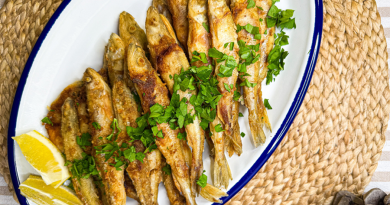
To truly experience Lithuanian cuisine, venture beyond the capital city of Vilnius and explore the country’s smaller towns and rural areas. Local markets, farm-to-table restaurants, and traditional eateries known as “skanėstų” offer an authentic taste of Lithuanian culinary heritage. Don’t miss the chance to sample regional specialties, such as smoked fish from the Curonian Spit or honey from the beekeepers of Aukštaitija.
In conclusion, Lithuanian traditional cuisine is a treasure trove of flavours, rooted in a rich cultural heritage. From hearty potato-based dishes to vibrant beet soups and savoury pastries, Lithuanian cuisine offers a diverse array of flavours and culinary experiences. So, whether you’re a food enthusiast seeking new flavours or a curious traveller immersing yourself in local traditions, exploring Lithuanian cuisine is sure to be a delightful and memorable journey.