Farfalle Pasta: A Delicate Dance of Flavors and Shapes
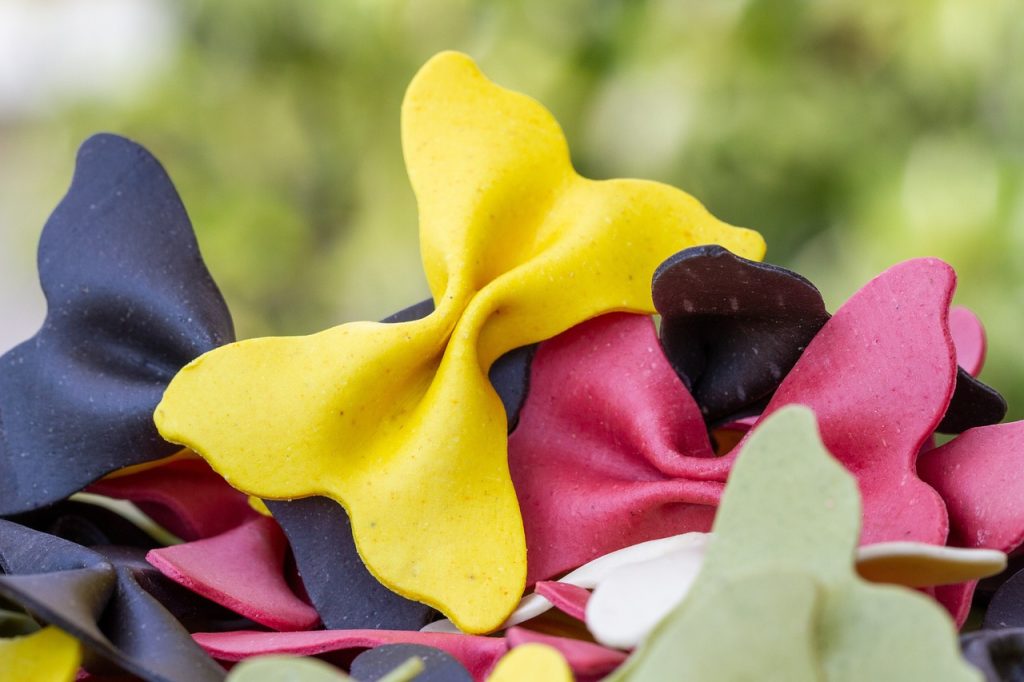
Farfalle pasta, with its distinctive bow-tie shape and versatile nature, has captivated pasta lovers around the world. Originating from Italy, this whimsical pasta variety adds charm and elegance to a wide range of dishes. In this comprehensive article, we will explore the history, population, fun facts, culinary uses, and tips for cooking and pairing farfalle pasta to elevate your culinary experiences.
History
Farfalle, meaning “butterflies” in Italian, has been a beloved pasta shape for centuries. Its origins can be traced back to the Lombardy and Emilia-Romagna regions of Italy, where it was traditionally made by folding and pinching small squares of pasta dough. The distinct bow-tie shape has since become an iconic symbol of Italian pasta craftsmanship.
Population
Farfalle pasta is widely consumed and enjoyed by pasta enthusiasts across the globe. Its unique shape and versatility have made it a popular choice in both home kitchens and professional restaurants worldwide.
Fun Facts:
– Farfalle pasta is also known as “bow tie” or “butterfly” pasta due to its distinctive shape resembling these objects.
– The texture and delicate folds of farfalle pasta make it an excellent choice for capturing and holding onto sauces, ensuring a burst of flavour in every bite.
Culinary Uses
Farfalle pasta’s shape and texture make it suitable for a variety of culinary applications. Its delicate folds and firm texture hold up well in both simple and complex sauces. Farfalle pairs beautifully with creamy sauces, tomato-based sauces, pesto, and even light olive oil dressings. It also works well in pasta salads, casseroles, and baked dishes, adding visual appeal and texture.
Culinary Tips:
– When cooking farfalle pasta, follow the instructions on the package for the recommended cooking time to achieve the desired texture, usually al dente.
– To prevent sticking, stir the pasta occasionally during cooking and add a tablespoon of olive oil to the boiling water.
Pairings:
Farfalle pasta pairs well with a wide range of ingredients. It complements vegetables like peas, asparagus, and sun-dried tomatoes. It also pairs beautifully with proteins such as grilled chicken, shrimp, or sautéed mushrooms. Fresh herbs, Parmesan cheese, and a drizzle of extra virgin olive oil can enhance the flavours even further.
Storage:
– Store farfalle pasta in a cool, dry place, away from direct sunlight. Ensure it is sealed tightly to maintain its freshness and prevent moisture absorption.
– Properly stored, farfalle pasta can last for up to one year.
Farfalle pasta, with its charming bow-tie shape and versatility, adds a touch of elegance to any dish. Its rich history, global popularity, and fun facts reflect its enduring appeal in the culinary world. Whether dressed in a creamy sauce, tossed in a vibrant salad, or baked to perfection, farfalle pasta showcases the artistry of Italian pasta-making and invites creativity in the kitchen.
As you explore the world of farfalle pasta, experiment with different sauces, ingredients, and flavours to create unique and memorable dishes. Let the delicate folds of this pasta variety capture and enhance the flavours of your favourite recipes. Whether you’re a pasta aficionado or a culinary enthusiast, farfalle pasta promises a delightful and satisfying dining experience. Buon appetito!