Yellow Onions: The Golden Key to Savory Delights
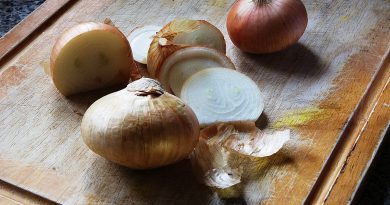
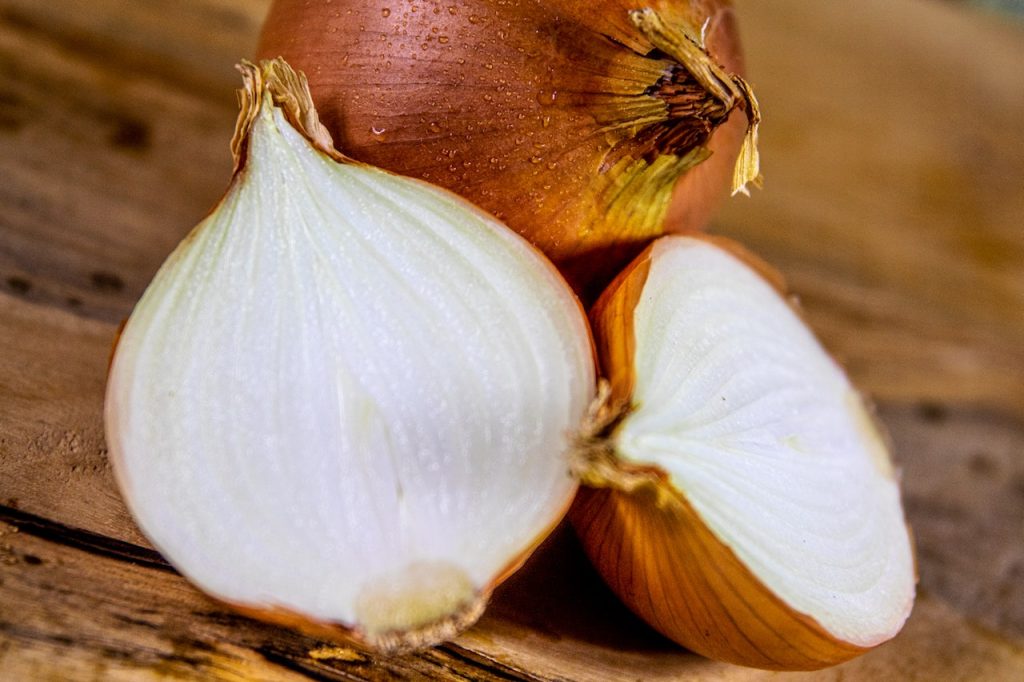
Yellow onions, with their distinct flavour and culinary versatility, have long been a staple in kitchens around the world. Known for their pungent aroma and vibrant yellow hue, these onions bring depth and complexity to a wide range of dishes. In this comprehensive article, we will explore the history, population, fun facts, culinary uses, and tips for selecting and cooking with yellow onions to enhance your culinary repertoire.
History
Yellow onions have a rich history that can be traced back thousands of years. They are believed to have originated in Central Asia and were cultivated in ancient Egypt, where they were highly regarded for their culinary and medicinal properties. From there, they spread across the globe, becoming a fundamental ingredient in various cuisines.
Population
Yellow onions are widely grown and consumed in many parts of the world. They are versatile and adaptable, making them suitable for cultivation in diverse climates and regions.
Fun Facts:
– Yellow onions belong to the Allium family, which includes other members such as garlic, shallots, and leeks.
– When cut, yellow onions release a compound called syn-propanethial-S-oxide, which causes teary eyes. To minimize this effect, refrigerate the onion for about 30 minutes before cutting or chop it under running water.
Culinary Uses
Yellow onions are incredibly versatile and can be used in various culinary applications. They serve as a flavour base for countless dishes, including soups, stews, sauces, and sautés. They can be caramelized to bring out their natural sweetness, added to stir-fries for a burst of flavour, or used raw in salads and salsas for a crisp and tangy bite.
Culinary Tips:
– When selecting yellow onions, look for ones that are firm, with dry and papery skins. Avoid onions that show signs of sprouting or have soft spots.
– To cut onions with ease, slice off the stem end and the root end, then make vertical cuts and finally slice horizontally. This technique allows for consistent and even onion pieces.
Pairings
Yellow onions complement a wide range of ingredients and flavours. They pair well with meats, poultry, seafood, and vegetables. They also work harmoniously with herbs, spices, and other aromatic ingredients, adding depth and complexity to dishes.
Storage:
– Yellow onions should be stored in a cool, dry, and well-ventilated place. Avoid storing them near potatoes, as the gases emitted by onions can cause potatoes to spoil more quickly.
– Whole onions can last for several weeks to a few months, while chopped onions should be refrigerated and used within a few days.
Yellow onions, with their distinct flavour and versatility, have earned a permanent place in kitchens worldwide. Their rich culinary history, population, and fun facts highlight their importance as a fundamental ingredient in countless dishes. Whether used as a flavour base, caramelized for sweetness, or added raw for a crisp bite, yellow onions bring depth and complexity to a wide range of culinary creations.
As you incorporate yellow onions into your cooking, remember to select firm and dry onions and use proper cutting techniques to achieve consistent pieces. Embrace the pungent aroma and vibrant flavour of yellow onions as you explore the countless possibilities they offer in enhancing the taste and depth of your favourite dishes. Happy cooking!