
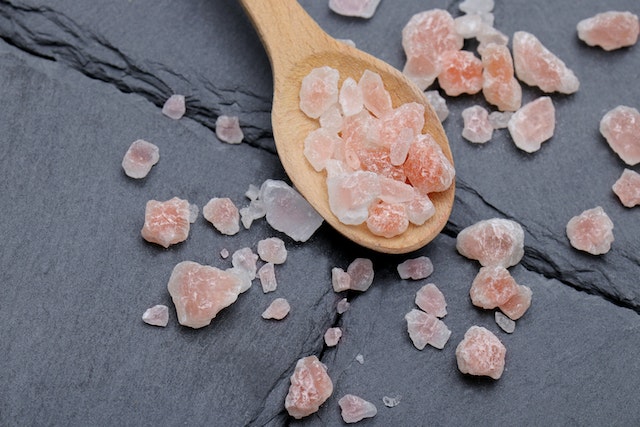
Himalayan Salt: The Pink Jewel of Culinary Delights
In recent years, Himalayan salt has gained significant popularity in the culinary world for its unique flavour profile and stunning pink hue. But did you know that this remarkable salt holds a fascinating history and originates from one of the most breathtaking regions on Earth? Join us as we embark on a journey to explore the wonders of Himalayan salt, from its ancient origins to its diverse culinary uses.
History and Origin
Himalayan salt, also known as pink salt or rock salt, is believed to have formed millions of years ago in the pristine mountains of the Himalayas. These majestic peaks, stretching across Nepal, Bhutan, India, and Pakistan, are not only a sight to behold but also home to one of nature’s most precious treasures.
According to geological studies, the Himalayan salt deposits were once part of ancient seas that evaporated over time, leaving behind vast mineral-rich salt beds. The salt crystals were gradually compacted under immense pressure, resulting in the formation of these pristine salt reserves, untouched by modern pollution.
Features and Types
What sets Himalayan salt apart from other salts is its distinctive rosy hue. The pink colour is attributed to the presence of trace minerals, such as iron, magnesium, and potassium, which infuse the salt crystals with their unique shades. This natural colour variation adds an aesthetic appeal to any dish and makes it a favourite among chefs and food enthusiasts alike.
There are different types of Himalayan salt available, each with its own characteristics and culinary uses. The most common forms include:
1. Himalayan Pink Salt: This is the most widely used variety, known for its delicate flavour and versatile applications. It can be used both in cooking and as a finishing salt to enhance the taste and presentation of a wide range of dishes.
2. Himalayan Black Salt: Also known as Kala Namak, this salt has a distinct sulphurous aroma and flavour. It is commonly used in Indian cuisine, especially in chaats, chutneys, and fruit salads, to add a unique tangy and umami taste.
3. Himalayan Red Salt: This salt gets its red hue from the rich iron content. It is often used as a decorative salt or as a finishing touch to elevate the visual appeal of dishes.
Whereabouts and Culinary Uses
Himalayan salt can be found in various forms, such as coarse crystals, fine granules, or even in salt blocks and lamps. Its versatility makes it a valuable ingredient in both savoury and sweet recipes. Here are some popular culinary uses of Himalayan salt:
1. Seasoning and Cooking: Use Himalayan salt to season meats, vegetables, and soups during cooking. Its mild flavour enhances the taste of ingredients without overpowering them.
2. Finishing Salt: Sprinkle a pinch of Himalayan salt over salads, grilled vegetables, or roasted meats just before serving to add a subtle crunch and a burst of flavour.
3. Salt Blocks: Himalayan salt blocks can be used as cooking surfaces or serving platters. Heat them on a stovetop or grill to sear meats or chill them to present cold appetizers like sushi or ceviche.
4. Salt Lamps: Apart from culinary uses, Himalayan salt is also used to create beautiful salt lamps that emit a soft, warm glow and are believed to have various health benefits, including air purification and relaxation.
Himalayan salt, with its rich history, unique features, and diverse culinary uses, has undoubtedly earned its place as a beloved ingredient in kitchens worldwide. From its ancient origins in the majestic Himalayas to its delicate flavor and stunning pink hue, this salt brings a touch of elegance and depth to every dish it graces. So, whether you’re a seasoned chef or an adventurous home cook, let Himalayan salt be your trusted companion in elevating your culinary creations to new heights.
Pingback: Types of salt – FoodLullabies
Pingback: Sea Salt: A Journey through Time and Flavour – FoodLullabies