
Jasmine Rice: From Fields to Tables – A Fascinating Look into Origins, Features, and Culinary Significance
Jasmine rice, with its delicate aroma, fluffy texture, and subtle flavour, holds a special place in the hearts and kitchens of many. As one of the most beloved varieties of rice globally, jasmine rice has a rich history and origin that dates back centuries. In this article, we will explore the captivating story behind jasmine rice, its distinct features, and its versatile uses in culinary traditions.
Historical Roots and Origin
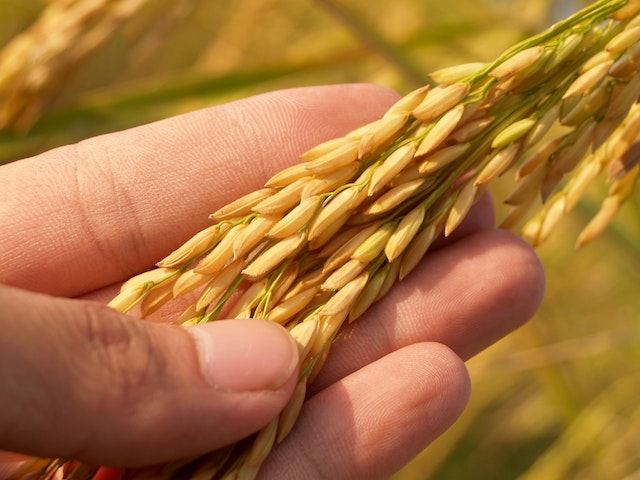
Jasmine rice, known scientifically as Oryza sativa, is believed to have originated in Thailand, specifically in the Chao Phraya River basin. Its cultivation can be traced back over 2,000 years, making it a staple in Southeast Asian cuisine. The name “jasmine rice” comes from its floral aroma, reminiscent of the fragrant jasmine flower, which adds an enchanting quality to the rice.
Distinctive Features:
1. Aromatic Fragrance: One of the most remarkable features of jasmine rice is its enticing aroma. When cooked, the steam carries a subtle floral fragrance that enhances the overall dining experience, making it a delightful addition to any meal.
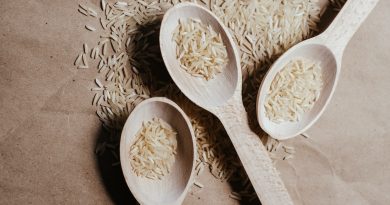
2. Long, Slender Grains: Jasmine rice is characterized by its long, slender grains that remain separate and fluffy when cooked. This texture makes it ideal for absorbing flavours and sauces while retaining its individual grains, resulting in a light and delicate mouthfeel.
3. Soft and Slightly Sticky Texture: While jasmine rice is known for its fluffy texture, it also possesses a slight stickiness that adds to its appeal. This stickiness makes it easy to pick up with chopsticks and allows the grains to cling together, making it an excellent choice for dishes that require moulding or shaping.
Uses in Culinary Delights:
1. Southeast Asian Cuisine: Jasmine rice is an integral part of Southeast Asian culinary traditions. It serves as the perfect accompaniment to a wide array of dishes, such as curries, stir-fries, and grilled meats. Its fragrance and texture complement the vibrant flavours of the region, creating a harmonious balance in every bite.
2. Rice-Based Dishes: Jasmine rice is the star ingredient in various rice-based dishes, including traditional favourites like Thai pineapple fried rice, Indonesian nasi goreng, and Vietnamese clay pot rice. Its ability to absorb flavours and its aromatic nature make it an excellent canvas for creating flavourful and aromatic rice dishes.
3. Sushi and Asian Fusion Cuisine: With its sticky texture and pleasant fragrance, jasmine rice is also utilized in sushi-making and Asian fusion cuisine. Its ability to hold together when rolled or shaped makes it an ideal choice for sushi rolls and sushi bowls, adding a fragrant touch to these popular dishes.
4. Desserts and Sweet Treats: Jasmine rice can even be used in desserts! In Thai cuisine, sticky rice with mango is a popular dessert that showcases the versatility of jasmine rice. The rice is cooked with coconut milk and sweetened, then served with ripe mango slices for a delightful combination of flavours and textures.
Jasmine rice, with its captivating aroma, fluffy texture, and versatile nature, has earned its place as a beloved staple in Southeast Asian and global cuisines. Its rich history and origin in Thailand, combined with its distinctive features, make it a culinary gem that elevates any dish it accompanies. Whether enjoyed alongside a fragrant curry, in a sushi roll, or even in a sweet dessert, jasmine rice brings a touch of elegance and aromatic delight to every meal. So, embrace the allure of jasmine rice and let its fragrance and texture transport you to the vibrant culinary traditions of Southeast Asia.
Pingback: Rice: A Timeless Grain That Nourishes and Unites – FoodLullabies