Leeks: A Versatile and Nutritious Vegetable
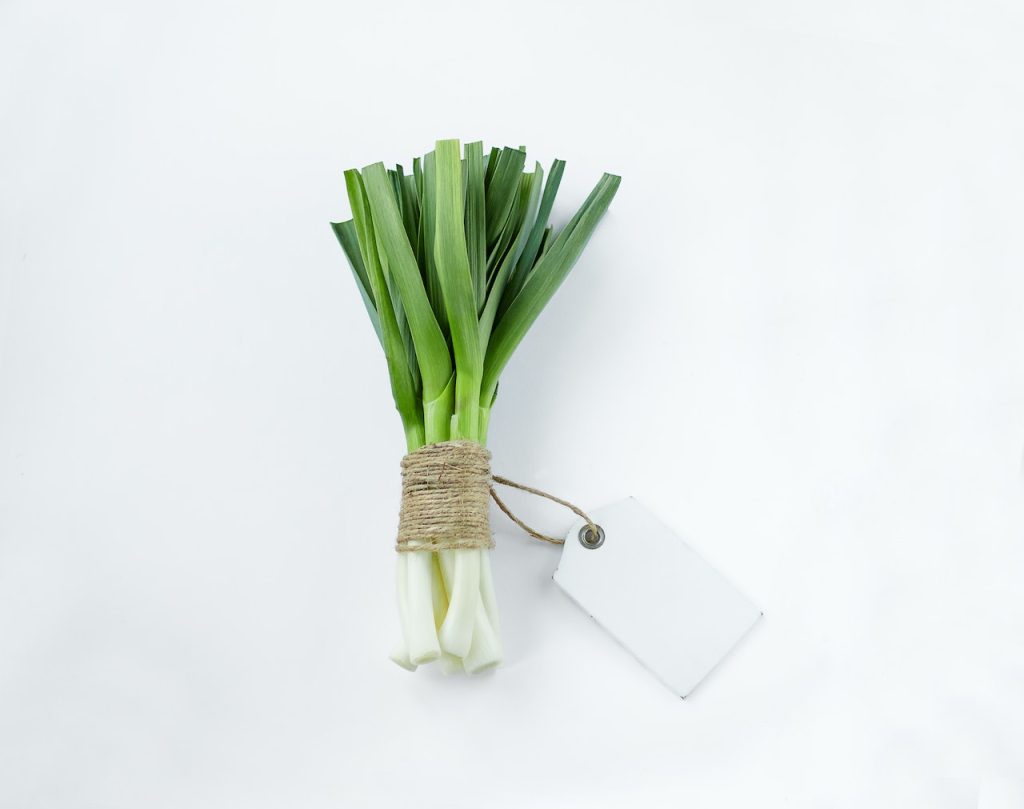
Leeks, known scientifically as Allium ampeloprasum var. porrum, are a member of the onion family and have been cherished for their unique flavour and nutritional benefits for centuries. With a rich history, diverse varieties, and a range of culinary uses, leeks have become a staple in many cuisines worldwide. In this article, we will explore the fascinating history, population, varieties, interesting facts, storage information, cooking tips, and other important information about leeks.
History
Leeks have a long and storied history, dating back to ancient times. Originating in the Mediterranean region, they were highly valued by the ancient Egyptians, Greeks, and Romans for their medicinal properties and culinary versatility. The Roman Emperor Nero is said to have consumed leeks regularly to improve his singing voice. Over time, leeks spread across Europe and became a staple in many traditional dishes.
Population and Production
Today, leeks are cultivated in many countries around the world, with the top producers being China, Turkey, France, and the United States. Their popularity has steadily grown, thanks to their unique flavour and nutritional profile.
Varieties
Leeks come in various shapes, sizes, and colours, offering a diverse range of culinary possibilities. Some popular varieties include the “King Richard,” known for its large, tender stalks, and the “Musselburgh,” which is extremely hardy and can withstand colder climates. Other notable varieties include the “Bulgarian Giant” and the “American Flag.”
Interesting Facts:
– Leeks were considered a symbol of Wales, with the vegetable appearing on the Welsh national emblem.
– The leek is one of the oldest vegetables still cultivated today, with evidence of its consumption dating back over 4,000 years.
– Leeks were believed to have medicinal properties, including the ability to purify the blood and soothe sore throats.
Storage Information
To maximize the shelf life of leeks, it is essential to store them properly. Remove any rubber bands or ties and trim the roots. Store leeks in the refrigerator, wrapped in a damp paper towel and placed in a plastic bag. They can typically be stored for up to two weeks, although fresher leeks are always preferable for optimal flavour.
Cooking Tips
Leeks offer a mild onion-like flavour and a delightful sweetness when cooked. Here are some cooking tips to make the most of this versatile vegetable:
1. Before cooking, thoroughly rinse leeks to remove any dirt or sand trapped between the layers.
2. Slice leeks lengthwise and chop into thin half-moons or dice for even cooking.
3. Leeks can be sautéed, braised, roasted, or used as a flavourful addition to soups, stews, and casseroles.
4. The white and light green parts of the leek are the most tender and commonly used in cooking, while the dark green tops can be used to flavour stocks or discarded.
Nutritional Benefits
Leeks are not only delicious but also packed with essential nutrients. They are an excellent source of dietary fibre, vitamin K, vitamin C, and folate. Additionally, leeks contain antioxidants and compounds that may have anti-inflammatory properties, making them a valuable addition to a healthy diet.
In conclusion, leeks are a versatile and nutritious vegetable with a rich history and a wide array of culinary uses. Whether you enjoy them in soups, stews, or as a flavourful side dish, leeks offer a unique flavour and a range of health benefits. So, next time you’re looking to add some depth to your dishes, consider incorporating leeks and discover the culinary delights they have to offer.